Why native stablecoins matter now
The crypto settlement layer is undergoing a structural shift. For years, the industry relied on wrapped assets—tokens issued on one chain but representing value from another. This approach introduced unnecessary friction, latency, and a complex web of trust assumptions that legacy finance seeks to avoid. Native stablecoins change that equation by being issued and supported directly on the blockchain where they settle.
This distinction is the primary differentiator. When a stablecoin is native to the infrastructure, it removes the bridge risks inherent in cross-chain transfers. As noted in analysis of Sui’s native stablecoins, this direct issuance model reduces trust assumptions, reflecting a maturing DeFi environment that prioritizes security over interoperability hacks. The result is a settlement layer that behaves more like a modern banking rail and less like a makeshift workaround.
For finance professionals, the appeal lies in the reduction of latency. Native infrastructure enables real-time settlement without the overhead of verifying external validators or waiting for bridge confirmations. This aligns with broader efforts to modernize financial infrastructure, where speed and certainty are paramount. By eliminating the middlemen of bridging, native stablecoins offer a cleaner path for institutional adoption, reducing counterparty risk and operational complexity.
The move toward native assets is not just a technical upgrade; it is a strategic necessity for scalable settlement. As the ecosystem matures, the preference will clearly shift toward solutions that minimize trust assumptions and maximize throughput. Understanding this shift is essential for building a robust native stablecoin strategy that can withstand the demands of real-time global commerce.
Choosing the right settlement layer
Native stablecoins operate differently from their wrapped counterparts. A wrapped asset like USDC.e on Ethereum relies on an external bridge and custodial contracts to represent value, introducing latency and additional trust layers. Native stablecoins are issued directly on the blockchain’s ledger. This distinction matters for real-time settlement because it eliminates the bridge risk and allows the stablecoin to settle finality in the same block as the transaction.
When selecting a settlement layer, you are balancing finality speed against ecosystem maturity. The following comparison highlights three leading environments for native issuance.
| Chain | Finality | Native Support | Compliance Infrastructure |
|---|---|---|---|
| Sui | <1s | Built-in (Mysten Labs) | Yes (Move-based) |
| Polkadot | ~6s | Parachain-specific | Yes (Substrate modules) |
| ICP | ~1s | Canister smart contracts | Yes (ICRC-1 standard) |
Sui offers the fastest finality, often under one second, making it ideal for high-frequency trading settlements. Its Move-based architecture allows for precise compliance checks at the protocol level, reducing the need for external oracle verification. Polkadot provides a more modular approach, where each parachain can tailor its stablecoin logic, though finality depends on the specific parachain’s configuration. ICP sits in the middle, leveraging its unique canister smart contract model to enable native issuance with sub-second finality and built-in governance mechanisms.
For developers, the choice also depends on tooling. Sui’s Move language is designed for safety and speed, while Polkadot’s Substrate framework offers flexibility for custom chain development. ICP’s canister model abstracts away infrastructure concerns, allowing developers to focus on application logic. Consider your team’s expertise and the specific settlement requirements of your target users when making this decision.
Designing for compliance and risk
Launching a native stablecoin is less about code and more about trust architecture. Unlike wrapped assets, which rely on third-party custodians and introduce counterparty risk, a native stablecoin sits directly on the ledger. This proximity to the chain elevates the stakes for regulatory alignment. You are no longer just building a product; you are building a financial utility that must withstand scrutiny from day one.
To survive this environment, your strategy must treat compliance as an operational feature, not an afterthought. The following steps outline how to embed KYC/AML checks and liquidity management into the core protocol.

Native stablecoins require real-world identity anchors. Integrate KYC checks directly into the minting and burning contracts. This ensures that only verified entities can create or redeem tokens, reducing the risk of your currency being used for illicit flows. Stripe notes that stablecoins can make global transactions easier, but that same efficiency raises the stakes for AML and fraud prevention [src-serp-3].

Do not wait for final legislation to design your governance. Map your tokenomics against current frameworks like the EU’s MiCA or US state-level money transmitter laws. A compliance-ready strategy anticipates these shifts, allowing you to pivot governance structures without breaking settlement rails [src-serp-8].
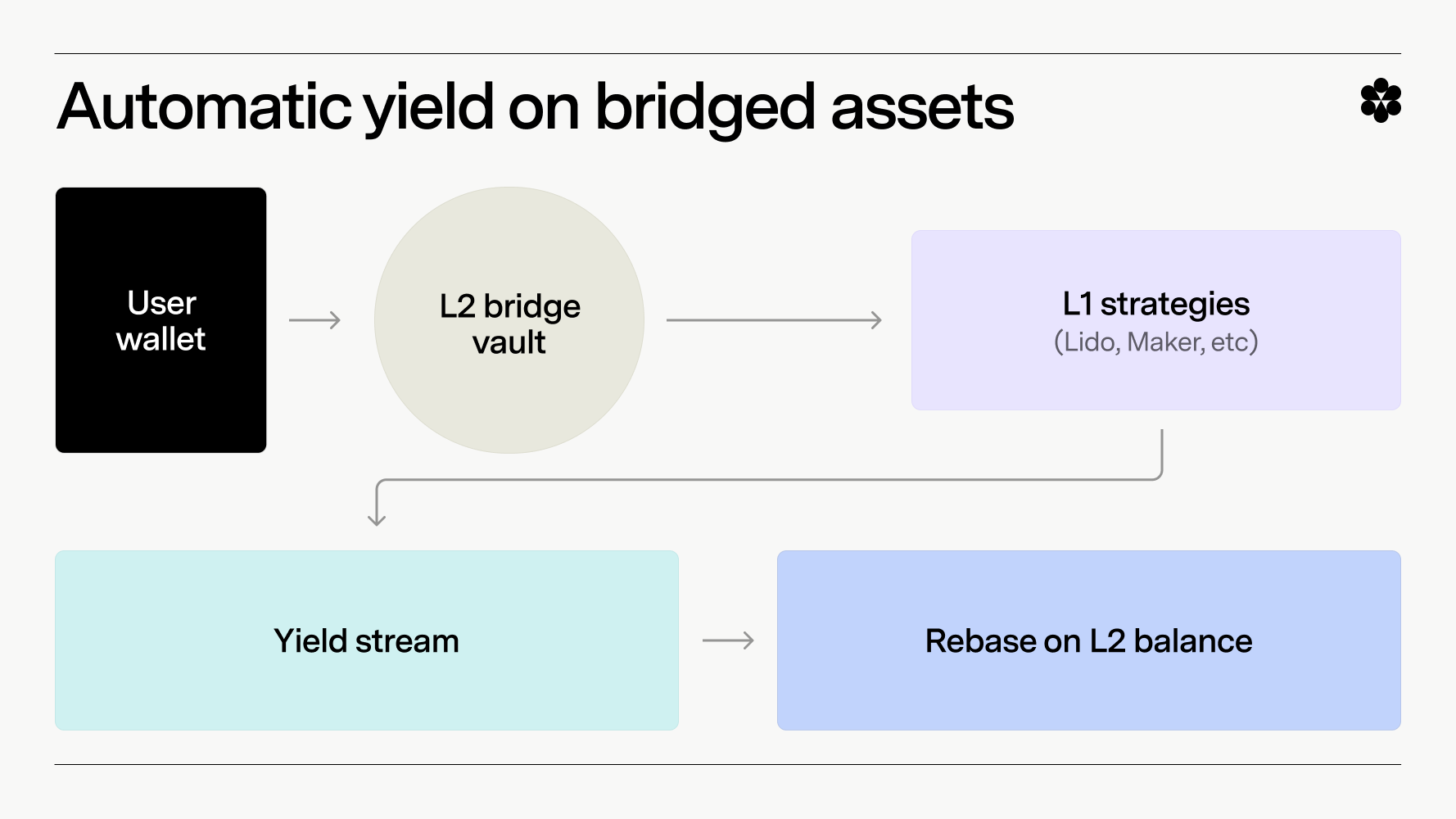
Real-time settlement depends on immediate liquidity. Maintain reserves in highly liquid, auditable assets that can be converted instantly to meet redemption demands. Unlike wrapped assets that may face bridge delays, your native token’s value must be backed by transparent, on-chain-verifiable reserves to maintain trust during market stress.
By treating compliance as a core component of your native stablecoin’s design, you protect the real-time settlement advantage that defines your strategy. This approach minimizes regulatory friction and maximizes the utility of your token for institutional and retail users alike.
Integrating real-time settlement tools
Moving from strategy to execution requires infrastructure that handles the heavy lifting of compliance and user onboarding. When implementing a native stablecoin strategy, the goal is to make the transaction invisible to the end-user while keeping the settlement speed of blockchain. This means integrating tools that can generate wallets on the fly and manage the complex backend logic of fiat-to-crypto rails.
The difference between native and wrapped assets is not just technical; it’s operational. Native stablecoins like USDC on Base or Solana settle directly on-chain without the latency or risk of cross-chain bridges. By choosing native rails, you avoid the friction of wrapping tokens, which often requires users to interact with multiple protocols before they can spend or receive funds. This directness is what makes real-time settlement viable for payroll, vendor payouts, or instant refunds.
To drive adoption, the user experience must be seamless. Research from infrastructure providers like BVNK suggests enabling users to create a wallet at the point of withdrawal. This "invisible onboarding" allows non-crypto natives to receive stablecoin payouts without needing to understand seed phrases or external wallets. The backend handles the custody or non-custodial wallet creation, while the frontend presents a familiar banking-like interface.
The financial context of these transactions matters. As digital dollars move, their value relative to traditional assets remains a key metric for treasury management.
By combining native settlement rails with intuitive onboarding tools, businesses can offer the speed of crypto with the stability of fiat. This approach reduces settlement times from days to seconds, freeing up working capital and reducing the administrative burden of reconciling payments.
Analyzing market performance and trends
The stablecoin market has matured from a speculative experiment into a critical rail for global liquidity. When evaluating performance, the distinction between native and wrapped assets is not just semantic—it dictates efficiency. Native stablecoins operate directly on the underlying blockchain, eliminating the latency and smart contract risks associated with bridging assets across chains. This structural advantage translates directly into real-time settlement, a feature that wrapped tokens simply cannot match.
Market volume data reflects this shift. Institutional players are increasingly prioritizing infrastructure that offers transparency and speed over legacy wrapping mechanisms. As capital flows toward native solutions, we see a corresponding decrease in the friction costs that have historically plagued cross-chain transfers. This trend underscores the importance of choosing native assets for high-frequency settlement needs.
To visualize this stability and volume, consider the performance of major native stablecoins. The chart below illustrates how native assets maintain their peg with minimal deviation, even during periods of broader market volatility. This stability is not accidental; it is engineered through delta-neutral strategies and robust reserve management, as noted by financial analysts at Morgan Stanley.
Adoption trends further validate this technical superiority. Projects like Sui are betting heavily on native stablecoins because they understand that settlement speed is the primary competitive moat. As the market continues to evolve, the gap between native and wrapped performance will likely widen, making the choice of infrastructure a decisive factor in strategic positioning.
Helpful gear
Use these product recommendations as a starting point, then choose the size, material, and price point that fit how you actually use the gear.



As an Amazon Associate, we may earn from qualifying purchases.
No comments yet. Be the first to share your thoughts!