Get native stablecoin infrastructure right
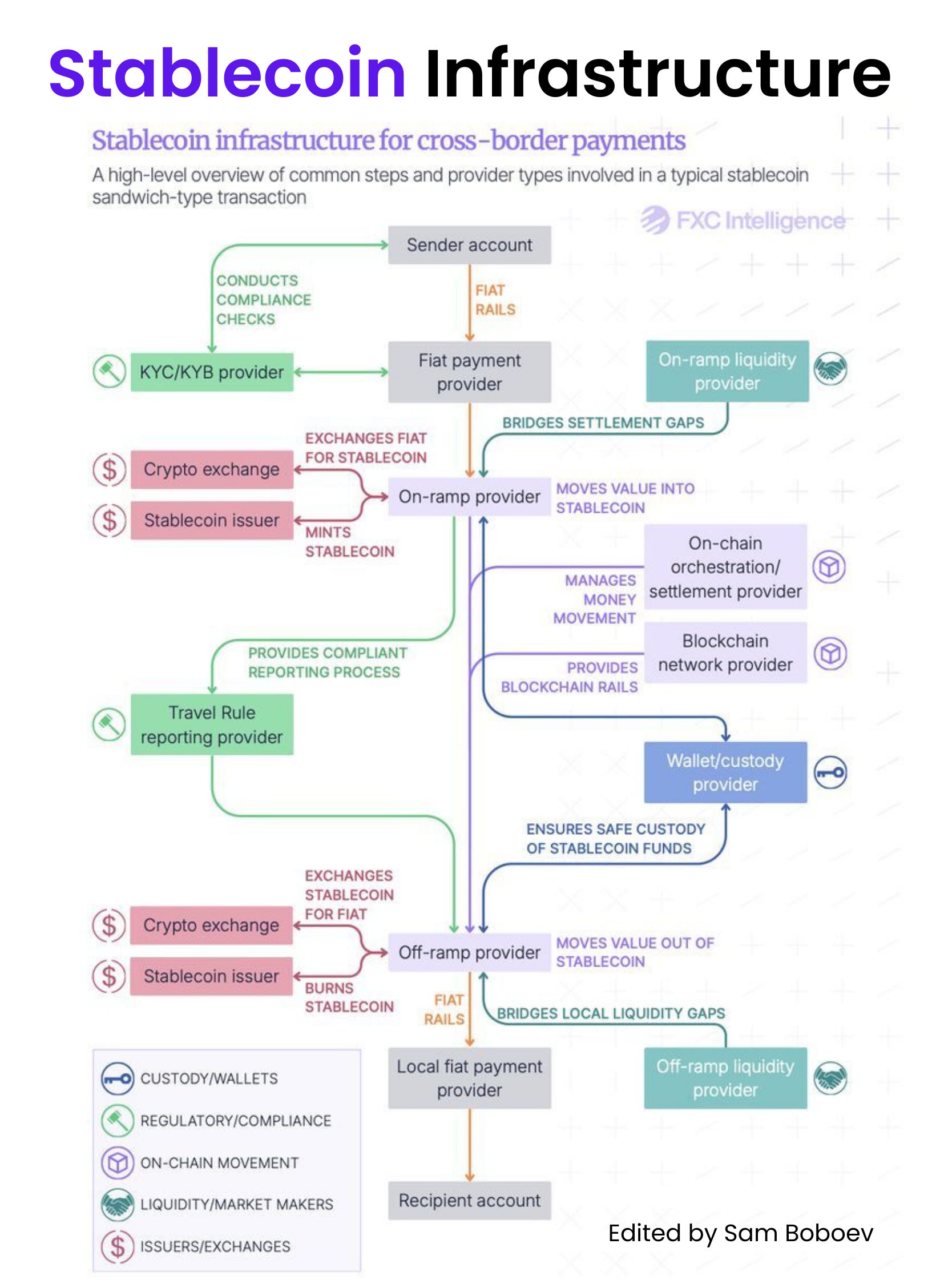
Before you commit to a specific blockchain or wallet provider, you need a clear map of your operational needs. Native stablecoin infrastructure is not a single product; it is a stack of settlement rails, compliance layers, and liquidity channels. Getting the prerequisites right prevents costly re-architecture later.
Start by defining your settlement requirements. Are you moving funds between wallets on the same chain, or bridging across different networks? Cross-chain settlement introduces latency and bridge risk that same-chain transfers avoid. If your use case involves global payouts, prioritize networks with high throughput and low fees, such as Solana or Layer 2 Ethereum solutions. For high-value institutional transfers, stick to EVM-compatible chains with established compliance tooling.
Next, audit your compliance and custody needs. Native infrastructure must support your legal entity’s jurisdiction. Verify that your chosen provider offers KYC/AML screening tools and supports regulatory reporting. If you are handling user funds, decide whether you will use multi-signature wallets, MPC (Multi-Party Computation) custody, or self-custody solutions. Each option has different tradeoffs between security, cost, and control.
Finally, test your integration with a small batch of transactions. Monitor gas fees, confirmation times, and error rates. This proof-of-concept phase reveals hidden complexities in API rate limits or network congestion that simulations might miss. Only after validating these elements should you scale your deployment.
Set up native stablecoin infrastructure for settlement
Building a native stablecoin infrastructure requires connecting your operational systems to settlement rails that support real-time finality. Unlike traditional banking networks that rely on batch processing and intermediary clearing houses, blockchain-based settlement settles transactions on-chain. This shift reduces counterparty risk and removes the latency inherent in legacy payment rails.
To implement this effectively, you must move beyond simple wallet management. You need a structured approach that addresses issuance, custody, and interoperability. The following steps guide you through establishing a robust foundation for stablecoin payments.
Start by choosing a stablecoin issuer that meets your regulatory requirements. Not all stablecoins are created equal. Prioritize assets with transparent reserves and regular attestation reports. For enterprise use, consider providers like Bridge or Rain, which offer infrastructure specifically designed for business payments and global money movement. Ensure the stablecoin you select is supported on the blockchain networks where your users or partners operate.
Secure your stablecoin holdings with a multi-signature or MPC (Multi-Party Computation) custody solution. Standard hot wallets are insufficient for business operations due to security vulnerabilities. Implement role-based access controls to separate duties between transaction initiation, approval, and settlement. This structure prevents unauthorized transfers and ensures that large settlements require multiple authorized signatures, reducing the risk of internal fraud or external compromise.
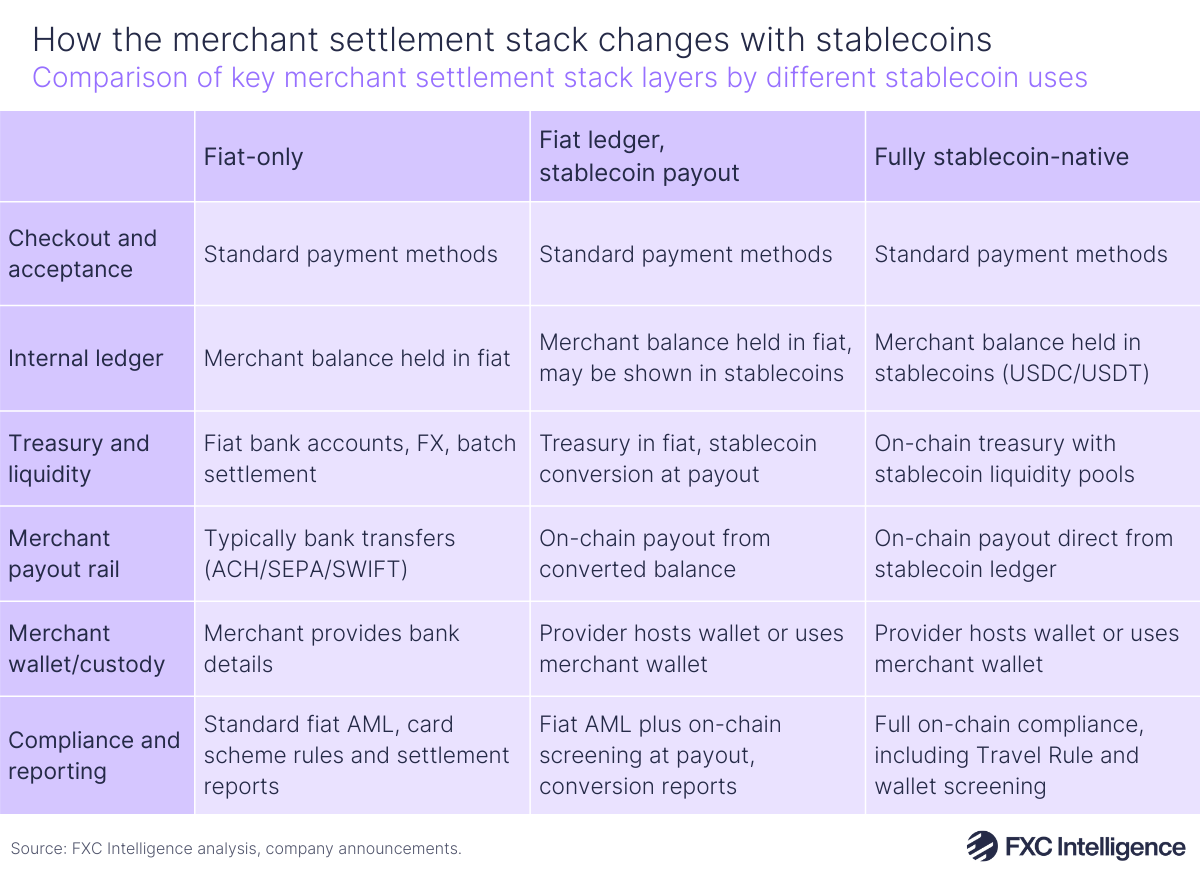
Connect your existing ERP or payment gateway to the stablecoin provider’s API. Most modern infrastructure providers offer RESTful APIs that allow you to initiate transfers, check balances, and retrieve transaction histories programmatically. This integration enables automated reconciliation. When a customer pays in stablecoins, your system should automatically trigger a confirmation and update your ledger in real-time, eliminating the need for manual bank statement matching.

Set up automated pathways to convert stablecoins into fiat currency if your business model requires it. While holding stablecoins can be advantageous for speed, many enterprises still need fiat for payroll and tax obligations. Use licensed crypto-to-fiat ramps or integrated banking partners that offer instant off-ramping. Ensure you understand the fees associated with these conversions and the timing of fund availability to maintain healthy cash flow.
Deploy blockchain analytics software to monitor incoming and outgoing transactions for sanctions violations or illicit activity. Unlike traditional banking, blockchain transactions are public. You must screen every counterparty against OFAC and other regulatory lists. Integrate this screening into your API workflow so that non-compliant transactions are flagged or blocked before they are settled. This step is critical for maintaining your license to operate and protecting your business from regulatory penalties.
-
Verify stablecoin reserve transparency
-
Configure multi-sig custody
-
Test API integration in sandbox
-
Set up fiat off-ramp
-
Enable transaction monitoring
Verify settlement performance
Once your infrastructure is live, you must validate that it performs under load. Test transaction finality times across different blockchain networks. Compare the cost per transaction against traditional wire transfers. Document these metrics to establish a baseline for your operational efficiency.
Common mistakes to avoid
Many teams fail by ignoring gas fee volatility. Always buffer your operational costs for network congestion. Another common error is skipping the compliance screening step, which exposes the business to severe legal risks. Finally, do not assume all stablecoins are pegged 1:1 to the dollar during market stress; diversify your reserve holdings if possible.
Fix common mistakes in native stablecoin infrastructure
Implementing native stablecoin settlement rails requires precision. A single configuration error can lead to failed transactions, frozen funds, or compliance violations. Below are the most frequent pitfalls developers and operators encounter when integrating infrastructure like Bridge or Rain, along with the specific checks needed to avoid them.
Ignoring Chain-Specific Finality Rules
Different blockchains finalize transactions at different speeds. Ethereum’s L1 requires multiple confirmations to be considered irreversible, while Solana finalizes in seconds. Assuming uniform finality across chains causes premature settlement logic errors. Always configure your integration to wait for the specific block finality threshold of the target network.
Overlooking Mint/Burn Authority Restrictions
Native stablecoins often rely on centralized issuers who hold mint and burn privileges. If your infrastructure does not verify the current authority address against the issuer’s official registry, you may attempt transactions with revoked permissions. This results in silent failures or rejected on-chain calls. Implement a registry check before executing any mint or burn operation.
Failing to Handle Decimal Mismatches
Stablecoins vary in decimal precision. Most USD-pegged tokens use 6 or 18 decimals, but some older or niche issuers use different values. Sending a transaction without normalizing the decimal place leads to under- or over-payment by orders of magnitude. Always fetch the token’s decimal count from the contract at runtime and normalize all amounts to the contract’s expected precision.
Neglecting Gas Estimation for High-Volatility Periods
During network congestion, gas prices spike. If your settlement logic uses a static gas limit or price, transactions may fail or become stuck. This is particularly common during market volatility when stablecoin trading volume surges. Implement dynamic gas estimation that accounts for current network conditions and includes a buffer for unexpected complexity.
Native stablecoin infrastructure: what to check next
Before committing to a specific settlement rail or custodial partner, it helps to address the practical tradeoffs that often derail implementation. The choice between non-custodial middleware and managed APIs determines your liability profile and technical debt. Below are the most common objections and how to resolve them.
Helpful gear
Use these product recommendations as a starting point, then choose the size, material, and price point that fit how you actually use the gear.

As an Amazon Associate, we may earn from qualifying purchases.
No comments yet. Be the first to share your thoughts!