Defining a native stablecoin strategy
A native stablecoin is one that meets three strict conditions: it is issued on Bitcoin Layer 1, it uses native BTC as collateral locked in a vault on Bitcoin, and it never requires your Bitcoin to leave the Bitcoin network. There are no bridges. This architecture eliminates the counterparty risk associated with wrapped assets on other chains.
The strategic value lies in settlement efficiency. Stablecoins enable faster and cheaper payments, particularly across borders and for remittances, where traditional systems are often slow and expensive. By keeping collateral on-chain, you preserve the security guarantees of the Bitcoin network while gaining the liquidity benefits of a stable asset.
For stablecoin payouts, consider enabling users to create a wallet at the point of withdrawal to improve adoption among non-crypto native users. This reduces friction at the critical moment of transfer.
Core infrastructure requirements
Building a native stablecoin strategy requires selecting the right infrastructure layer. You must choose a protocol that supports vault-based collateralization directly on Bitcoin. This ensures that your BTC remains secured by Bitcoin’s proof-of-work consensus rather than relying on external validators or bridge operators.
When evaluating protocols, prioritize those with transparent collateralization ratios and audited smart contracts. The goal is to minimize systemic risk while maximizing capital efficiency.
| Feature | Native Strategy | Wrapped Strategy |
|---|---|---|
| Collateral Location | Bitcoin L1 | External Chain |
| Bridge Risk | None | High |
| Settlement Speed | Fast | Variable |
Native stablecoin strategy choices that change the plan
When building a stablecoin payments strategy, the choice between bridged assets and native Bitcoin tokens defines your risk profile and operational complexity. Bridged stablecoins offer liquidity but introduce bridge counterparty risk. Native stablecoins, issued directly on Bitcoin Layer 1 using BTC as collateral, keep assets within the Bitcoin network, eliminating bridge failures but requiring more complex vault management.
| Feature | Bridged Stablecoin | Native BTC-Backed | Institutional Token |
|---|---|---|---|
| Settlement Speed | Fast (Layer 2/EVM) | Fast (Bitcoin L1) | T+0 (Private) |
| Bridge Risk | High (Bridge exploits) | None (Direct) | None (Custodial) |
| Liquidity Depth | Deep (USDC/USDT) | Growing (pBTC/rBTC) | Restricted |
| Regulatory Clarity | Moderate (Travel Rule) | Emerging (Property) | High (Securities) |
The table above highlights the core tension: bridged assets provide immediate access to deep liquidity but expose users to bridge hacks, while native assets offer superior security at the cost of lower liquidity and higher complexity. Institutional tokens provide regulatory clarity but lack the open, permissionless nature of on-chain stablecoins.
For real-time context on the underlying collateral, consider the current Bitcoin price. Volatility in BTC directly impacts the collateralization ratio of native stablecoins, requiring active monitoring or automated liquidation mechanisms to maintain stability.
While the chart above shows Apple stock, the same technical analysis principles apply to monitoring stablecoin pegs and collateral health. Use volume and RSI to gauge market sentiment and potential liquidity crunches in the stablecoin ecosystem.
When evaluating options, prioritize the security of the collateral source over convenience. For institutions, the regulatory certainty of tokenized deposits may outweigh the efficiency gains of open stablecoins. For developers and non-crypto native users, the seamless experience of bridged USDC on Ethereum or Solana often justifies the bridge risk. The choice depends on whether your primary concern is regulatory compliance, security, or user adoption.
Choose the next step
Native Stablecoin Strategy works best as a clear sequence: define the constraint, compare the realistic options, test the tradeoff, and choose the path with the fewest hidden costs. That order keeps the advice usable instead of decorative. After each step, pause long enough to check whether the recommendation still fits the reader's actual situation. If it depends on perfect timing, unusual access, or a best-case budget, include a simpler fallback.


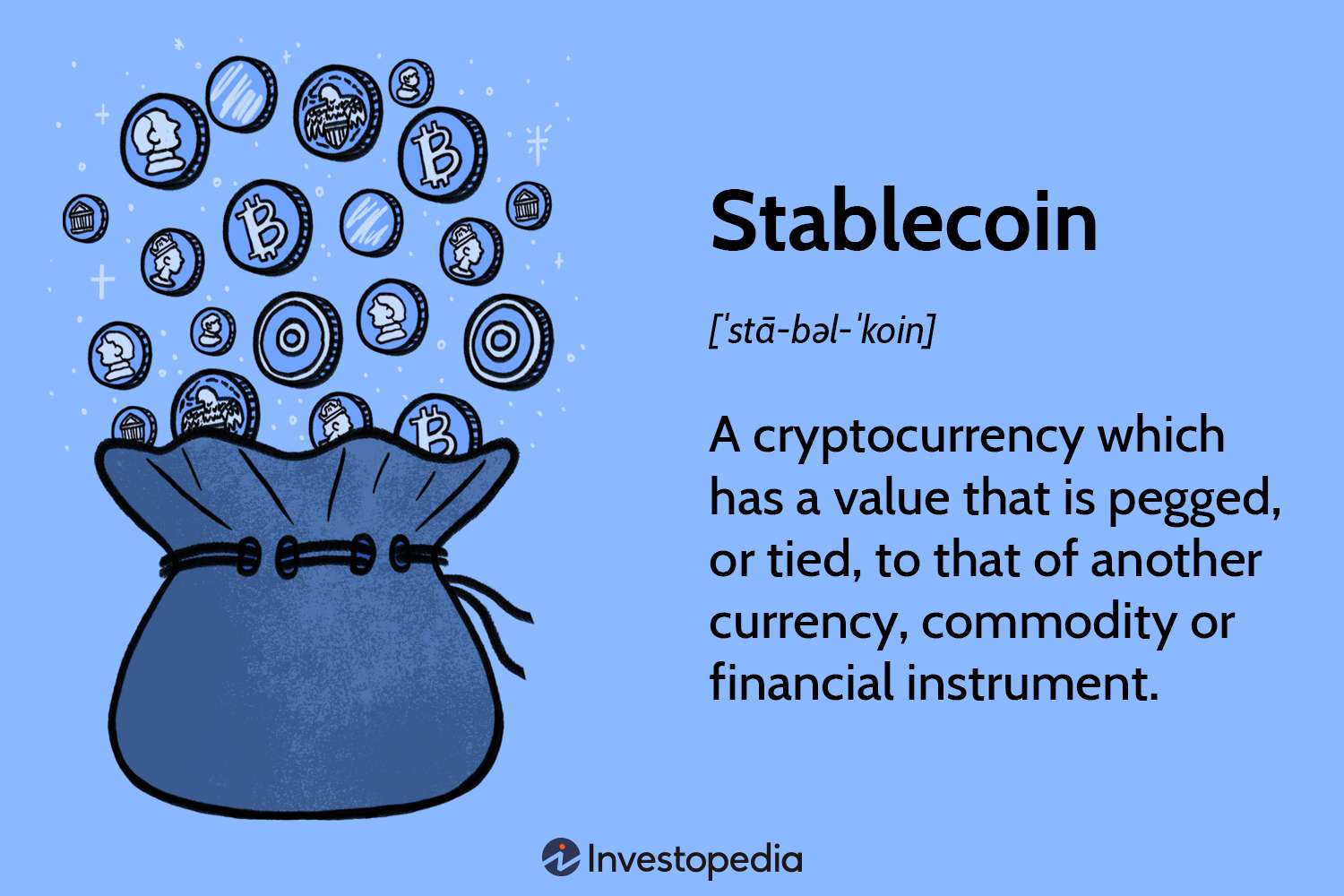
Spotting weak stablecoin options
Many providers market "native" stablecoins that are not actually native. A true Bitcoin-native stablecoin stays on Layer 1, uses BTC as collateral locked in a vault, and never moves BTC off the network. If a solution requires a bridge to Ethereum or Tron, it is not native. This distinction matters for security and settlement speed.
Avoiding misleading claims
Watch for platforms that promise instant settlement without explaining the underlying settlement layer. Some use off-chain ledgers that mimic blockchain speed but lack decentralized verification. Others claim "zero fees" but hide costs in wide spreads or withdrawal penalties. Always check the collateral ratio and liquidation terms. A high ratio might seem safe but reduces capital efficiency for users.
Common mistakes in strategy
Failing to account for regulatory changes is a frequent error. Stablecoin issuers face evolving compliance requirements that can impact liquidity and accessibility. Another mistake is ignoring cross-chain interoperability. If your business needs to accept payments on multiple chains, a single-chain solution limits your reach. Finally, do not overlook the exit liquidity for the stablecoin itself. A stablecoin with low trading volume may be difficult to convert back to fiat or BTC during market stress.
Native stablecoin strategy: what to check next
Before committing capital or building infrastructure, it helps to separate the marketing hype from the technical reality of Bitcoin-native assets. The following answers address the most common practical objections and definitions encountered when designing a settlement layer.
Helpful gear
Use these product recommendations as a starting point, then choose the size, material, and price point that fit how you actually use the gear.



As an Amazon Associate, we may earn from qualifying purchases.
No comments yet. Be the first to share your thoughts!