Define your settlement use case
Before writing any code or deploying contracts, you need to determine if a native stablecoin rail actually solves your business problem better than traditional banking. The core advantage isn't just "crypto speed"—it's the elimination of intermediary friction for specific transaction types. J.P. Morgan’s global research highlights that stablecoins are gaining traction because they offer near-instant settlement and lower costs for cross-border or high-volume payments, provided the underlying infrastructure is robust J.P. Morgan Global Research.
A native stablecoin is minted and redeemed directly on the blockchain where it lives, rather than being a wrapped version bridged from another chain. This distinction matters for settlement rails because it removes counterparty risk associated with bridge protocols and reduces latency. When you build a rail, you are essentially creating a private or permissioned highway for value transfer that bypasses the slow, batched nature of ACH or SWIFT.
To define your use case, ask three questions:
- Velocity: Do you need T+0 settlement? If your business model depends on instant liquidity (e.g., gaming, B2B marketplaces, or remittances), traditional banking rails will bottleneck your growth.
- Cost: Are your transaction volumes high enough to justify the gas fees and development costs? For low-value, high-frequency transactions, the cost savings of native settlement can be significant.
- Compliance: Can your users hold keys, or do you need a custodial solution? Native settlement requires a clear plan for identity verification (KYC/AML) and wallet management.
If your answer to these questions leans toward speed and scale, a native stablecoin rail is likely the right infrastructure choice. If you only need occasional large transfers, a traditional wire or tokenized deposit account might suffice. Don’t build complexity where simplicity works.
Compare Layer 1 and Layer 2 Networks
Choosing the right blockchain for your stablecoin rails requires balancing speed, cost, and regulatory certainty. Layer 1 networks like Ethereum and Solana offer native security but often struggle with throughput during peak times. Layer 2 solutions, such as those built on Ethereum, aim to solve this by processing transactions off-chain while settling on the main chain, offering a middle ground for high-volume settlement.
When evaluating options, focus on finality speed and transaction costs. Ethereum provides deep liquidity and institutional trust but can be expensive. Solana offers high throughput and low fees but has faced stability challenges. Layer 2s like Arbitrum or Optimism inherit Ethereum's security while significantly reducing gas fees, making them ideal for micro-transactions and frequent settlements.
Regulatory compliance is equally critical. Networks with established legal frameworks and transparent reserve reporting, such as those supporting USDC, are generally preferred by financial institutions. Always verify that the network you choose aligns with your compliance requirements and supports the stablecoins you intend to use.
| Network | Finality | Avg. Cost | Compliance |
|---|---|---|---|
| Ethereum | ~15 sec | High | Strong |
| Solana | ~400 ms | Low | Moderate |
| Arbitrum (L2) | ~1-2 min | Low | Strong |
| Optimism (L2) | ~1-2 min | Low | Strong |
For those prioritizing security and institutional-grade infrastructure, Ethereum remains the gold standard, despite higher costs. If your use case involves high-frequency, low-value transactions, Layer 2 solutions offer a more efficient alternative without sacrificing the security guarantees of the base layer.


As an Amazon Associate, we may earn from qualifying purchases.
Integrate custody and compliance tools
Building a native stablecoin isn't just about writing smart contracts; it's about securing the fiat reserves and ensuring every transaction complies with global regulations. Without robust custody and compliance layers, your settlement rails are exposed to theft and regulatory shutdown. You need infrastructure that handles both the digital assets and the legal checks automatically.
Select a regulated custody provider
You can't manage multi-signature keys and fiat audits in-house without significant overhead. Partner with a licensed custodian like Fireblocks or Copper to hold the underlying reserves. These providers offer institutional-grade security, including MPC (Multi-Party Computation) technology for key management and real-time audit trails. This ensures that your stablecoin's backing is transparent and secure, meeting the expectations of institutional partners and regulators alike.
Implement automated KYC/AML screening
Compliance cannot be an afterthought. Integrate a KYC/AML provider that screens users against sanctions lists (like OFAC) before they can mint or redeem stablecoins. Tools like Sumsub or Onfido can automate identity verification, while transaction monitoring tools like Chainalysis flag suspicious activity in real-time. This layer is critical for preventing your rails from being used for illicit finance, which is a primary concern for banking partners.
Set up multi-sig transaction signing
For the actual movement of funds, implement a multi-signature wallet solution. Require multiple independent approvals for any large transfer or reserve rebalancing. This prevents a single point of failure. If one key is compromised, the funds remain safe. Coordinate with your custodian to ensure their API supports the specific signing workflows your settlement engine requires, ensuring that every outflow is authorized and logged.
Establish reserve auditing protocols
Finally, automate the reconciliation between your on-chain supply and your off-chain bank accounts. Use oracles or custom scripts to pull data from your custodian's API and compare it against the total supply of your stablecoin on the blockchain. Discrepancies should trigger immediate alerts. Regular third-party audits are also non-negotiable; they provide the proof of reserves that builds trust with your users and regulators.
Manage liquidity and reserve audits
Maintaining a stable peg requires two things: enough cash on hand to meet redemption requests and proof that the reserves actually exist. Without liquidity, your settlement rail stalls during volatility. Without transparent audits, trust evaporates. This section outlines the operational steps to keep both in check.
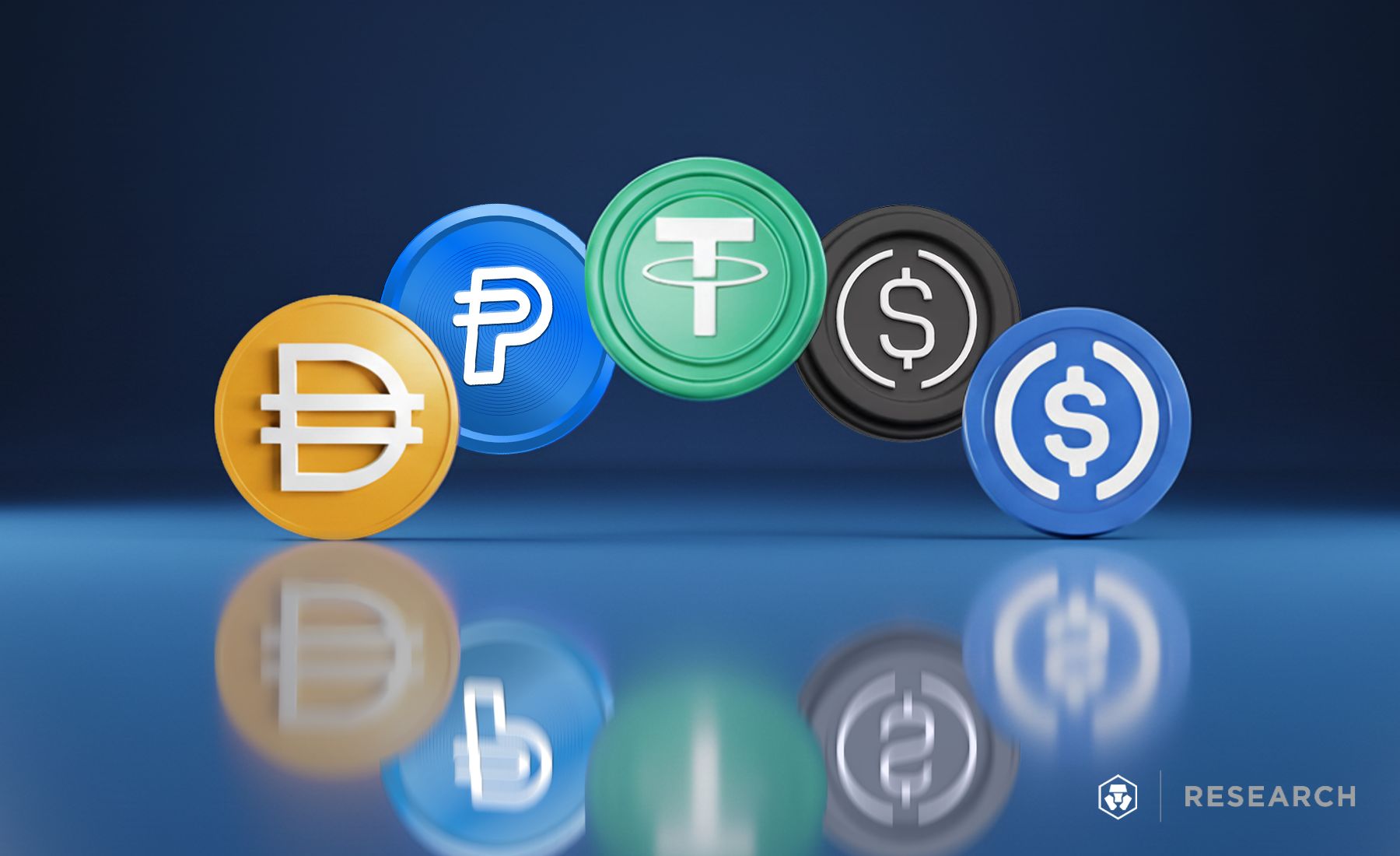
Set up dashboards that track your stablecoin’s circulating supply against its reserve balances. J.P. Morgan notes that stablecoin growth is driven by utility, but utility fails if users cannot exit positions quickly. Monitor the spread between your on-chain reserves and immediate redemption requests. If liquidity drops below a safe threshold, pause minting or activate a pre-approved credit line to prevent slippage.

Transparency is your best defense against de-pegging events. Engage a reputable third-party auditor to verify your reserve composition monthly. While USDC is often cited for its regulatory compliance and monthly disclosures, you must establish your own rhythm. Publish these reports on-chain or on a public dashboard so users can verify backing independently.

Reserves shouldn’t just sit in cash. Diversify slightly into high-quality short-term government bills to earn yield, but keep the majority in liquid assets. J.P. Morgan highlights that stability is the core value proposition; any asset that locks up capital for more than 24 hours introduces risk. Simulate scenarios where 10% of your supply is redeemed in an hour to ensure you can meet demand without selling illiquid assets at a loss.
These steps create a feedback loop: liquidity ensures function, and audits ensure trust. When users see that your reserves are real and accessible, they are less likely to panic-sell during market dips, keeping your settlement rail stable.
Test the settlement pipeline
Before moving a single dollar of real funds, you need to prove your rails can handle the pressure. Think of this phase as the crash test for your financial infrastructure. If the settlement logic fails under load, the damage isn't just technical—it's a liquidity crisis.
Use this ordered checklist to stress-test your system. Each step targets a specific failure point that often breaks in production.

Send burst traffic to your testnet. You need to verify that your smart contracts and off-chain matchers don't drop transactions when volume spikes. Monitor for latency spikes that could cause double-spends or settlement delays.

Test edge cases where fees exceed the transaction amount or where network gas prices fluctuate wildly. Ensure your system correctly deducts fees from the stablecoin balance without causing rounding errors or negative balances.

Intentionally trigger failures: invalid signatures, insufficient reserves, and network timeouts. Your system must roll back these transactions cleanly without leaving the ledger in an inconsistent state. Log every error for audit trails.
Measure the time from transaction submission to on-chain finality. For a native stablecoin, this should be near-instant. If it takes more than a few seconds, your settlement rail is too slow for real-time commerce.

Execute a full lifecycle test: mint, transfer, redeem, and burn. Use small amounts of your test stablecoin to verify that the entire flow works end-to-end, including any off-chain oracle updates or reserve attestations.
If any step fails, pause. Fix the bug, re-run the test, and only then proceed to mainnet deployment. A broken settlement rail is a broken promise to your users.
Native Stablecoin FAQs
Understanding the technical distinctions between native assets and wrapped tokens is essential for building secure settlement rails. Below are answers to common questions regarding token architecture and safety.
No comments yet. Be the first to share your thoughts!