Why native stablecoins matter now
The financial infrastructure built for the last century is struggling to keep pace with the speed of modern commerce. For finance professionals, the gap between legacy settlement rails and customer expectations is no longer a theoretical risk—it is an operational bottleneck. Native stablecoins are not just another crypto asset; they represent a fundamental shift in how value moves across borders, offering real-time settlement that traditional banking systems simply cannot match.
Consider the mechanics of a standard cross-border wire. Through the SWIFT network, a transaction can take days to settle, incurring multiple intermediary fees and exposing the sender and receiver to foreign exchange volatility during the delay. Native stablecoins bypass this entire chain. As noted by McKinsey, stablecoins can be sent directly between two blockchain-based wallet addresses without either party needing to open an account at a traditional financial institution. This directness eliminates the need for correspondent banking relationships, which are often opaque and slow.
The market is already responding to this efficiency. Stripe’s analysis of payment trends highlights accelerating stablecoin payment growth, driven by strong customer appetite for faster, cheaper alternatives. Businesses are not waiting for permission to adopt these tools; they are integrating them to reduce friction and capture new markets. For institutions, the question is no longer if native stablecoin infrastructure will become standard, but how quickly they can build it to remain competitive.
Choosing the right settlement infrastructure
Selecting the right blockchain and custody solutions depends on your specific use case. B2B payments often prioritize speed and finality, while B2C applications require low transaction costs and high throughput. Cross-border settlements need robust compliance features and multi-currency support. There is no one-size-fits-all solution.
Public vs. Permissioned Chains
Public blockchains like Ethereum and Solana offer transparency and decentralization but can face high gas fees during peak times. Permissioned chains provide controlled access and faster finality, suitable for institutional use. The choice depends on your regulatory requirements and user base.
| Feature | Public Chain | Permissioned Chain |
|---|---|---|
| Transparency | High | Controlled |
| Transaction Speed | Variable | High |
| Cost | Variable (Gas Fees) | Predictable |
| Regulatory Compliance | Challenging | Easier |
| Access Control | Open | Restricted |
Custody Solutions
Custody is critical for risk management. Institutional-grade custodians offer multi-sig wallets and insurance. Self-custody provides more control but requires significant technical expertise. Hybrid solutions combine the benefits of both.



As an Amazon Associate, we may earn from qualifying purchases.
Regulatory Considerations
Regulatory compliance varies by jurisdiction. Ensure your infrastructure meets local requirements. Consult with legal experts to handle the complex landscape. Official sources like the BVNK provide guidance on building compliant stablecoin strategies.
Key tools for native stablecoin operations
Running a native stablecoin strategy requires more than just holding the tokens; it demands a stack of specialized software to move value and stay compliant. Think of these tools as the plumbing and security system of your treasury—without them, the water leaks or the pipes burst.
Payment gateways and on-ramps
To actually spend or receive stablecoins, you need reliable payment gateways that bridge traditional finance and blockchain networks. These services handle the conversion between fiat and crypto, ensuring that your stablecoin flows match your operational needs. Fireblocks and TreasurUp are notable players offering institutional-grade infrastructure for these transactions, prioritizing market expansion and regulatory adherence [src-serp-8] [src-serp-2].
Compliance and identity checks
Compliance isn't optional. Automated KYC (Know Your Customer) and AML (Anti-Money Laundering) checks must be integrated directly into your transaction flow. This means using tools that can screen wallets against sanction lists in real-time. Without this, you risk exposing your organization to severe regulatory penalties. Look for providers that offer API-first compliance solutions, allowing you to embed these checks seamlessly into your existing finance workflows.
Value stability monitoring
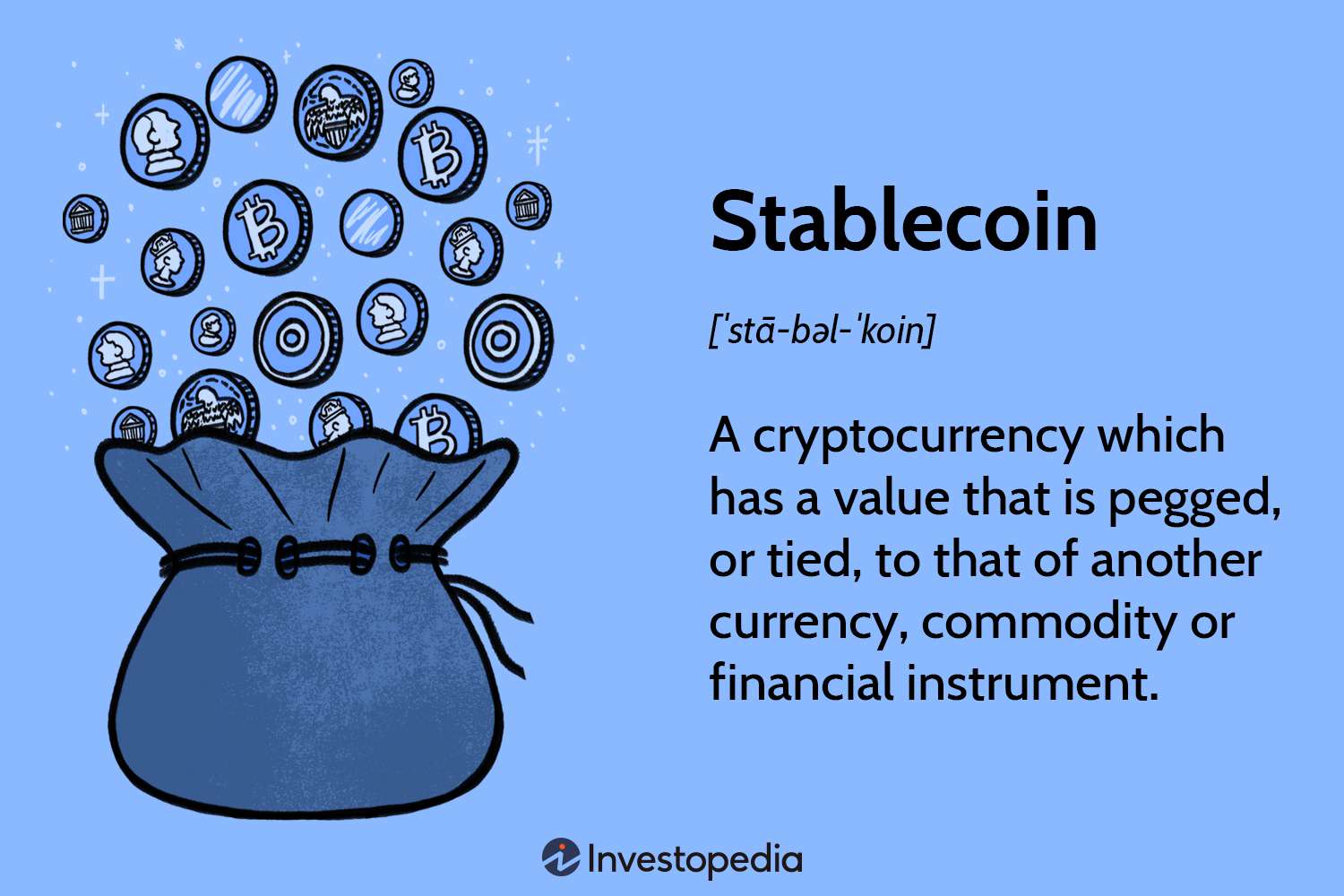
Even though stablecoins are pegged to fiat, monitoring their performance is essential for risk management. You should track the stability of major assets like USDC and USDT to ensure they remain at or near their $1.00 peg during market stress.
Market analysis and regulatory trends
The stablecoin market is shifting from speculative experimentation to regulated infrastructure. Global transaction volumes are growing, but the real story lies in how different jurisdictions are defining the rules of engagement. The United States, the European Union, and key Asian markets are moving at different speeds, creating a fragmented but evolving landscape for native stablecoin strategies.
In the US, the focus remains on compliance and banking partnerships. While federal legislation has been slow, state-level banking charters and existing anti-money laundering frameworks are shaping how issuers operate. The emphasis is on reserve transparency and custodial security, forcing issuers to adopt traditional financial controls. This approach prioritizes stability over speed, aiming to integrate stablecoins into the existing fiat system rather than replacing it.
The European Union’s Markets in Crypto-Assets (MiCA) regulation offers a more unified framework. By setting clear capital and liquidity requirements for asset-referenced tokens, the EU is creating a predictable environment for issuers. This regulatory clarity is attracting institutional players who need legal certainty to scale operations. The result is a market that is slower to launch but potentially more robust in the long term.
Asia presents a different dynamic. Countries like Singapore and Japan have established clear licensing regimes, fostering innovation while maintaining strict oversight. In contrast, larger markets are experimenting with central bank digital currencies (CBDCs) as a complement to private stablecoins. The OMFIF notes that a global stablecoin clearing system could eventually allow financial institutions to receive stablecoins from foreign issuers and convert them to local currencies, bridging the gap between disparate regulatory regimes.
Looking ahead, growth will depend on interoperability. As noted by industry analysts, stablecoins are increasingly used by consumers and businesses in emerging markets to hold dollars and facilitate cross-border payments. The challenge for infrastructure providers is to ensure that these assets can move seamlessly across chains and borders without triggering regulatory flags. The companies that solve this puzzle will capture the majority of the market share.

Building your implementation checklist
Launching a native stablecoin strategy requires more than just token creation; it demands a robust operational framework. This checklist walks you through the critical infrastructure and tooling steps needed to move from planning to a secure, compliant launch.
Choose institutional-grade custody solutions that support multi-party computation (MPC) or hardware security modules (HSMs). Your settlement layer must handle high throughput while maintaining strict audit trails for regulatory reporting.
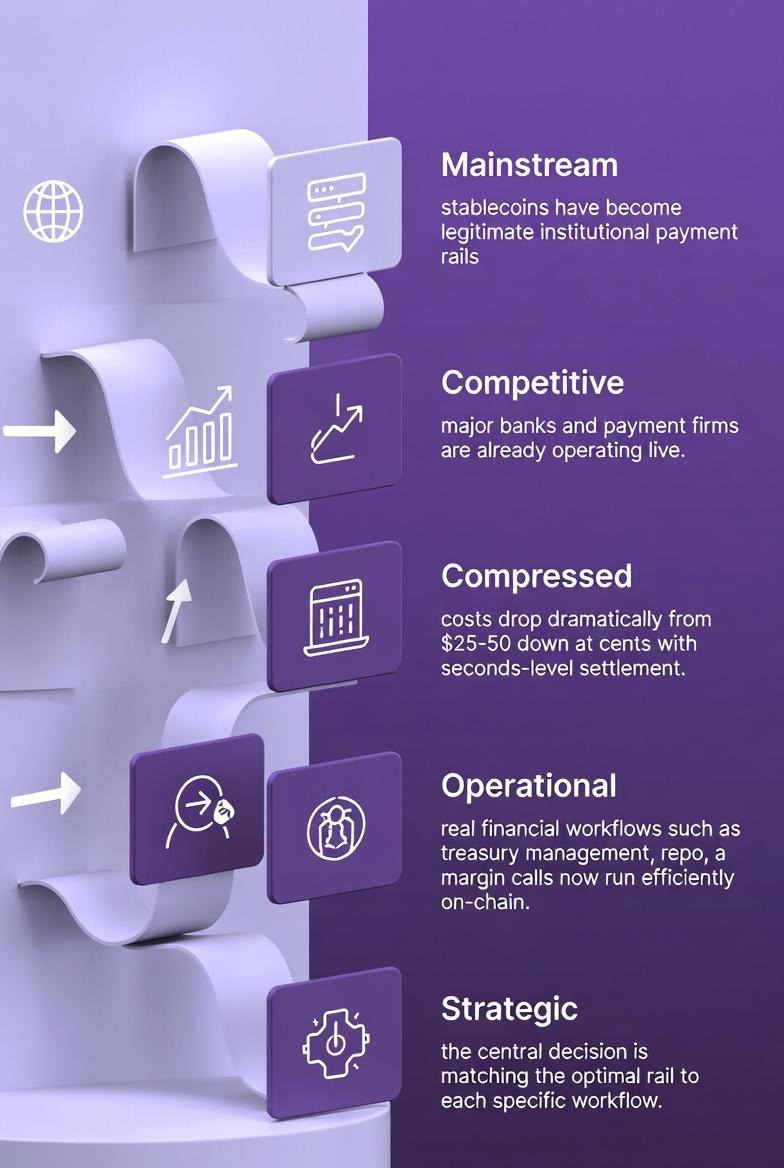
Deploy reliable oracle networks to ensure your stablecoin’s peg remains accurate and transparent. This step is essential for maintaining user trust and preventing arbitrage attacks during periods of market volatility.
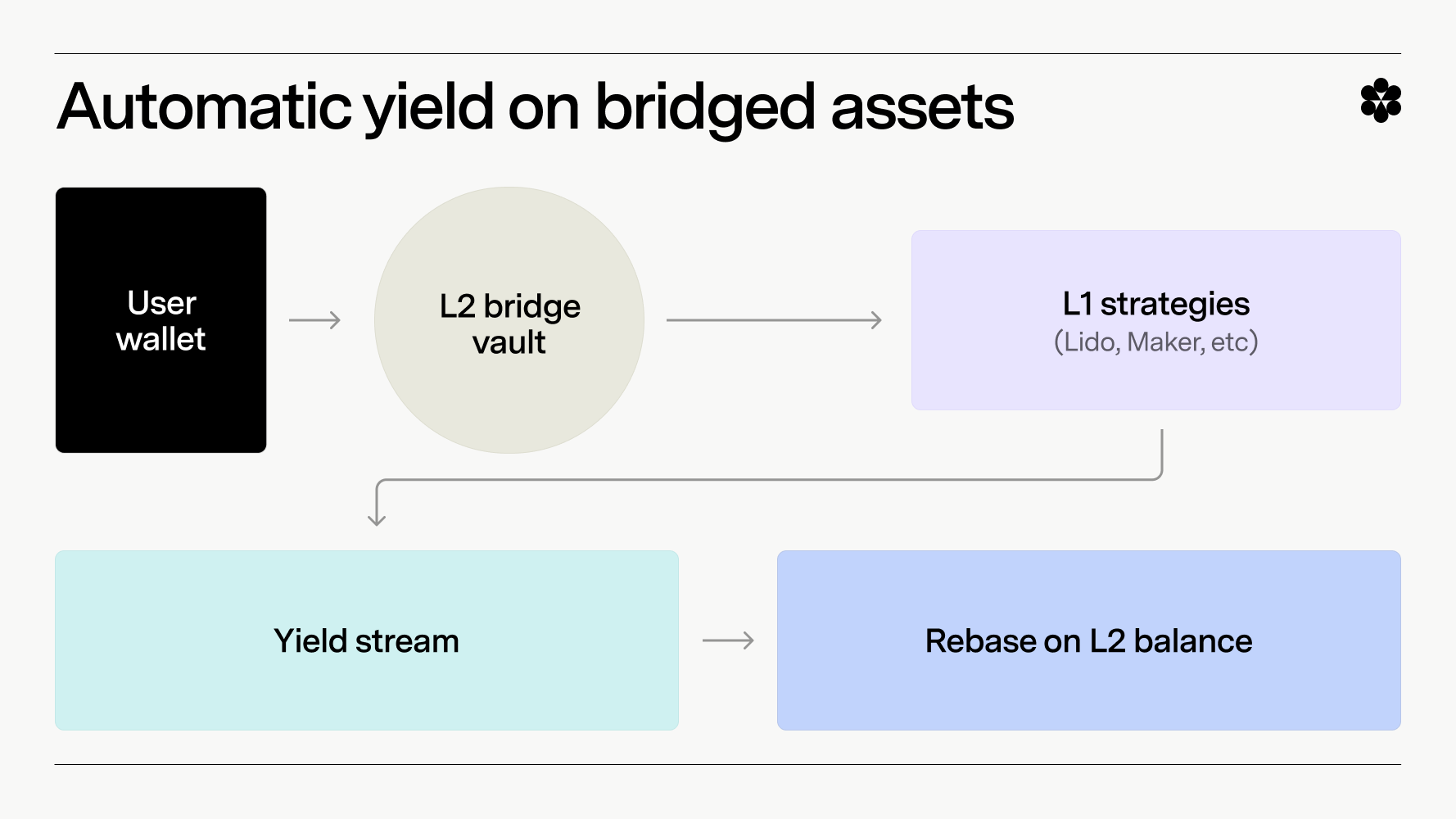
Embed identity verification and transaction monitoring tools directly into your minting and burning processes. This ensures that only verified participants can interact with the stablecoin, mitigating regulatory risk from day one.
Once these core components are in place, you can proceed to stress-testing your smart contracts and liquidity pools. Regular audits and continuous monitoring of on-chain metrics will help you maintain stability as your user base grows.
No comments yet. Be the first to share your thoughts!