Map Your Settlement Requirements
Before you write a single line of code or sign a contract, you need to define exactly what your native stablecoin infrastructure is supposed to do. "Stablecoin infrastructure" is not a monolith; it is a stack of components that behave very differently depending on whether you are moving money across borders, issuing payment cards, or managing a corporate treasury.
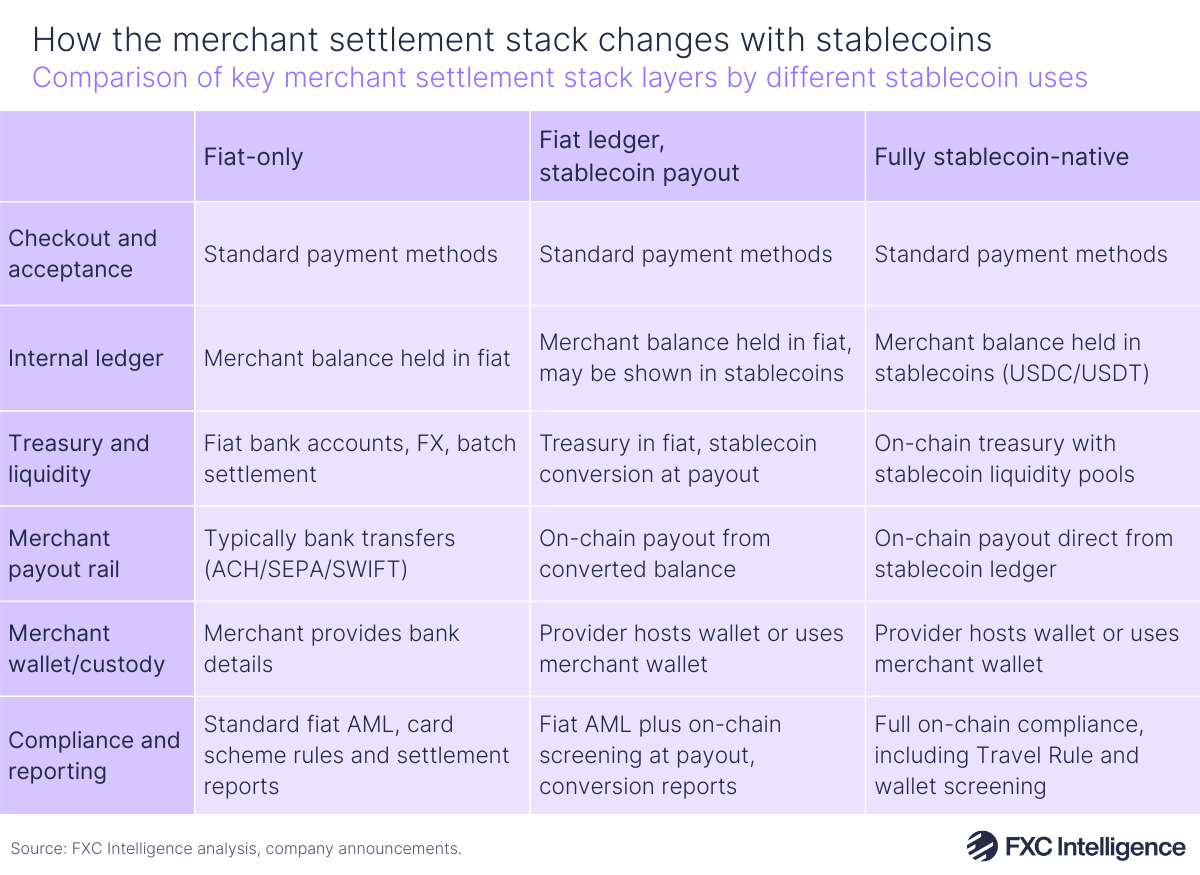
The architecture you choose hinges on one critical decision: custodial versus non-custodial settlement. This isn't just a security preference; it dictates your entire compliance burden, speed of execution, and liability profile.
Cross-Border Payments
If your use case is cross-border payments, your priority is speed and finality. You likely need a non-custodial or hybrid approach where you maintain control over the private keys to avoid the friction of traditional banking rails. This setup allows you to settle transactions directly on-chain, bypassing the SWIFT system's delays.
However, this requires robust wallet infrastructure and strict key management protocols. If you lose control of the keys, you lose the funds. You are essentially building a bank's backend without the bank's balance sheet. The goal here is to leverage stablecoin wallets and cards to monetize like a bank, earning interchange fees while keeping settlement costs near zero [src-serp-3].
Card Issuance
For card issuance, the narrative shifts to user experience and fiat on-ramps/off-ramps. Here, custodial settlement APIs are often the smarter choice. Providers like Stripe or Circle offer endpoints that abstract away the complexity of blockchain interactions. Your users don't care about gas fees or block confirmations; they care that their card works at the grocery store.
In this scenario, you are trading some control for ease of integration. The infrastructure layer becomes a wrapper around existing financial rails, using stablecoins as the backend settlement currency while the frontend remains entirely familiar to the consumer.
Treasury Management
Treasury management sits somewhere in between. You need the transparency of on-chain accounting but the stability of traditional finance. This often involves a mix of on-chain yield-bearing stablecoins and off-chain reporting tools. The primary requirement here is auditability. Every transaction must be traceable and compliant with local regulations.
| Use Case | Primary Goal | Recommended Path | Key Risk |
|---|---|---|---|
| Cross-Border | Speed & Cost | Non-Custodial | Key Security |
| Card Issuance | UX & Integration | Custodial API | Provider Lock-in |
| Treasury | Auditability | Hybrid | Regulatory Compliance |
Defining these requirements early prevents costly architectural pivots later. Once you know if you are building a bank, a card network, or a treasury tool, you can select the right providers and begin the technical implementation.
Pick the right orchestration layer
Choosing the right middleware provider is the difference between a stablecoin flow that feels invisible and one that breaks at checkout. An orchestration layer handles the heavy lifting: it routes liquidity across chains, manages settlement rails, and ensures your users get paid without waiting for block confirmations.
For native stablecoin infrastructure, you need a provider that acts as a central nervous system. It must connect your frontend to multiple blockchains and fiat on-ramps seamlessly. The goal is to abstract away the complexity of cross-chain bridges and currency conversions so your business can focus on the user experience.
We compare three leading platforms below. Each offers distinct advantages depending on whether you prioritize global reach, developer flexibility, or enterprise-grade compliance.
| Provider | Supported Chains | API Latency | Compliance Features |
|---|---|---|---|
| Bridge | EVM, Solana, Aptos | < 200ms | KYC/AML built-in, US-based entity |
| Rain | EVM, Bitcoin (Layer 2) | < 150ms | Enterprise audit trails, card network integration |
| Eco | Multi-chain (modular) | Variable by chain | Sovereign identity, privacy-first architecture |
Bridge is often the go-to for businesses that want an all-in-one solution. As an end-to-end platform, it allows you to receive, store, convert, and issue stablecoins through a single API. This reduces the need to stitch together multiple vendors, which is critical when managing native stablecoin infrastructure at scale.
Rain focuses heavily on enterprise payments and global money movement. If you are building stablecoin-powered cards or need fast settlement for international transfers, Rain’s scalable API and trusted infrastructure provide a robust foundation. Their integration with traditional card networks is a significant advantage for hybrid crypto-fiat models.
Eco takes a modular approach, emphasizing sovereign identity and privacy. Their infrastructure is designed to be composable, allowing developers to pick and choose components that fit specific regulatory requirements. This flexibility is ideal for projects that need to navigate diverse global compliance landscapes without sacrificing user privacy.


As an Amazon Associate, we may earn from qualifying purchases.
When selecting your orchestration layer, consider the technical debt you are willing to manage. Bridge offers the least friction for startups. Rain provides the most polished experience for consumer-facing payments. Eco is the best choice for developers who need granular control over their compliance and identity layers. Test each API with your specific use case before committing to a long-term integration.
Integrate issuance and conversion APIs
To make your native stablecoin infrastructure functional, you need to connect to APIs that handle the movement of value. This means linking to issuers for minting and burning, and to conversion providers for fiat on-ramping and off-ramping. You are essentially building the plumbing that allows users to enter and exit your ecosystem with real value.
The first step is selecting your settlement layer. You must decide between custodial APIs, where the provider holds the keys and manages the fiat reserves, and non-custodial middleware, where you retain control of the keys but must manage the complexity of direct blockchain interactions. For most new infrastructure builds, starting with a custodial provider like Circle or Stripe offers a faster path to compliance, as they handle the heavy lifting of regulatory reporting and reserve management.
Once you choose a provider, register for a developer account and obtain your API credentials. These endpoints will allow your application to trigger minting events when a user deposits fiat, and burning events when they withdraw. Ensure you configure your webhook listeners immediately after setup; these webhooks are critical for receiving real-time notifications about transaction status, such as when a mint is confirmed on-chain or when a fiat deposit clears.
Before going live, you must rigorously test these flows in a sandbox environment. Use testnet tokens or sandbox fiat credits to simulate the full lifecycle: deposit, mint, transfer, burn, and withdraw. This step reveals latency issues and error handling gaps that are invisible in code reviews. Only after your tests pass should you enable production keys and switch your API calls to the live endpoints.
Create an account with your chosen stablecoin issuer or fiat on-ramp provider. Complete the necessary KYB (Know Your Business) verification to unlock API access. This often takes 24-48 hours, so start early. You will receive API keys and sandbox credentials upon approval.
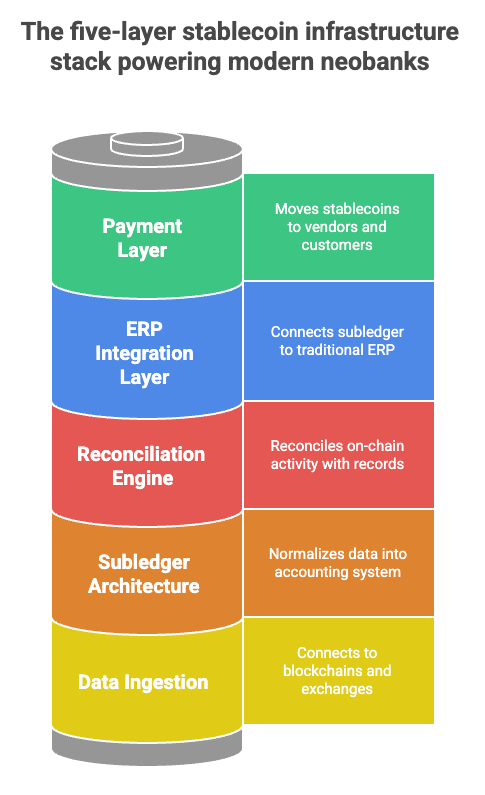
Set up endpoints on your server to receive asynchronous updates from the provider. These webhooks notify your system when minting is complete or when fiat settlements occur. Implement signature verification to ensure the requests are authentic and not spoofed by third parties.
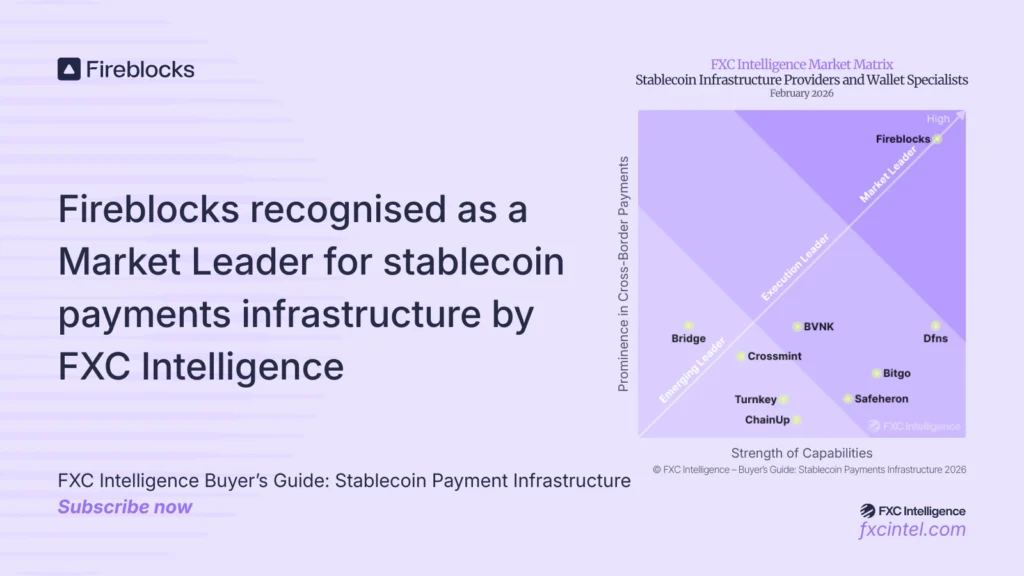
Use the provider’s sandbox environment to run full lifecycle tests. Simulate deposits, mints, transfers, burns, and withdrawals. Check for edge cases like network congestion, failed fiat transfers, and incorrect balance updates. Document any errors to refine your error-handling logic.

Once testing is complete, switch your API configuration to use production keys. Start with low-volume transactions to verify that the live environment behaves as expected. Monitor your logs closely for the first few days to catch any integration issues before scaling up.
Verify compliance and custody options
Before launching your native stablecoin infrastructure, you must ensure it meets regulatory standards and selects appropriate custody solutions. This step is critical for risk management and operational integrity.
KYC/AML Integration
Integrate robust Know Your Customer (KYC) and Anti-Money Laundering (AML) protocols. This involves verifying user identities and screening transactions against sanctions lists. Use official sources to guide your compliance framework, ensuring you adhere to local and international regulations.
Transaction Monitoring
Implement real-time transaction monitoring to detect suspicious activities. This system should flag unusual patterns and generate alerts for further investigation. Regular audits and updates to your monitoring algorithms are essential to stay ahead of emerging threats.
Regulatory Reporting
Prepare for regulatory reporting by establishing clear data collection and reporting mechanisms. This includes maintaining records of all transactions and user interactions. Ensure your system can generate reports required by financial authorities promptly and accurately.
Custody Solutions
Select a custody solution that aligns with your risk management strategy. Consider factors such as security, accessibility, and cost. Multi-signature wallets and hardware security modules are common choices for securing stablecoin assets. Always verify the reputation and track record of your custody provider.
-
KYC integration
-
AML screening
-
Transaction monitoring
-
Regulatory reporting readiness
Test end-to-end settlement flows
Testing native stablecoin infrastructure requires more than checking if a transaction "goes through." You need to validate the entire journey from user initiation to final blockchain settlement. This process reveals latency issues and failure points that only appear under real-world conditions.
1. Simulate full transaction cycles
Run end-to-end tests that mimic actual user behavior. Initiate a payment, track its movement through the orchestration layer, and confirm final settlement on the blockchain. This approach exposes timing gaps between your internal ledger and the public chain, ensuring your infrastructure can handle the full lifecycle of a stablecoin payment.
2. Verify latency and confirmation times
Measure the time it takes for a transaction to be broadcast, included in a block, and confirmed by your settlement engine. Compare these metrics against your service level agreements. If your native stablecoin infrastructure adds unnecessary delays at the orchestration layer, it will degrade the user experience compared to traditional payment rails.
3. Stress-test failure scenarios
Intentionally trigger failures to see how your system recovers. Test network congestion, failed oracle updates, and partial settlement errors. Your infrastructure must handle these gracefully without leaving funds in limbo. This step is critical for maintaining trust, as users expect immediate resolution or clear error messages when something goes wrong.
4. Audit compliance and reporting
Ensure every step of the settlement flow generates the necessary audit trails. Verify that transaction hashes, timestamps, and counterparty data are logged correctly. This documentation is essential for regulatory compliance and internal reconciliation. Without accurate records, you cannot prove the integrity of your stablecoin payments infrastructure during an audit.
5. Validate cross-chain interoperability
If your native stablecoin infrastructure operates across multiple blockchains, test transactions between them. Confirm that bridges or interoperability protocols settle correctly and that assets are not lost during transit. This ensures your system can handle the complexity of a multi-chain environment without compromising security or speed.
Avoiding Common Stablecoin Integration Mistakes
Building native stablecoin infrastructure requires precision. One misconfigured parameter can lock funds or trigger compliance flags. Most failures stem from overlooking the operational details rather than the core blockchain logic.
Ignoring Gas Fee Volatility
Ethereum gas fees fluctuate wildly. If your settlement layer doesn’t account for peak congestion, transactions fail or cost more than the transfer value itself. Always implement dynamic gas estimation and fallback mechanisms for lower-fee networks like Polygon or Arbitrum when appropriate.
Misconfiguring Webhooks
Webhooks are your eyes on-chain. If they time out or lack idempotency checks, your internal ledger will drift from the blockchain state. This mismatch causes duplicate payouts or stuck balances. Use official documentation from providers like Circle or Stripe to validate webhook signatures and ensure your endpoints retry safely on failure.
Overlooking Custodial vs. Non-Custodial Risks
Choosing between custodial APIs (like Circle’s) and non-custodial middleware (where you hold keys) changes your security model entirely. Custodial solutions simplify compliance but introduce counterparty risk. Non-custodial setups give you control but require robust key management. Define your risk tolerance before writing the first line of code.
Native stablecoin infrastructure: frequently asked: what to check next
Building native stablecoin infrastructure involves complex technical and regulatory decisions. These questions address the most common hurdles teams face when integrating stablecoin rails.
No comments yet. Be the first to share your thoughts!