Defining native stablecoin infrastructure
Native stablecoin infrastructure refers to the blockchain-native layers that enable instant, programmable value transfer without traditional banking intermediaries. This includes issuance, custody, settlement, and compliance systems that operate directly on distributed ledgers. Unlike legacy banking rails, which rely on centralized clearinghouses and batch processing, native infrastructure allows for real-time settlement and smart contract integration.
The core components of this infrastructure are interconnected layers: blockchains, reserves, digital wallets, payment protocols, and compliance tools. These layers work together to maintain steady value, ensure reliable transfers, and meet regulatory requirements. For businesses, understanding these components is essential for leveraging stablecoins effectively in global commerce.
The 2026 market is defined by this shift toward native settlement. As adoption grows, the distinction between traditional finance and blockchain-based systems becomes less about technology and more about operational efficiency. Native stablecoin infrastructure offers a path to faster, cheaper, and more transparent transactions, setting the stage for a new era of digital finance.
Custodial vs. Non-Custodial Infrastructure
When building native stablecoin infrastructure, the first structural decision is who holds the keys. This choice defines your liability, speed, and control. The split is generally binary: custodial settlement APIs or non-custodial middleware where you retain ownership.
Custodial models, such as Stripe’s crypto endpoints or Circle’s enterprise APIs, offload the heavy lifting. You integrate a standard API, and the provider handles compliance, custody, and settlement rails. This is the fastest route to market. However, you surrender direct control over the underlying assets and become dependent on the provider’s uptime and policy changes. It is a convenience trade-off.
Non-custodial middleware flips this dynamic. You interact directly with the blockchain or a zero-knowledge rollup, managing your own private keys and smart contract logic. This approach offers maximum control and lower marginal costs at scale, but it requires significant engineering resources to secure keys and manage settlement failures. There is no safety net if a transaction fails or a key is compromised.
The following table breaks down the core trade-offs between these two infrastructure layers for 2026.
| Feature | Custodial (API) | Non-Custodial (Middleware) |
|---|---|---|
| Control | Provider-managed keys | Self-custodied keys |
| Speed to Market | Days to weeks | Months to years |
| Compliance Burden | Provider-led | Issuer-led |
| Cost Structure | Higher per-transaction fees | Lower marginal cost |
| Risk Exposure | Counterparty risk | Technical/Security risk |
For most teams prioritizing rapid deployment and regulatory safety, custodial rails remain the pragmatic default. Non-custodial infrastructure is reserved for projects where sovereignty and scale outweigh the initial engineering complexity.
The 2026 Infrastructure Provider Landscape
The native stablecoin infrastructure market has matured from experimental protocols into a structured ecosystem of specialized providers. In 2026, the value chain is clearly segmented into orchestrators, issuers, and rails, each requiring distinct technical and regulatory capabilities. Understanding these layers is essential for evaluating which infrastructure partners can support high-stakes financial operations.
Orchestrators and Issuers
Orchestrators like Chainlink provide the critical connectivity between traditional banking systems and blockchain networks, ensuring that stablecoins remain compliant and transparent across jurisdictions. They act as the central nervous system, managing data feeds and compliance checks that allow issuers to operate within regulatory frameworks. Meanwhile, issuers focus on the minting and redemption mechanics, backed by real-world assets held in regulated custodial accounts. This separation of duties allows for greater specialization and risk management.
Settlement Rails
The rails layer handles the actual movement of value, with various blockchains offering different trade-offs between speed, cost, and security. Established chains continue to dominate volume, while newer stablechains are emerging to offer purpose-built environments for stablecoin transactions. The choice of rail often dictates the final user experience, influencing everything from transaction confirmation times to cross-border settlement efficiency.
Market Liquidity and Volume
The health of the native stablecoin infrastructure is directly tied to the liquidity of its underlying assets. Traders and institutions monitor these metrics closely to ensure that settlement layers can handle large volumes without slippage or delays. The following chart illustrates the recent market behavior of major stablecoin assets, highlighting the depth and stability of the current infrastructure.
Build a settlement strategy that actually works
Implementing native stablecoin infrastructure is less about choosing a blockchain and more about designing a system that balances speed, cost, and regulatory certainty. For businesses, the goal is to move money like data: instantly, globally, and with minimal friction. This requires a layered approach where compliance is baked into the code, interoperability is assumed rather than bolted on, and the user experience feels as simple as sending an email.
Step 1: Anchor compliance in the architecture
Don't treat compliance as an afterthought or a separate backend service. Integrate Know Your Customer (KYC) and Anti-Money Laundering (AML) checks directly into the transaction flow using compliant stablecoins like USDC. This ensures that every transaction is traceable and verifiable from the start. By partnering with regulated issuers and using identity verification protocols that work across chains, you reduce regulatory risk and build trust with institutional partners.
Start by integrating regulated stablecoins like USDC or USDT. These assets offer built-in compliance features, such as the ability to freeze addresses or restrict transactions if required by law. This reduces legal exposure and makes it easier to onboard enterprise clients who have strict regulatory requirements. Use official APIs from issuers to verify transaction legitimacy in real-time.
Embed identity verification directly into your wallet or payment interface. Use decentralized identity solutions or trusted third-party providers to verify users without creating friction. This ensures that only verified users can interact with your platform, reducing the risk of fraud and ensuring that your infrastructure meets global regulatory standards. Automate this process to keep onboarding smooth and fast.

Implement real-time transaction monitoring to detect suspicious activity. Use blockchain analytics tools to flag high-risk addresses or unusual transaction patterns. This proactive approach helps you stay ahead of potential compliance issues and protects your business from being used for illicit activities. Regularly update your risk models to adapt to new threats and regulatory changes.
Step 2: Design for interoperability
Native stablecoins should not be siloed. Your infrastructure must support cross-chain transfers and integration with traditional banking systems. This means using bridges, oracles, and standardized protocols that allow assets to move seamlessly between different blockchains and fiat rails. Interoperability ensures that your stablecoin strategy can scale globally without being limited by the constraints of a single network.

Implement secure cross-chain bridges to allow stablecoins to move between different blockchains. This enables users to access liquidity and services across multiple networks without leaving your platform. Choose bridges that are audited and widely used to minimize security risks. Ensure that the bridge infrastructure is robust and can handle high transaction volumes.

Connect your stablecoin infrastructure to traditional banking systems. This allows users to easily convert between stablecoins and fiat currency. Use payment processors that support both crypto and fiat transactions to provide a seamless experience. This integration is crucial for onboarding users who are not yet familiar with cryptocurrency.
Adopt industry-standard protocols for token transfers and data exchange. This ensures that your infrastructure can interact with other platforms and services without custom integrations. Use ERC-20 or similar standards for tokenization and follow best practices for smart contract development. Standardization reduces development time and increases compatibility.
Step 3: Prioritize user experience
The best infrastructure is useless if users can't navigate it easily. Your stablecoin strategy must prioritize simplicity and speed. This means designing intuitive interfaces, providing clear transaction feedback, and ensuring that transactions are confirmed quickly. A seamless user experience is the key to adoption and retention.
Create user interfaces that are easy to understand and use. Avoid complex jargon and provide clear instructions for each step of the transaction process. Use visual cues to guide users and provide feedback on transaction status. Test your interfaces with real users to identify and fix any usability issues.
Optimize your infrastructure for speed. Use layer-2 solutions or high-throughput blockchains to ensure that transactions are confirmed quickly. Provide users with real-time updates on transaction status to reduce anxiety and uncertainty. Fast transactions are essential for maintaining user trust and satisfaction.
Keep users informed throughout the transaction process. Provide clear messages about transaction success, failure, or pending status. Explain any fees or delays in simple terms. Good communication helps users understand what is happening and builds confidence in your platform.
Live Market Context
Understanding the current market dynamics is essential for timing your implementation. Below is the current performance of the leading stablecoins, which serve as the backbone of most native stablecoin strategies.
For a deeper look at the volatility and trading volume of these assets, refer to the technical chart below.
Key takeaways for 2026 stablecoin strategy
The most viable path forward for enterprises adopting native stablecoin infrastructure is to prioritize custodial settlement APIs over non-custodial middleware. While owning keys offers control, providers like Stripe and Circle deliver the compliance and liquidity depth required for high-stakes financial operations. This approach minimizes regulatory friction while allowing businesses to monetize through interchange fees and global reach.
Success in 2026 depends on interoperability and transparency. Platforms powered by Chainlink ensure that stablecoins meet the rigorous demands of global markets, bridging the gap between traditional finance and digital assets. Enterprises must view these tools not as speculative primitives, but as essential financial infrastructure.
| Feature | Custodial (Stripe/Circle) | Non-Custodial Middleware |
|---|---|---|
| Compliance | Built-in | Self-managed |
| Liquidity | High | Variable |
| Control | Shared | Full |
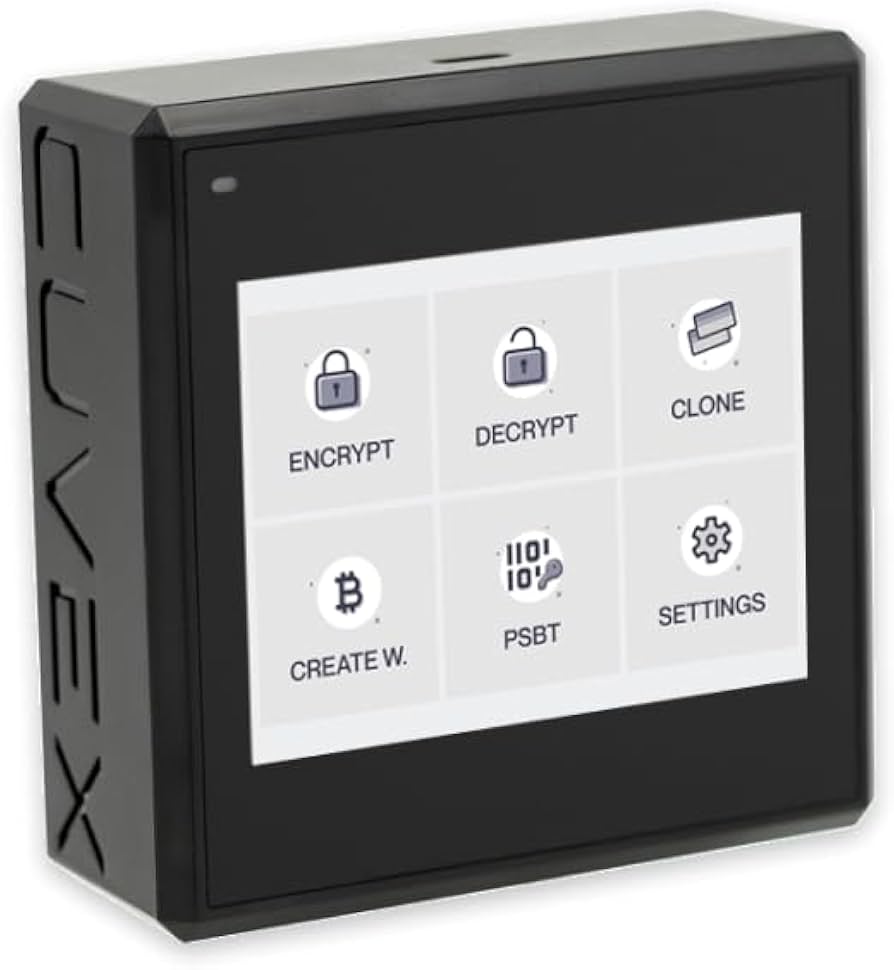


As an Amazon Associate, we may earn from qualifying purchases.
For organizations ready to scale, the decision is clear: leverage established custodial rails for immediate market access and compliance, while reserving non-custodial solutions for specialized, high-trust use cases. This hybrid strategy balances innovation with the stability required for global financial infrastructure.
No comments yet. Be the first to share your thoughts!