Why native stablecoin infrastructure matters
The financial landscape is shifting from experimental DeFi primitives to institutional-grade infrastructure. This transition isn't just about technology; it's about creating a new layer of global settlement that operates 24/7 with real-time finality. As noted by venture capital firm BVP, stablecoins are evolving from niche DeFi tools into core financial infrastructure capable of monetizing through interchange fees and wallet integration BVP.
Native settlement provides a competitive advantage that traditional banking rails cannot match. Unlike legacy systems that rely on intermediaries and batch processing, stablecoins allow value to move directly between blockchain-based wallet addresses without requiring owners to open accounts at financial institutions McKinsey. This programmability enables new business models where capital is always working, reducing friction and increasing velocity for both consumers and enterprises.
Building on this native infrastructure means leveraging the underlying blockchain's efficiency rather than layering on top of outdated systems. It allows for immediate liquidity, transparent audit trails, and seamless integration with modern digital wallets and cards. This is the foundation for the next generation of financial services.
Map the core infrastructure layers
Native stablecoin infrastructure relies on four interconnected layers. These components work together to move value securely across blockchains and traditional banking systems.
Base network
The base network is the blockchain where the stablecoin lives. It handles transaction validation, consensus, and data storage. Choosing the right chain depends on your target users, transaction speed requirements, and fee structures. Ethereum offers deep liquidity but higher costs, while Layer 2 solutions or alternative chains like Solana and Polygon provide faster, cheaper transactions for high-volume payments.
Reserve and issuance
This layer manages the backing assets that give the stablecoin its value. It includes the legal entities holding reserves, the auditing mechanisms that verify those holdings, and the smart contracts that mint or burn tokens. Transparency here is critical for trust. Regular attestation reports and clear redemption processes ensure the token remains pegged to its intended fiat value.
Custody and wallets
Custody solutions secure the private keys that control the assets. For institutional players, multi-signature wallets and hardware security modules (HSMs) are standard. For consumer-facing applications, non-custodial wallets or smart contract-based account abstraction allow users to manage their own funds while maintaining security. The right custody setup balances security with ease of use and regulatory compliance.
Payments and orchestration
The orchestration layer connects the blockchain to the real world. It includes payment gateways, fiat on-ramps and off-ramps, and compliance tools like KYC/AML checks. This layer ensures that stablecoins can be spent at merchants, converted to local currency, and tracked for regulatory purposes. Without robust orchestration, a stablecoin remains isolated on-chain rather than serving as a practical medium of exchange.
Choose Your Settlement Rails
Settlement is the final step in the transaction lifecycle. It is where value actually moves. For native stablecoin infrastructure, you have three main paths: direct blockchain integration, hybrid models, or enterprise API providers like Rain.
Direct blockchain integration gives you full control but requires significant engineering resources to handle gas optimization, chain selection, and compliance. Hybrid models offer a middle ground, balancing control with managed services. Enterprise APIs like Rain provide scalable infrastructure with built-in fiat on/off ramps, virtual accounts, and fast settlement, reducing the technical burden significantly [src-serp-1].
The right choice depends on your transaction volume, compliance needs, and engineering capacity. Use the comparison below to evaluate latency, cost, and compliance requirements for each model.
| Model | Settlement Latency | Cost Structure | Compliance Burden |
|---|---|---|---|
| Direct Blockchain | Variable (chain-dependent) | Gas fees + infrastructure | High (self-managed) |
| Hybrid Model | Moderate | Gas + service fees | Medium (shared) |
| Enterprise API (e.g., Rain) | Near-instant | Per-transaction fee | Low (provider-managed) |
Implementation Steps
- Audit your current stack: Map out where settlement fails or slows down. Identify if gas volatility or compliance checks are bottlenecks.
- Prototype with a sandbox: Test direct blockchain integration or API calls in a non-production environment. Measure latency and error rates.
- Engage legal and compliance teams: Ensure your chosen model meets regulatory requirements in your target jurisdictions. Enterprise providers often handle this, but you must verify.
- Deploy and monitor: Launch with a small subset of transactions. Monitor settlement times, costs, and failure rates before scaling.
Map out where settlement fails or slows down. Identify if gas volatility or compliance checks are bottlenecks. Use monitoring tools to track transaction latency and failure rates across your current infrastructure.
Test direct blockchain integration or API calls in a non-production environment. Measure latency and error rates. Compare the performance of different chains or API providers under load.
Ensure your chosen model meets regulatory requirements in your target jurisdictions. Enterprise providers often handle this, but you must verify their compliance frameworks and data handling practices.
Launch with a small subset of transactions. Monitor settlement times, costs, and failure rates before scaling. Set up alerts for anomalies and review performance metrics weekly.


As an Amazon Associate, we may earn from qualifying purchases.
Implement compliance and custody
Building native stablecoin infrastructure requires more than just code; it demands rigorous adherence to financial regulations and institutional-grade security. Without these foundations, a stablecoin cannot operate legally or safely at scale. This section outlines the critical steps for establishing robust KYC/AML frameworks and secure custody solutions.
Regulatory compliance is non-negotiable for native stablecoins. You must integrate identity verification systems that align with local and international standards, such as FATF Travel Rule guidelines. This involves real-time screening of users against sanctions lists and ensuring transaction monitoring systems can detect suspicious activity. Failure to implement these checks can result in severe penalties or the shutdown of your infrastructure.
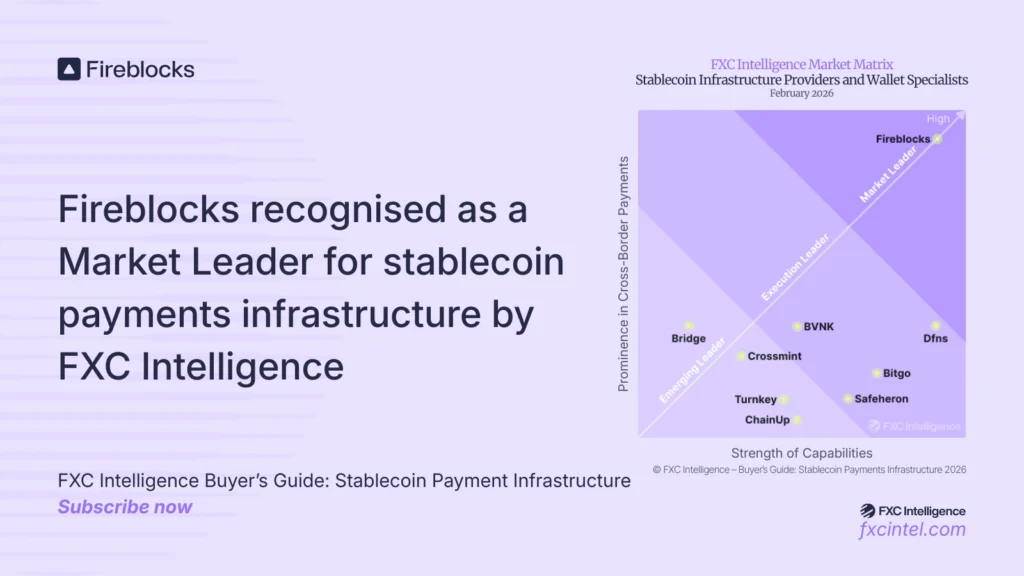
Custody solutions must protect user assets with military-grade security. This typically involves multi-signature wallets, hardware security modules (HSMs), and distributed key management systems. Unlike personal wallets, institutional custody ensures that no single point of failure can compromise funds. Providers like Fireblocks offer infrastructure that supports these requirements, ensuring that the stablecoin’s underlying reserves are secure and accessible only through authorized, audited processes.
Embed compliance checks directly into your transaction flow. Use APIs from providers like Bridge or Crossmint to automate sanctions screening and identity verification at the point of transfer. This ensures that every transaction is vetted in real-time, reducing manual overhead and minimizing the risk of regulatory breaches. These integrations should be seamless for the end-user while maintaining strict security protocols.
Transparency builds trust. Regular third-party audits of your custody solutions and compliance frameworks are essential. These audits should verify that your reserves are fully backed and that your KYC/AML processes are functioning correctly. Publish these reports to demonstrate accountability to regulators and users alike. Consistent reporting also helps identify vulnerabilities before they can be exploited.
Checklist for compliance and custody implementation:
-
Verify KYC/AML alignment with FATF guidelines
-
Deploy multi-signature or HSM-based custody solutions
-
Integrate real-time sanctions screening APIs
-
Schedule regular third-party security and reserve audits
-
Establish clear incident response protocols for security breaches
Monitor performance with live market data
Building native stablecoin infrastructure requires real-time visibility. You cannot manage liquidity or peg stability on delayed reports. Use live widgets to track the core assets—USDT and USDC—against the US dollar. This data forms the backbone of your operational strategy, allowing you to spot deviations before they become systemic issues.
Start by embedding a price widget for USDT. This token dominates transaction volume, so its stability is the first indicator of market health. If USDT drifts from parity, it often signals broader liquidity stress across the network. Pair this with a USDC widget to compare against the most regulated, transparent stablecoin. The contrast between the two helps you gauge risk levels in different segments of the market.
For deeper analysis, integrate a technical chart for USDC/USD. Look specifically at the 1-day candlestick chart with volume and RSI indicators. Volume spikes often precede price deviations, giving you an early warning system. The RSI helps identify if the peg is under temporary pressure from high-frequency trading or if there is a structural imbalance. This combination of live price and technical context turns raw data into actionable intelligence.
No comments yet. Be the first to share your thoughts!