What native stablecoin infrastructure means
Native stablecoin infrastructure is the technical backbone that allows digital dollars to move across blockchains without leaving their original home. Instead of wrapping assets on one chain and bridging them to another, native issuance locks collateral directly on the source network—such as Bitcoin Layer 1—and mints a corresponding token on a target chain. This approach treats the stablecoin not as a wrapped derivative, but as an extension of the underlying asset.
The distinction matters because it fundamentally changes the risk profile for market participants. Bridged assets rely on external custodians and smart contracts to verify balances across chains, creating multiple layers of counterparty risk. Native infrastructure eliminates the bridge entirely. Your Bitcoin never leaves the Bitcoin network; it sits in a vault, securing the stablecoin on the destination chain. This reduces the attack surface and simplifies the audit trail for regulators and users alike.
For 2026, this model is shifting from a niche experiment to a core component of financial infrastructure. As stability and regulatory clarity improve, the ability to hold stable value without sacrificing the security of the base layer is becoming a requirement for high-stakes transactions. The infrastructure providers supporting this model are now categorized into orchestrators, issuers, and rails, forming a cohesive ecosystem that prioritizes asset integrity over mere interoperability.
The shift from DeFi primitive to global financial infrastructure
The narrative around stablecoins is undergoing a fundamental change. We are moving past the era where digital dollars were merely a speculative tool for decentralized finance protocols. They are now becoming the underlying plumbing for global commerce. This transition is driven by a simple reality: businesses and consumers demand the speed and low cost of blockchain settlement without the volatility of traditional banking rails.
This shift is visible in the maturation of cross-border payment infrastructure. Fintechs and enterprises are increasingly adopting native stablecoin rails because they offer a production-ready alternative to legacy systems. The value proposition is no longer about earning yield in a liquidity pool; it is about reducing friction in actual transactions. As noted in industry analysis, stablecoin-native equivalents can now leverage wallets and cards to monetize like banks, earning interchange fees and integrating seamlessly into traditional financial workflows [src-4].
The infrastructure supporting this shift is becoming more robust. It is no longer just about holding tokens in a wallet. It involves sophisticated APIs, compliance layers, and settlement networks that allow businesses to accept, hold, and manage stablecoins at scale. This technical maturity is what distinguishes the current market from the earlier DeFi summers. The focus has moved from isolated trading pairs to integrated financial services.
This evolution is critical for the long-term viability of digital assets. When stablecoins are used as a medium of exchange rather than just a store of value, they provide real utility. This utility drives demand for the underlying infrastructure, creating a feedback loop that further improves speed and reduces costs. The result is a more efficient financial system that is accessible to anyone with an internet connection.

To understand the scale of this adoption, it helps to look at the market data. The stability and volume of major stablecoins like USDT and USDC reflect their growing role in global finance. These assets are not just trading pairs; they are the liquid backbone of the new financial infrastructure.
Top infrastructure providers compared
Native Stablecoin Infrastructure works best as a clear sequence: define the constraint, compare the realistic options, test the tradeoff, and choose the path with the fewest hidden costs. That order keeps the advice usable instead of decorative. After each step, pause long enough to check whether the recommendation still fits the reader's actual situation. If it depends on perfect timing, unusual access, or a best-case budget, include a simpler fallback.
| Factor | What to check | Why it matters |
|---|---|---|
| Fit | Match the option to the primary use case. | A good deal still fails if it does not fit the job. |
| Condition | Verify age, wear, and service history. | Hidden condition issues erase upfront savings. |
| Cost | Compare purchase price with likely upkeep. | The cheapest option is not always the lowest-cost option. |
Tools for building native rails
Building native stablecoin infrastructure requires more than just an API key; it demands a clear understanding of where the technical complexity lives. The ecosystem generally splits into two buckets: abstracted solutions for traditional fintech teams and bridge-layer infrastructure for those willing to manage the blockchain integration directly.
For developers looking to integrate stablecoin capabilities without managing private keys or node infrastructure, abstracted platforms are the standard entry point. Stripe’s Bridge is currently the clearest example of this model. It allows platforms to accept, hold, and send stablecoins using familiar web2-style APIs, effectively hiding the underlying blockchain mechanics. This approach minimizes compliance overhead and technical debt, making it ideal for businesses that prioritize speed to market over direct chain interaction.
However, "native" stablecoin rails often imply a deeper integration with the settlement layer itself. If your use case requires direct custody or interaction with Bitcoin Layer 1 protocols, you will need to engage with infrastructure providers like Chain. These tools deploy secure integration layers that connect blockchain-native platforms directly to core banking systems, allowing for the movement of value without relying on third-party custodians. This path offers greater control but requires significant engineering resources to maintain security and compliance standards.


As an Amazon Associate, we may earn from qualifying purchases.
How to enter the native stablecoin market in 2026
Entering the native stablecoin market requires treating infrastructure as a core business asset rather than a speculative experiment. By 2026, stablecoin rails have matured into production-ready systems, offering fintechs and enterprises a faster, cheaper path for cross-border payments. Your strategy should focus on integrating these rails while managing the unique risks of on-chain settlement.
Prioritize issuers with transparent reserves and regulatory clarity. Native stablecoins issued directly on Bitcoin Layer 1 or major Ethereum L2s offer the highest security. Avoid protocols relying on complex bridges or opaque collateral, as these introduce counterparty risk that can freeze your operations.
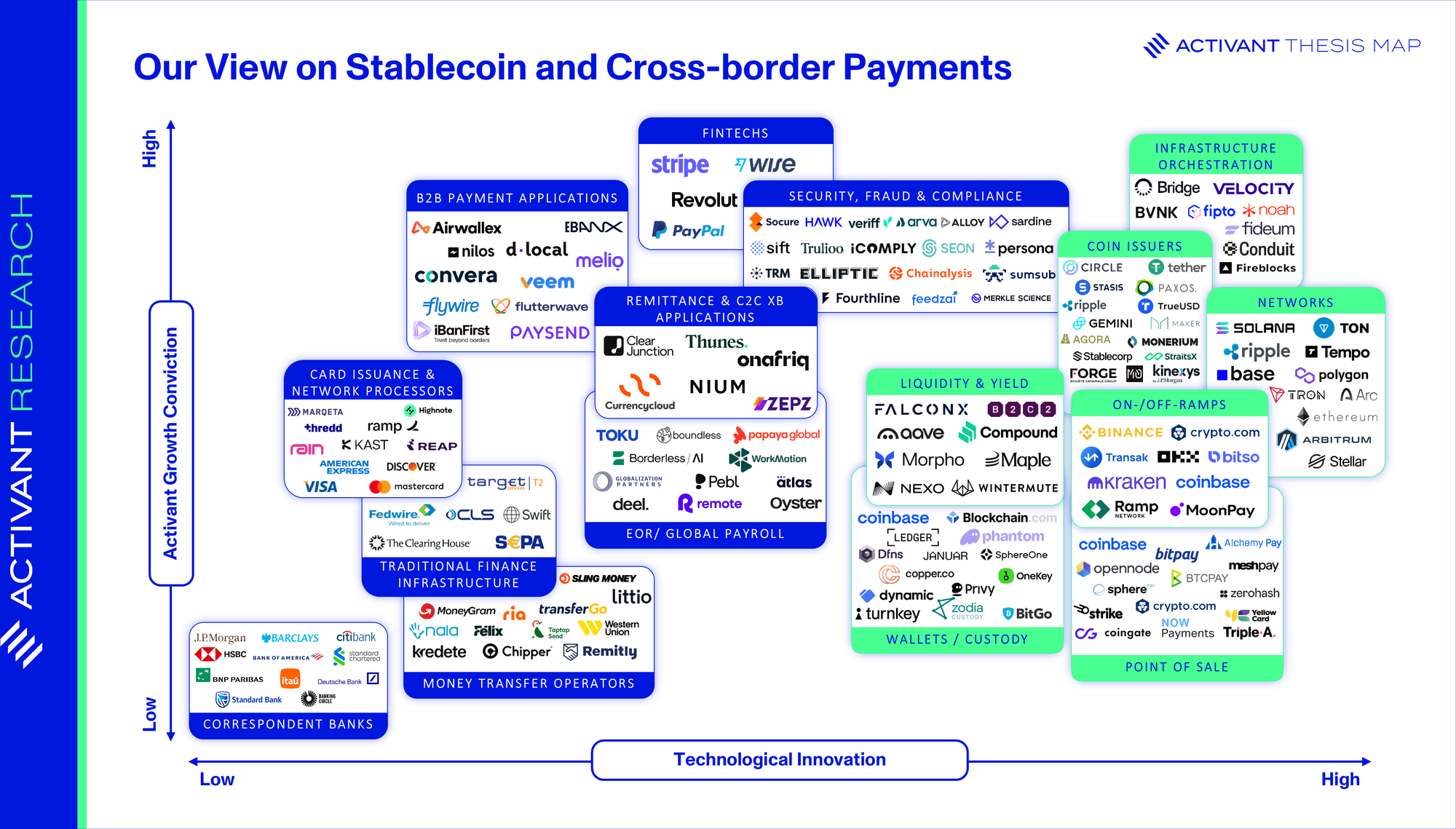
Build your backend using established APIs from providers like Stripe or specialized crypto-native processors. These tools handle the conversion, compliance checks, and settlement automatically. This approach lets you accept stablecoin payments without managing private keys or dealing with direct on-chain transactions.

Price volatility and smart contract vulnerabilities are real threats. Hedge your stablecoin holdings where possible and use multi-signature wallets for treasury management. Regularly audit your integration points against the latest security standards to prevent exploits that could drain user funds.
This infrastructure shift allows businesses to monetize like banks, earning interchange fees and a share of the transaction volume. By building on stable, regulated rails, you position your company to capture value from the growing adoption of digital dollar payments in 2026.
-
Verify issuer’s reserve transparency and regulatory status
-
Test API integrations for uptime and error handling
-
Configure multi-sig wallets for treasury management
-
Audit smart contract interactions with reputable firms
-
Establish user support protocols for on-chain transaction issues
Common questions about stablecoin infrastructure
What is a stablecoin infrastructure? Stablecoin infrastructure refers to the technical systems, APIs, wallets, and protocols that enable businesses to accept, hold, send, and manage stablecoins at scale. Think of it as the backend plumbing that connects traditional business operations to digital currency payments.
What is a native stablecoin? A Bitcoin-native stablecoin is issued on Bitcoin Layer 1, not on Ethereum or Tron. It uses native BTC as collateral, locked in a vault on Bitcoin itself, and never requires your Bitcoin to leave the Bitcoin network or use bridges.
Does the Trump family own a stablecoin? The Trump family receives 75% of net proceeds when WLFI sells tokens and gets a cut of stablecoin profits. By December 2025, the Trumps had profited $1 billion on proceeds, while holding $3 billion worth of unsold tokens.
What are the 4 types of stablecoin? The 2026 roster of stablecoin infrastructure providers is grouped by layer: orchestrators, issuers, rails, custodians, and apps. These layers support the four primary types of stablecoins: fiat-collateralized, crypto-collateralized, algorithmic, and commodity-backed.
No comments yet. Be the first to share your thoughts!