Get native stablecoin infrastructure right
Before deploying any stablecoin solution, you must establish a clear technical and compliance baseline. The infrastructure you choose dictates your settlement speed, regulatory exposure, and operational flexibility. Skipping this phase leads to fragmented systems and hidden integration costs.
Map your settlement requirements
Define whether you need real-time finality or batched processing. Real-time settlement reduces counterparty risk but requires robust liquidity management. Batched processing lowers transaction fees but introduces settlement lag. Choose the model that aligns with your business velocity.
Select a compliant on-ramp provider
Your on-ramp provider handles fiat-to-crypto conversion and KYC/AML verification. Partner with established platforms like Bridge or Rain, which offer enterprise-grade APIs and regulatory compliance. Avoid unregulated exchanges that lack audit trails or insurance coverage.
Audit your smart contract security
Conduct a thorough audit of all smart contracts involved in issuance, redemption, and transfer. Use reputable firms like OpenZeppelin or Trail of Bits. Never deploy untested code to mainnet. A single vulnerability can result in total loss of funds.
Test end-to-end flows
Simulate real-world scenarios including failed transactions, network congestion, and regulatory holds. Ensure your system handles edge cases gracefully. Document all test results for compliance reporting.
Walk through the steps
Setting up native stablecoin infrastructure requires a structured approach to ensure settlement efficiency and regulatory compliance. This guide outlines the essential phases, from selecting the right payment rails to finalizing integration. Following this sequence helps avoid common pitfalls in cross-border liquidity and smart contract security.
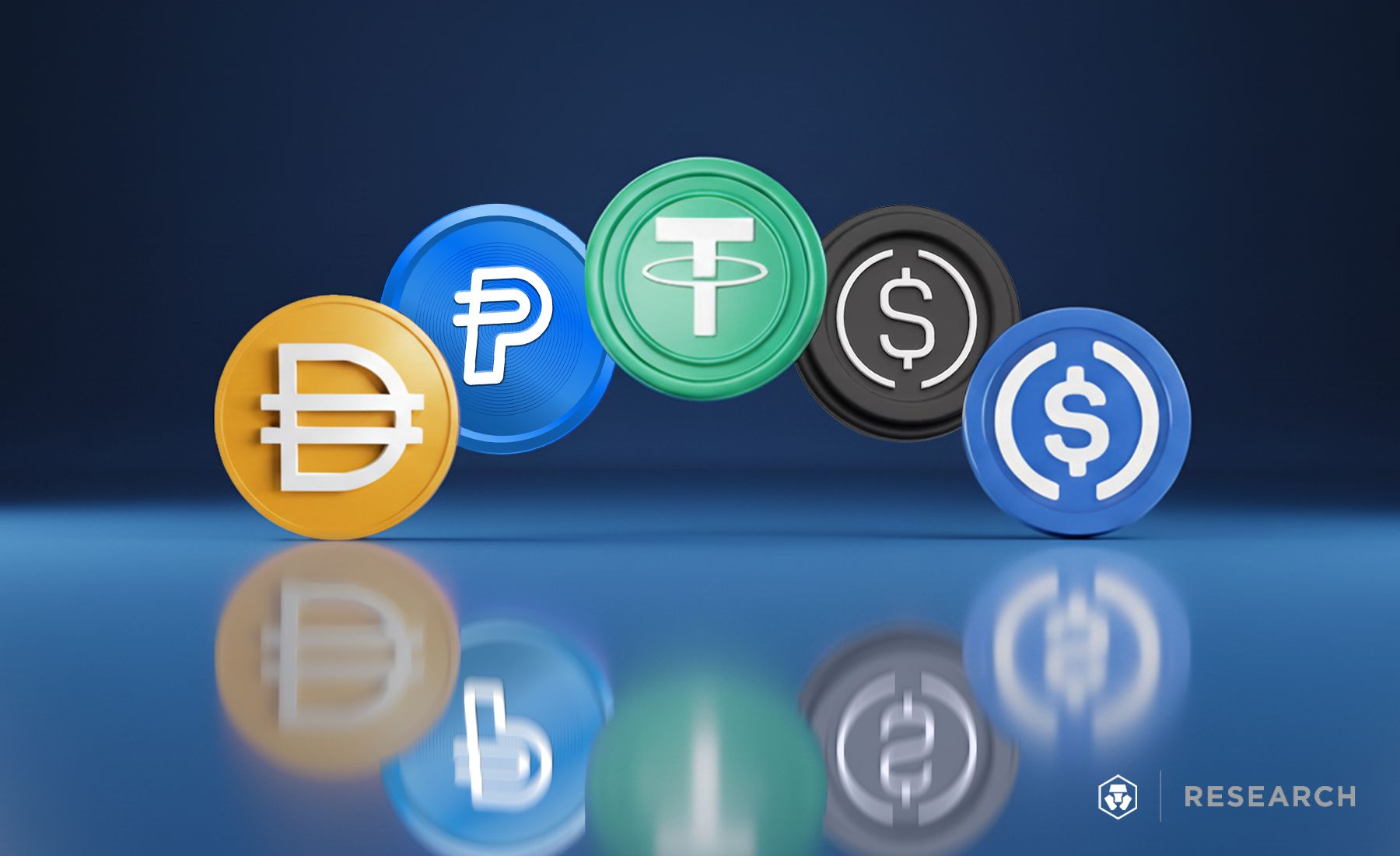
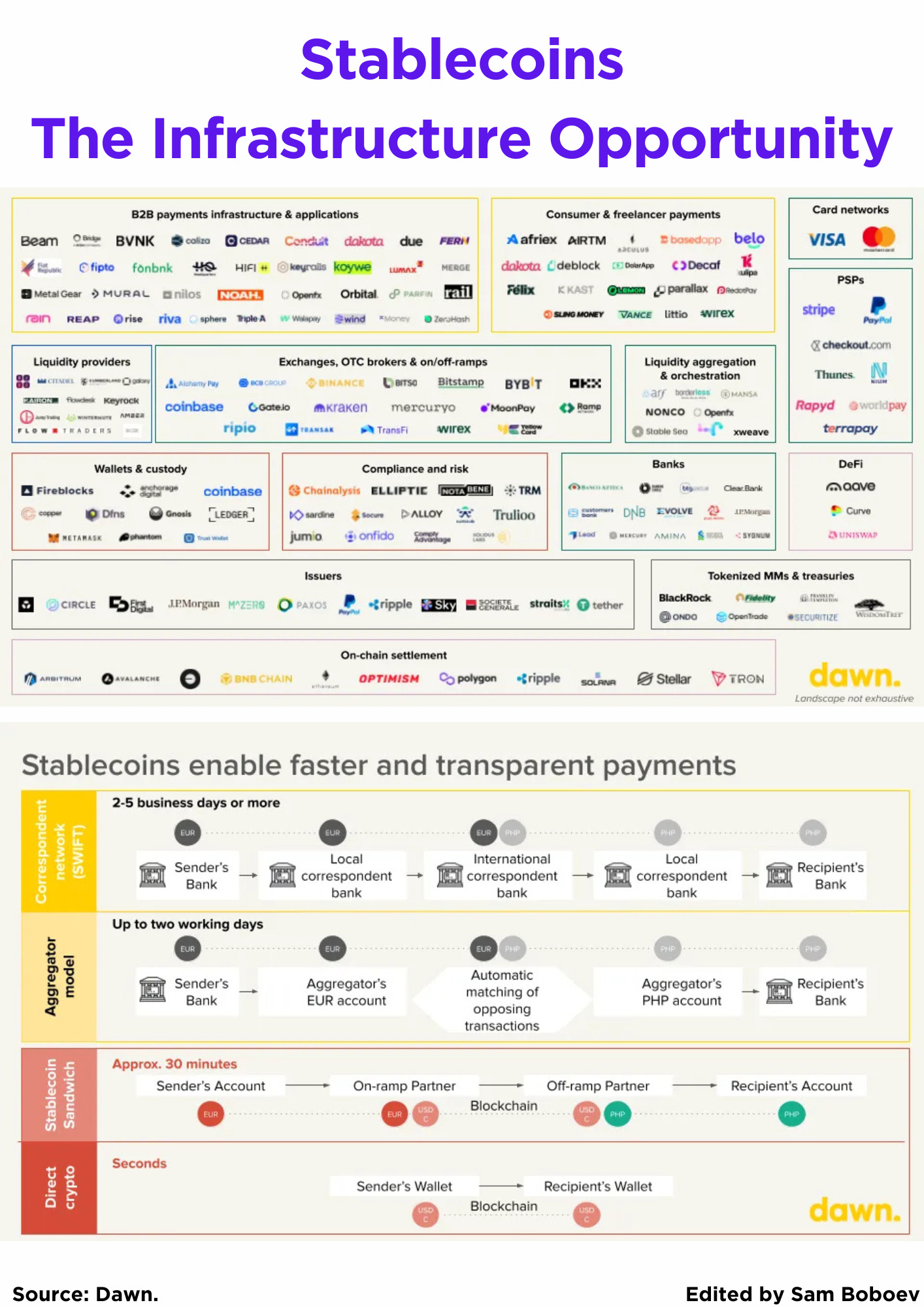
Begin by choosing a stablecoin infrastructure provider that aligns with your operational jurisdiction. Platforms like Bridge or Rain offer APIs designed for enterprise-grade compliance, allowing you to receive, store, and convert stablecoins without managing private keys directly. Evaluate their support for specific chains (e.g., Ethereum, Solana, or Layer 2s) and their regulatory standing in your target markets. Prioritize providers with transparent reserve audits and robust KYC/AML integration to mitigate legal risks.
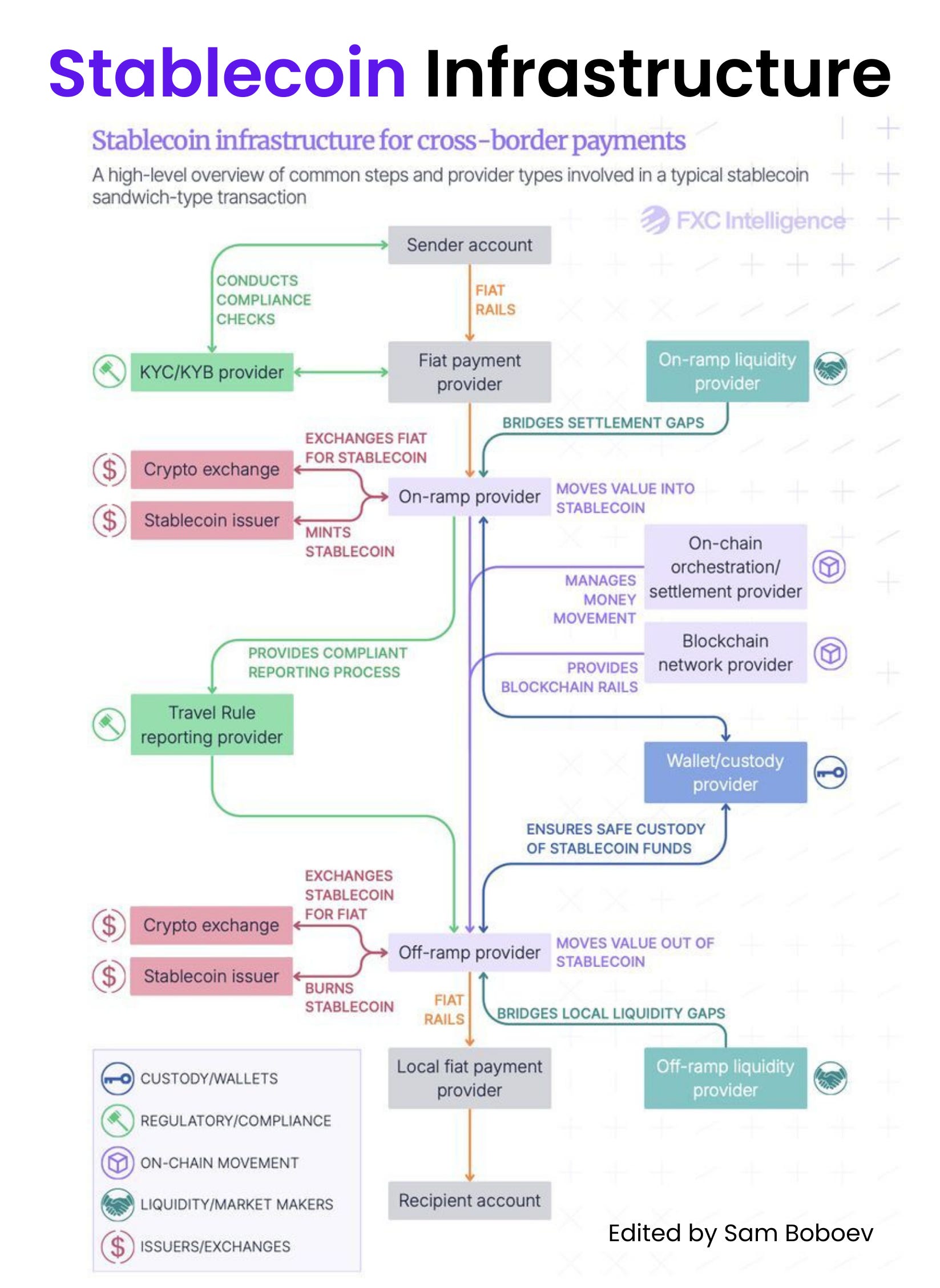
Map out the end-to-end transaction path to minimize latency and fees. Determine whether you need instant fiat on-ramps or if direct stablecoin-to-stablecoin swaps suffice for your use case. Define the smart contract logic for escrow or automated payouts if applicable. Ensure the flow supports multi-signature approvals for high-value settlements to prevent unauthorized transfers. A well-designed flow reduces friction for end-users and clarifies liability in case of failed transactions.

Implement the provider’s API or SDK into your existing financial stack. Focus on idempotency keys to handle network retries safely and webhooks for real-time settlement notifications. Test the integration in a sandbox environment using testnet tokens before moving to mainnet. Verify that error handling covers common issues like insufficient gas, network congestion, or expired transaction hashes. Clean integration code ensures stability during peak market volatility.
Before going live, perform a thorough security review of your smart contracts and API endpoints. Engage a third-party auditor to check for reentrancy vulnerabilities, overflow errors, or access control flaws. Simulate attack vectors to test system resilience. Simultaneously, verify that your transaction monitoring tools flag suspicious activity in real-time. This step is critical for maintaining trust and avoiding regulatory penalties in high-stakes financial environments.

Deploy the infrastructure to production with enhanced monitoring dashboards. Track key metrics like transaction success rates, average settlement times, and gas costs. Set up alerts for abnormal spikes in failed transactions or unusual withdrawal patterns. Establish a rapid response protocol for technical issues or regulatory inquiries. Continuous monitoring allows you to optimize performance and address user concerns proactively, ensuring long-term operational efficiency.
-
Provider selected with regulatory compliance in target jurisdictions
-
Settlement flow mapped with latency and fee optimization
-
API/SDK integrated with idempotency and webhook support
-
Security audit completed by third-party firm
-
Monitoring dashboards active with alert thresholds set
Fix common mistakes in native stablecoin infrastructure
Settlement failures rarely stem from the blockchain itself. They usually come from how the stablecoin infrastructure is wired to your existing systems. When you treat a stablecoin like a traditional bank transfer, you introduce latency, reconciliation errors, and compliance gaps that erode the efficiency you paid for.
The most frequent error is ignoring the difference between token standard and settlement finality. A transaction might broadcast instantly, but if your system assumes it is final before the block is confirmed, you risk double-spending or failed payouts. Always map your internal ledger updates to on-chain confirmation depth, not just transaction visibility.
Another critical mistake is underestimating the complexity of multi-chain bridges. If your infrastructure relies on cross-chain swaps to move liquidity, you are introducing a single point of failure. A bridge exploit or liquidity dry-up can freeze your entire operation. Prefer native issuance or direct liquidity pools over complex bridging protocols whenever possible.
Finally, many teams fail to implement real-time monitoring for stablecoin de-pegging. Your infrastructure must react instantly if a major stablecoin deviates from its $1.00 target. Without automated hedging or fallback mechanisms, a brief de-peg can result in immediate, unrecoverable losses for your business and your customers.
Native stablecoin infrastructure: what to check next
Before committing to a settlement rail or issuer, teams often hit the same friction points. These answers address the practical tradeoffs between compliance, speed, and liquidity fragmentation.
Helpful gear
Use these product recommendations as a starting point, then choose the size, material, and price point that fit how you actually use the gear.

As an Amazon Associate, we may earn from qualifying purchases.
No comments yet. Be the first to share your thoughts!