Native stablecoin strategy
The core of a native stablecoin strategy is minimizing trust assumptions by keeping value settlement on the base layer. Unlike bridged assets that rely on external custodians or complex cross-chain protocols, native stablecoins are issued and supported directly by the underlying blockchain. This approach reduces counterparty risk and simplifies the technical stack for cross-border payments.
To execute this strategy effectively, focus on three key constraints. First, ensure the stablecoin is issued on the primary chain, not a sidechain or bridge. Second, verify that collateral remains locked within the native network, eliminating the need for assets to leave the ecosystem. Third, prioritize wallets that allow users to create accounts at the point of withdrawal, which significantly improves adoption among non-crypto native users.
By adhering to these constraints, you build a settlement layer that is both secure and efficient. This method avoids the fragmentation and latency associated with multi-chain bridges, providing a more robust foundation for global transactions.
Native stablecoin strategy choices that change the plan
When integrating on-chain settlement for cross-border payments, you must weigh the technical and economic realities of native stablecoins against wrapped alternatives. Native stablecoins—those issued directly on the base layer like Bitcoin or Sui—reduce trust assumptions by eliminating bridge risks. However, they often introduce integration complexity and lower liquidity compared to established ERC-20 tokens. This section breaks down the concrete factors you should evaluate before committing infrastructure.
Liquidity and Settlement Depth
Liquidity is the primary constraint for cross-border efficiency. Wrapped stablecoins on Ethereum or Solana benefit from deep order books and institutional market makers, ensuring tight spreads even during volatility. Native stablecoins, particularly those on newer or specialized chains like Sui, may face shallower liquidity pools. This can lead to higher slippage for large transfers, directly impacting the cost basis for your users. You must verify that the native token has sufficient depth to handle your expected transaction volume without significant price impact.
Bridge Risk and Security
The core value proposition of a native stablecoin is the elimination of bridge risk. Wrapped assets require custodial or smart-contract bridges to move value between chains, creating attack vectors and single points of failure. Native tokens reside on the base layer, meaning the collateral (e.g., BTC) never leaves the network. This reduces the "trust assumptions" readers need to make about third-party validators. However, this security benefit comes with the tradeoff of limited composability; native tokens may not integrate as seamlessly with existing DeFi protocols designed for standard token interfaces.
User Experience and Adoption
Adoption hinges on friction. Non-crypto native users often struggle with wallet creation and gas management. Enabling users to create a wallet at the point of withdrawal can improve adoption, but native stablecoins often require specific chain support in fiat on-ramps. If your payment partners only support ERC-20 USDC, a native BTC-backed stablecoin becomes a secondary, less convenient option. You must assess whether your target audience prioritizes the security of native settlement or the ubiquity of wrapped assets.
| Factor | Native Stablecoin | Wrapped Stablecoin |
|---|---|---|
| Trust Model | Minimal (base-layer collateral) | High (bridge/custodian dependent) |
| Liquidity Depth | Varies (often lower) | High (mature markets) |
| Integration Complexity | High (chain-specific SDKs) | Low (standard ERC-20) |
| Bridge Risk | None | Significant |
Cost Efficiency
Transaction costs vary significantly by chain. Native stablecoins on high-throughput networks like Sui or Solina can offer near-zero fees, making them ideal for micro-payments. In contrast, wrapped stablecoins on Ethereum L1 can incur prohibitive gas fees during peak times. However, if you use an L2 for wrapped assets, costs may converge. Evaluate the total cost of ownership, including gas, slippage, and conversion fees, rather than just the headline transaction fee.
Strategic Recommendation
For cross-border payments, prioritize native stablecoins if your primary goal is security and you operate on a chain with sufficient liquidity. If you need broad interoperability and access to deep liquidity pools, wrapped stablecoins remain the pragmatic choice. Consider a hybrid approach: use native tokens for internal settlement and wrapped tokens for external fiat on-ramps to balance security with usability.
Choose the next step
Turning research into a practical decision framework requires mapping your settlement needs to the correct stablecoin type. A Bitcoin-native stablecoin is one that meets three conditions: it is issued on Bitcoin Layer 1, uses native BTC as collateral locked in a vault on Bitcoin itself, and never requires your Bitcoin to leave the Bitcoin network.
This approach reduces trust assumptions by being issued and supported on the host chain directly. To decide your path, follow this ordered task sequence.
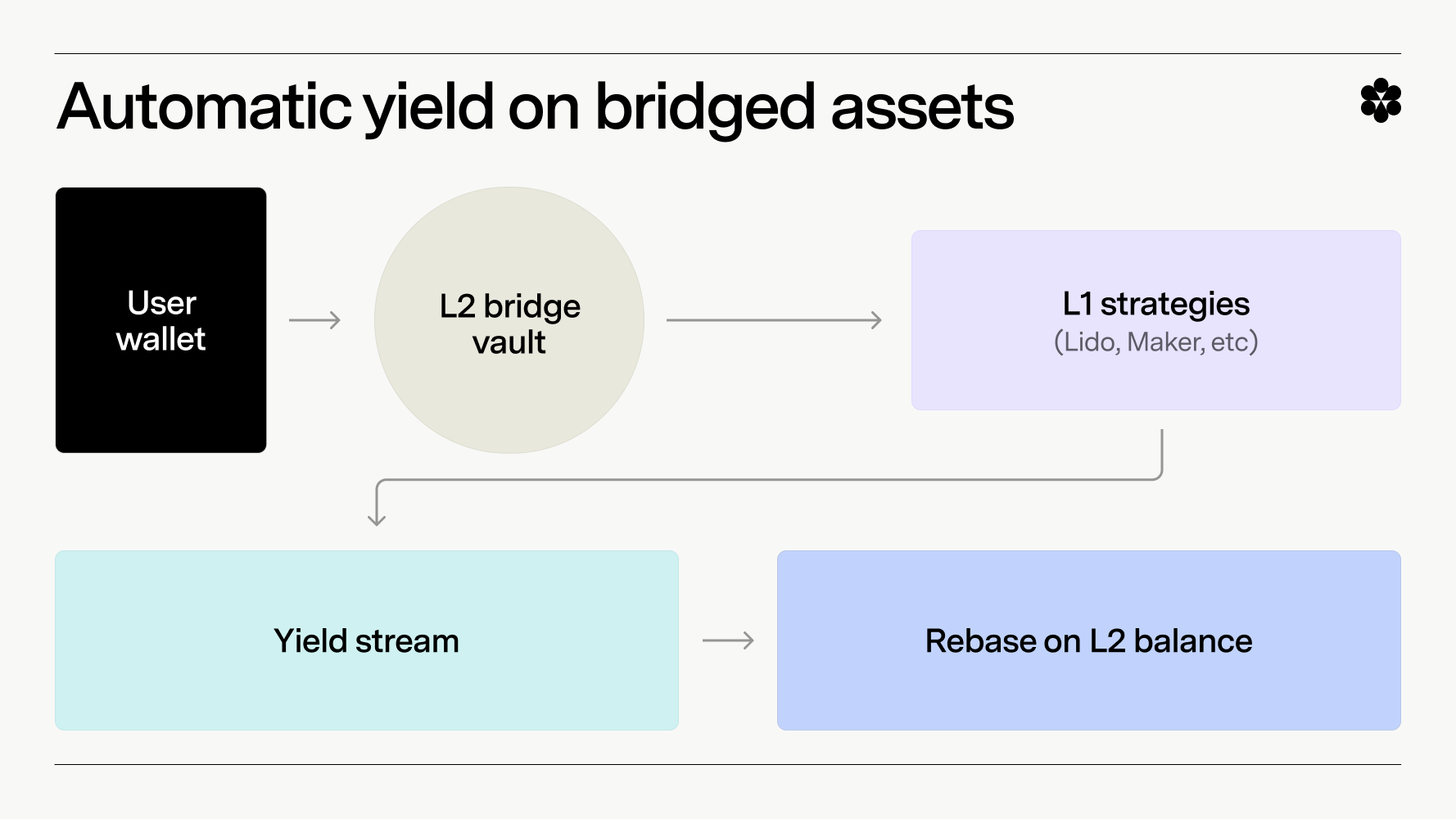
Determine if your treasury or settlement flow is anchored to a specific asset like Bitcoin or Solana. If you hold BTC, a Bitcoin-native stablecoin ensures you never bridge your primary collateral. This maintains your exposure while providing a USD-equivalent settlement layer.

Choose between fiat-backed, crypto-backed, or algorithmic models. For high-stakes cross-border payments, fiat-backed or overcollateralized crypto models provide the stability needed for B2B transactions. Avoid algorithmic models for critical settlement paths due to peg instability risks.

For stablecoin payouts, consider enabling users to create a wallet at the point of withdrawal. This improves adoption among non-crypto native users who may not have pre-existing wallets. Seamless onboarding reduces friction at the critical moment of fund receipt.
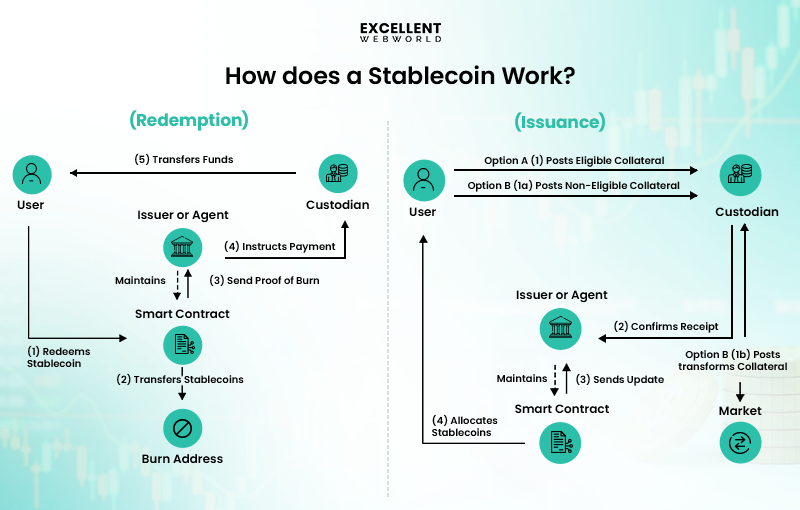
Test the full lifecycle: minting, transfer, and redemption. Ensure the settlement path aligns with your compliance requirements. Verify that the stablecoin issuer provides regular attestation reports to confirm reserves are fully backed.


As an Amazon Associate, we may earn from qualifying purchases.
Watch out for weak stablecoin options
Integrating on-chain settlement sounds straightforward until you hit the implementation details. Many platforms market "native" stability but rely on wrapped assets or external bridges that reintroduce the very counterparty risks you are trying to eliminate. This section highlights the specific traps that undermine cross-border payment efficiency.
Trust assumptions and bridge risks
A true native stablecoin is issued and supported directly on the underlying chain, such as Sui or Bitcoin Layer 1, using native collateral locked on-chain. If a platform claims native status but uses a bridge to move value from another network, you inherit bridge vulnerability. Bridges are frequent targets for exploits. Always verify that the stablecoin does not require assets to leave the primary network.
Weak integration patterns
Some providers force users to create wallets at the point of withdrawal to capture adoption. While this improves user onboarding for non-crypto natives, it creates friction and increases drop-off rates. A better approach integrates wallet creation seamlessly into the existing payment flow. If your settlement layer requires manual wallet setup for every transaction, the user experience is likely broken.
Misleading "native" claims
Not all fiat-backed tokens are created equal. Some stablecoins are issued on Ethereum but claim "global" reach without addressing gas fees or settlement times on Layer 2. For cross-border payments, settlement speed and cost matter more than brand recognition. Check if the stablecoin’s peg is maintained by on-chain reserves or off-chain bank accounts. Off-chain reserves require trust in a third party, defeating the purpose of on-chain settlement.
Native stablecoin strategy: what to check next
Integrating native stablecoins for cross-border payments requires clarifying how they differ from wrapped assets and understanding the regulatory headwinds. These practical answers address the most common objections before you commit to a settlement layer.
No comments yet. Be the first to share your thoughts!