Map payment rails and liquidity needs
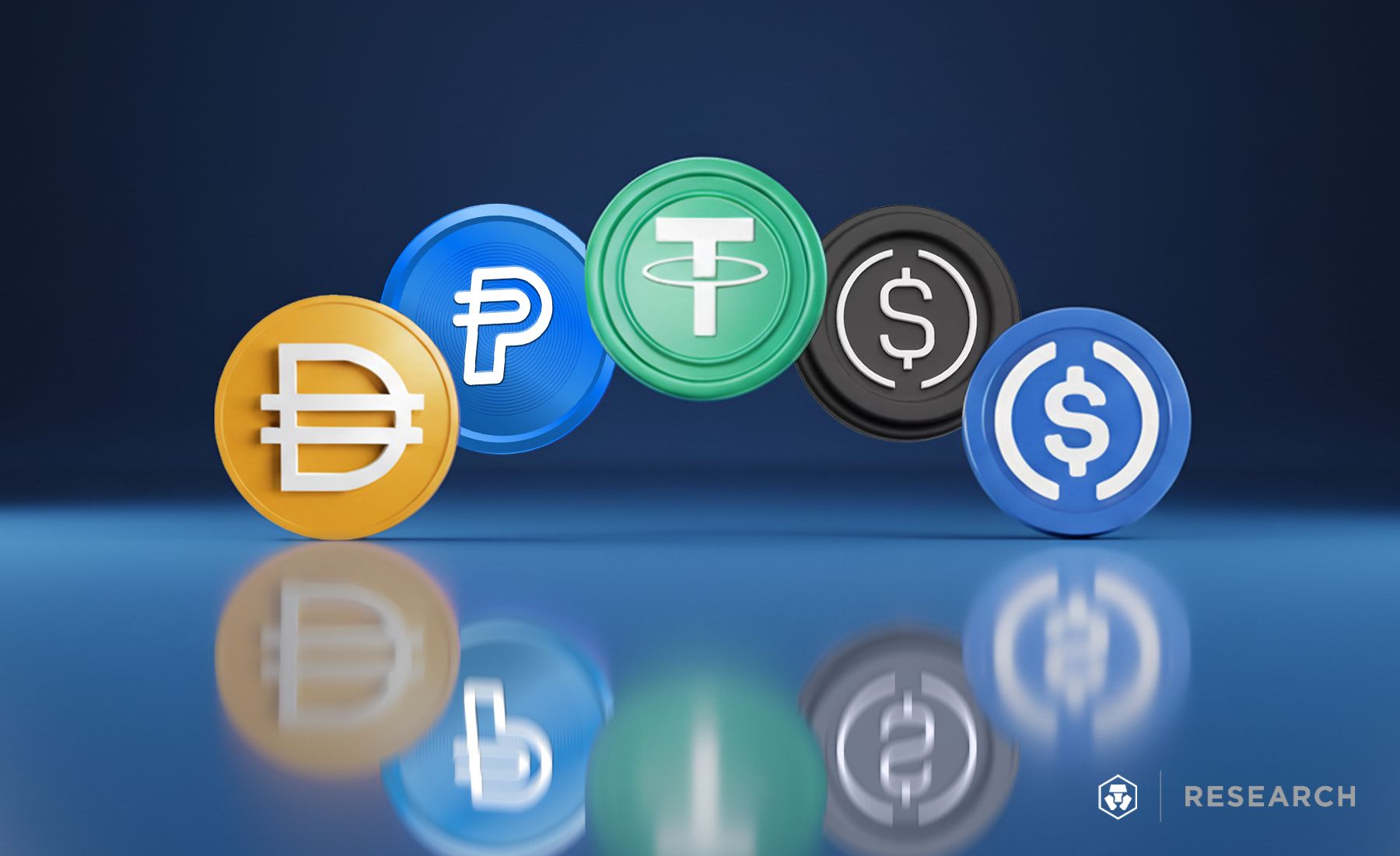
Before integrating stablecoins, you must map the specific payment rails and liquidity pools required for your settlement infrastructure. Stablecoins are not a single monolithic asset; they are a set of software protocols running on different networks. Choosing the wrong rail creates friction, higher costs, and settlement delays.
Start by identifying where your counterparties actually hold funds. If your users are primarily on Solana, building on Ethereum mainnet introduces unnecessary gas costs and latency. If your enterprise clients operate in cross-border B2B payments, liquidity depth on USDC or USDT across multiple chains becomes critical. You need enough liquidity on the chosen chain to absorb large settlements without significant slippage.
Consider the regulatory and technical constraints of each network. Some chains offer faster finality but less institutional oversight. Others provide robust compliance tooling but slower transaction speeds. Map these variables against your volume and speed requirements to select the primary rail. Secondary rails can serve as backups, but complexity increases operational risk.
The goal is to match the settlement layer to the business use case, not the other way around. A mismatch here forces you to patch the infrastructure later, which is far more expensive than getting it right initially.
Integrate custody and compliance layers
Before you process your first transaction, you need to secure the assets and satisfy regulatory requirements. This section walks you through the critical steps of integrating custody solutions and compliance layers into your settlement infrastructure.

Choose a custodian that meets your security and compliance needs. Look for providers with SOC 2 Type II certification and clear insurance coverage. Fireblocks and Copper are popular choices for their multi-party computation (MPC) technology, which eliminates single points of failure.
Integrate a Know Your Customer (KYC) and Anti-Money Laundering (AML) solution. This step ensures that your users are verified before they can interact with your stablecoin. Tools like Sumsub or Onfido can automate identity verification and sanctions screening.
Set up real-time transaction monitoring to detect suspicious activity. This system should flag unusual patterns, such as rapid transfers or large volumes, for manual review. Compliance with the SEC’s framework for stablecoin regulation is essential to avoid legal issues.
Run thorough tests in a sandbox environment before going live. This includes testing edge cases, such as failed transactions and network congestion. Ensure that your custody and compliance layers work seamlessly together under load.
Start with a small group of trusted users to identify any remaining issues. Monitor their transactions closely and gather feedback. Once you are confident in the system’s stability, you can expand to a wider audience.


As an Amazon Associate, we may earn from qualifying purchases.
Configure automated settlement workflows
Manual reconciliation creates bottlenecks and increases the risk of human error. By automating settlement workflows, you reduce operational friction and ensure funds move predictably across your infrastructure. This step focuses on connecting your stablecoin contracts to your internal ledger systems.
Identify the specific events that initiate a settlement. Common triggers include successful on-chain confirmations, customer KYC completion, or batch processing windows. Define these triggers clearly in your system architecture to ensure no transaction is missed or processed prematurely. Reference Stripe’s infrastructure guidelines to understand standard event types for stablecoin integrations.
Set up webhooks or node listeners to capture on-chain events in real time. When a stablecoin transfer occurs, your system should automatically update the corresponding internal account balance. This synchronization must be idempotent to prevent duplicate entries if a transaction is reprocessed or a webhook fails.
Automation isn’t foolproof. Build a nightly reconciliation process that compares your internal ledger balances against the on-chain state. Flag any discrepancies for manual review. This safety net catches issues like failed transfers or network delays before they impact customer accounts or financial reporting.
Integrate compliance tools directly into the settlement flow. Before finalizing a transfer, the system should automatically check for sanctions list matches or suspicious activity patterns. This ensures that automated settlements remain compliant with regulatory standards without requiring manual intervention for every transaction.
A pre-launch checklist ensures your automation is robust before handling real funds.
-
Verify webhook endpoints are secure and authenticated
-
Test idempotency with duplicate transaction simulations
-
Confirm reconciliation scripts handle edge cases
-
Ensure compliance checks run before final settlement
Automating these workflows transforms settlement from a manual burden into a reliable, scalable engine. Focus on accuracy and compliance at every step to maintain trust with your users and regulators.
Monitor network fees and settlement times
Tracking performance metrics ensures your settlement infrastructure remains cost-efficient and fast. You need to watch two main variables: the transaction fees charged by the blockchain and the actual time it takes for funds to settle.
Start by observing gas fees on your target chain. Ethereum mainnet fees fluctuate wildly based on network congestion, while Layer 2 solutions like Arbitrum or Optimism offer significantly lower costs. Use a block explorer like Etherscan to check current gas prices before initiating large transfers. If fees spike, consider batching transactions or moving activity to a cheaper network. For a visual reference on historical fee trends, see the ETH gas chart below.
Next, measure settlement finality. This is the time from when you broadcast a transaction to when it is considered irreversible. Bitcoin takes roughly 10 minutes for the first confirmation, while Solana settles in seconds. Stablecoins on Ethereum require 12-15 seconds per block, but you should wait for 12-20 confirmations for high-value settlements to ensure security. Compare these times against your operational needs; if you need instant liquidity, Ethereum may be too slow compared to Solana or Polygon.
Settlement Comparison
Use this table to compare typical performance metrics across major networks for stablecoin settlements.
| Network | Avg. Fee (USD) | Settlement Time | Blocks for Finality |
|---|---|---|---|
| Ethereum Mainnet | $2.00 - $15.00 | 12-15 seconds | 12-20 |
| Arbitrum One | $0.10 - $0.50 | 1-2 seconds | 1 |
| Solana | $0.001 | < 1 second | 1 |
| Bitcoin | $1.00 - $10.00 | 10 minutes | 6 |
Key Takeaways
- Monitor gas prices before large transfers to avoid unexpected costs.
- Choose a network based on your required settlement speed and finality.
- Use block explorers to track real-time network congestion. How often should I check network fees? Check fees before every large transaction. For frequent small transfers, monitor them daily to identify optimal windows.
What is the difference between speed and finality? Speed is how long it takes for a transaction to appear confirmed. Finality is when the transaction is irreversible. Always wait for sufficient finality for high-value settlements.
Which network is best for low fees? Layer 2 solutions like Arbitrum or Optimism, and networks like Solana, offer the lowest fees. Ethereum mainnet is the most expensive but offers the highest security.
Common Integration Mistakes
Building stablecoin infrastructure requires more than just connecting a wallet. The most frequent error is assuming regulatory clarity where none exists. The SEC and international bodies are still defining the lines between payment tokens and securities. Treating stablecoins as a simple utility token can lead to compliance failures. You must map your jurisdiction’s specific requirements before writing a single line of code.
Another pitfall is underestimating the complexity of off-ramp liquidity. Many teams focus on on-chain settlement but fail to secure reliable fiat rails. If your users cannot exit to a bank account efficiently, the token’s utility collapses. Always test your liquidity providers during high-volatility periods to ensure settlements clear on time.
Finally, do not ignore smart contract upgradeability risks. While upgradability allows for bug fixes, it introduces centralization concerns. Users may hesitate to hold assets if they cannot verify the contract’s immutable state. Document your governance process clearly and consider multi-signature controls to maintain trust.
Frequently asked questions about stablecoin rails
Are stablecoins safe for enterprise use?
Stablecoins are programmable, internet-native assets designed for global accessibility and financial inclusion [src-serp-5]. For enterprise settlement, safety depends on the underlying reserve structure and regulatory compliance of the issuer. Always verify that the stablecoin is fully backed by high-quality liquid assets before integrating it into your settlement infrastructure.
How do stablecoins compare to traditional fiat rails?
Unlike traditional fiat transfers that rely on correspondent banking networks, stablecoins settle on-chain with near-instant finality. This reduces settlement risk and operational friction. However, they require robust digital custody solutions and strict adherence to anti-money laundering (AML) protocols, which differs from standard banking workflows [src-serp-2].
Which stablecoins are best for cross-border payments?
Fiat-backed stablecoins are the standard for institutional payments due to their direct peg to reserve currencies. They offer the stability required for B2B transactions while leveraging blockchain efficiency. Choose issuers with transparent audit trails and clear regulatory standing to mitigate counterparty risk.
No comments yet. Be the first to share your thoughts!