Get native stablecoin infrastructure right
Before building or integrating, you must align your technical stack with regulatory reality. Native stablecoin infrastructure is not a plug-and-play API; it is a compliance-heavy settlement layer. If you treat it like a standard payment processor, you will face friction in onboarding, liquidity, and legal exposure.
Start by defining your jurisdictional scope. Stablecoin regulations vary wildly between the EU (MiCA), the US (state-level money transmitter laws and federal proposals), and Asia. Your choice of blockchain network—whether Ethereum, Solana, or a private ledger—must support the specific identity and reporting standards required in those regions. A network that lacks native KYC/AML hooks will force you to build expensive off-chain wrappers.
Next, select your stablecoin issuer and reserve custodian. Not all stablecoins are equal. USDC and USDT offer liquidity but come with different compliance baggage. Newer native assets may offer better regulatory clarity but suffer from lower liquidity. Ensure your infrastructure can handle multi-asset settlement if you plan to support multiple tokens. The cost of bridging or swapping assets on-chain can erode margins if not accounted for in your initial architecture.
Finally, audit your smart contract security and oracle dependencies. Native stablecoins rely on on-chain logic for transfers, burns, and mints. A single vulnerability can freeze funds or expose user data. Use established, audited contracts where possible. If you are building custom logic, engage multiple reputable security firms before mainnet deployment. This is not a place to iterate quickly; one mistake can end your company.

Identify every region where you will onboard users. Map their specific AML/KYC requirements to your technical capabilities. If a region requires real-time transaction reporting, your infrastructure must support it natively, not via batch processing.
Choose a stablecoin with sufficient liquidity and regulatory standing in your target markets. Pair it with a blockchain that supports your compliance needs. Avoid chains that require complex, unverified bridges for core settlement functions.

Engage at least two independent security firms to review your implementation. Test for reentrancy, oracle manipulation, and access control flaws. Do not deploy until all critical and high-severity issues are resolved.
Set up native stablecoin infrastructure in 2026
Building native stablecoin infrastructure requires aligning technical settlement with regulatory compliance. Unlike legacy rails, onchain money movement demands real-time visibility into fund flows and strict adherence to jurisdictional rules. This guide walks through the essential steps to deploy a compliant stablecoin payment system.
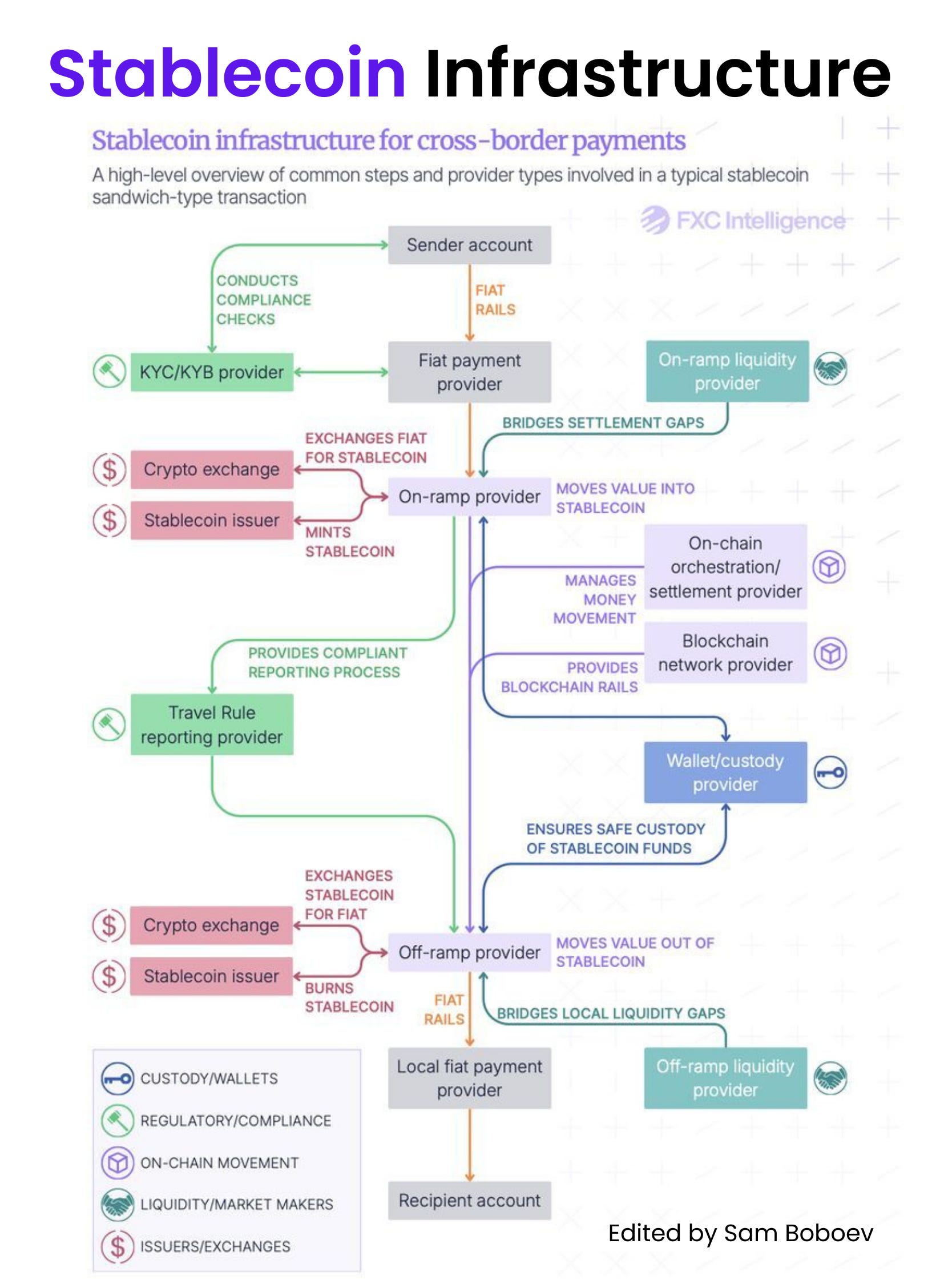
Start by selecting a platform designed for onchain money movement rather than retrofitting legacy systems. Providers like Rain and Bridge offer end-to-end solutions for receiving, storing, and converting stablecoins. Evaluate these platforms based on their support for your target chains and their ability to handle enterprise-grade payment flows without the friction of traditional banking rails.
Compliance is not an afterthought; it is the foundation of stablecoin infrastructure. Integrate real-time screening tools to verify user identities and monitor transactions for suspicious activity. Ensure your system can generate audit trails that satisfy regulatory bodies in every jurisdiction where you operate. This step prevents costly fines and ensures your infrastructure remains operational during regulatory shifts.

Define how funds move through your system. Native stablecoin infrastructure allows for instant settlement, but you must configure conversion paths to handle currency fluctuations or fiat off-ramps. Use APIs to automate these processes, ensuring that users can spend or hold stablecoins seamlessly. This configuration reduces operational overhead and improves the user experience by minimizing friction during transactions.
Before full deployment, run controlled tests to verify settlement speeds and compliance checks. Simulate various scenarios, including high-volume transactions and edge cases like failed conversions. This testing phase identifies potential bottlenecks or compliance gaps. It ensures that your infrastructure performs reliably under real-world conditions and that your regulatory checks trigger correctly.
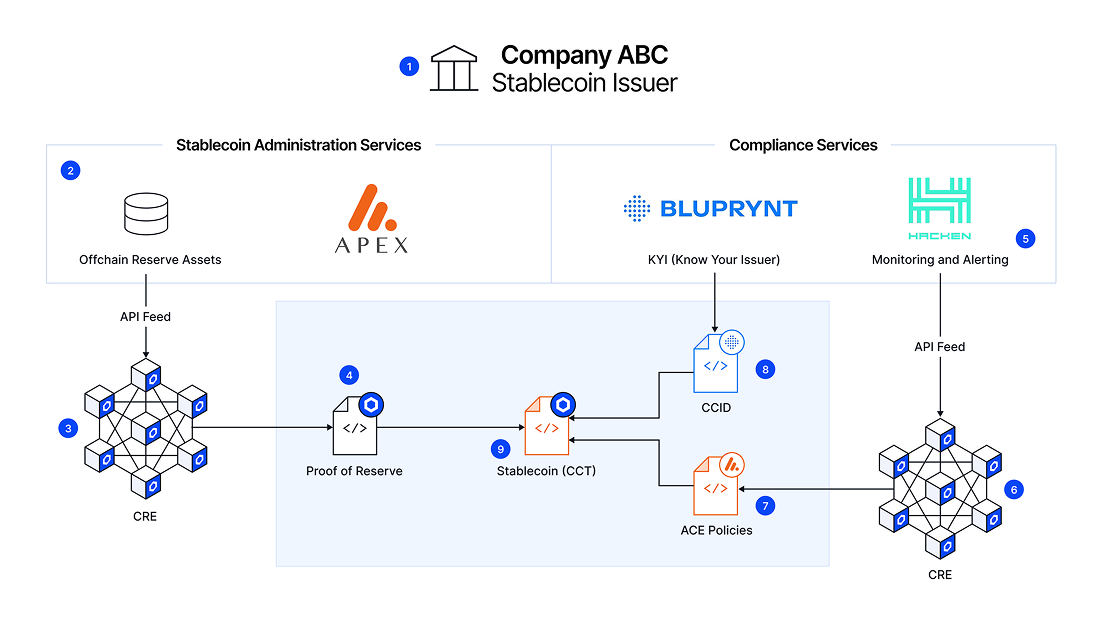
Once live, maintain continuous monitoring of your stablecoin infrastructure. Track transaction volumes, settlement times, and compliance flags to detect anomalies early. Regularly update your system to adapt to changes in stablecoin regulations and technological advancements. This ongoing vigilance ensures your infrastructure remains secure, compliant, and efficient over time.
Fix common mistakes
Even with robust infrastructure from providers like Rain or Bridge, implementation errors can stall settlement or trigger regulatory flags. Avoid these pitfalls during deployment.
Using unverified bridges for cross-chain moves
Routing stablecoin transactions through unverified or low-liquidity bridges introduces significant counterparty risk. If a bridge is compromised, funds are lost with little recourse. Always verify bridge audits and choose established, high-liquidity channels.
Ignoring real-time compliance checks
Settlement speed means little if transactions are frozen by compliance holds later. Integrate real-time screening tools that check addresses against sanctions lists (OFAC, EU) before finalizing on-chain moves. Pre-clearing transactions prevents costly reversals and account freezes.
Overlooking gas fee volatility
Assuming constant transaction costs leads to budget overruns during network congestion. Implement dynamic fee estimation that adjusts for peak times. For high-volume enterprise flows, consider layer-2 solutions or dedicated nodes to maintain predictable costs and faster finality.
Native stablecoin infrastructure: what to check next
Stablecoin adoption hinges on clear answers to common regulatory and technical hurdles. Below, we address the most frequent questions regarding market dominance, ownership, institutional resistance, and asset classification.
Helpful gear
Use these product recommendations as a starting point, then choose the size, material, and price point that fit how you actually use the gear.

As an Amazon Associate, we may earn from qualifying purchases.
No comments yet. Be the first to share your thoughts!