Why native stablecoins change settlement
The landscape of on-chain money is shifting from bridged wrappers to native issuance. For years, the industry relied on wrapped assets—tokens representing a stablecoin on a chain where it wasn't originally issued. This approach introduced unnecessary friction and trust layers. By 2026, leading Layer 1s like Sui are prioritizing native stablecoins, which are issued and supported directly on the base layer.
This shift matters because it strips away the middlemen. Native stablecoins reduce trust assumptions significantly. Instead of relying on third-party bridges or complex smart contract wrappers, the asset exists natively within the blockchain's infrastructure. This reflects a maturing DeFi environment where efficiency and security are paramount. The result is faster finality and lower risk of bridge exploits, which have historically plagued cross-chain transactions.
The implications extend beyond mere technical efficiency. Native infrastructure allows for deeper integration with financial primitives. As stablecoins evolve from simple DeFi utilities into global financial infrastructure, they can leverage native wallets and payment rails more effectively. This enables new monetization models, such as interchange fees, that mirror traditional banking services but operate on-chain with greater transparency.
To understand the current market dynamics, we can look at the stability and volume of major stablecoins like USDC.
Choosing your settlement use case
Stablecoins are not a one-size-fits-all solution. Before you commit to a native infrastructure, you need to decide what you are actually settling. The three primary use cases—B2B payouts, cross-border consumer payments, and DeFi yield strategies—require fundamentally different on-chain approaches. Each carries its own regulatory footprint and technical demands.
B2B payouts and supply chain
For business-to-business transactions, the priority is usually volume and reconciliation. Native settlement allows companies to pay suppliers in stablecoins, bypassing the friction of traditional correspondent banking. This is particularly effective for recurring invoices where speed matters. The key here is integrating with existing ERP systems so the stablecoin movement looks like a standard wire to the accounting team.
Cross-border consumer payments
Consumer payments prioritize accessibility and low cost. As noted by Stripe, stablecoins offer a faster, cheaper, and always-on alternative to traditional global money movement without introducing new volatility [Stripe]. However, the challenge isn't just the blockchain; it's the off-ramp. You need at least three times your expected daily volume in local currency liquidity to handle redemptions smoothly [BVNK]. If the local currency liquidity dries up, the stablecoin becomes useless to the end user.
DeFi yield strategies
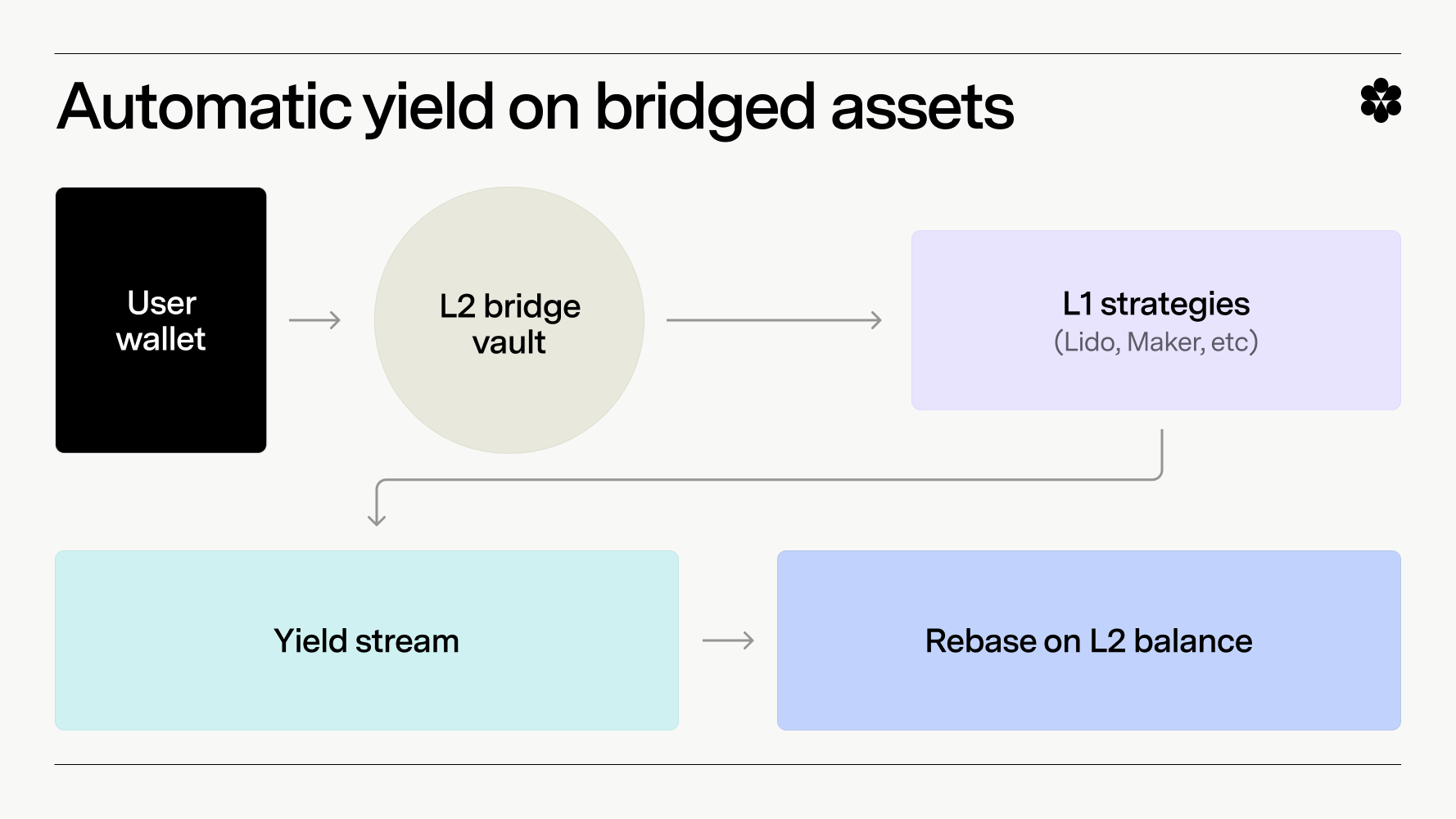
The third path is using stablecoins as yield-generating assets within DeFi protocols. This turns idle capital into productive work. Recent analyses show that chain operators can give users automatic returns by integrating native yield mechanisms directly into the wallet layer [Conduit]. This approach requires a deeper understanding of smart contract risk and protocol security, as the funds are exposed to the underlying DeFi infrastructure rather than just settlement rails.
Comparison table
| Use Case | Primary Goal | Regulatory Complexity | Key Infrastructure Need |
|---|---|---|---|
| B2B Payouts | Speed & Reconciliation | Medium | ERP Integration |
| Consumer Payments | Cost & Accessibility | High | Local Currency Liquidity |
| DeFi Yield | Capital Efficiency | Low (Protocol Risk) | Smart Contract Audits |
Designing the on-chain payment rails
Building native stablecoin infrastructure requires more than just smart contracts. It demands a robust operational backbone that handles fiat on-ramps, local currency liquidity, and seamless wallet integration. The goal is to create a settlement layer that feels as instant as a credit card swipe while maintaining the transparency of blockchain. Here is how to structure those rails.
Stablecoin liquidity is secondary to local currency availability. If your users in the US need to settle in USD, you must ensure your liquidity providers have sufficient fiat reserves. Industry standards suggest maintaining a local currency buffer equal to at least three times your expected daily transaction volume. This prevents settlement failures during market volatility or high-volume periods.

Friction kills adoption. Instead of forcing users to pre-fund external wallets, enable wallet creation directly at the point of transaction. This approach, often called "wallet-on-ramp," allows non-crypto-native users to interact with stablecoins without managing private keys or seed phrases initially. It significantly reduces drop-off rates during the onboarding phase.

Stablecoins do not operate in a vacuum. They must connect to traditional financial rails like FedNow or RTP (Real-Time Payments) for fiat entry and exit. Ensure your smart contracts can detect incoming fiat notifications and trigger on-chain minting or burning events automatically. This synchronization is critical for maintaining peg stability and user trust.

Every step of the rail design must align with current regulations, such as the GENIUS Act requirements for stablecoin issuers. Implement automated monitoring for transaction patterns that might trigger AML (Anti-Money Laundering) flags. Regular audits of your smart contracts and off-chain liquidity pools are non-negotiable for high-stakes financial operations.
Navigating the 2026 regulatory landscape
The regulatory environment for stablecoins is shifting from theoretical debate to enforceable reality. At the center of this shift is the GENIUS Act, which establishes a clear framework for stablecoin issuers to operate as regulated financial entities. For banks and credit unions, this isn't just about compliance; it's about defining how native infrastructure integrates with existing settlement rails.
The GENIUS Act requires issuers to maintain 1:1 reserves in high-quality liquid assets, primarily short-term Treasuries and cash. This requirement eliminates the ambiguity that previously surrounded algorithmic or partially backed stablecoins. Banks must now ensure their native stablecoin strategies align with these reserve standards, treating them with the same rigor as traditional deposit liabilities.
However, regulations alone do not dictate strategy. The five critical decisions banks must make—reserve management, custody solutions, interoperability, compliance reporting, and yield generation—must be executed in parallel with operational readiness. The GENIUS Act sets the rules of the road, but the bank's internal architecture determines whether it can drive on it.
Crucially, the act emphasizes that stablecoin settlement should complement, not replace, existing real-time payment systems like FedNow or RTP. Banks are advised to view native stablecoins as an additional layer for cross-border or programmable payments, rather than a direct substitute for domestic instant payments. This layered approach minimizes disruption while capturing the efficiency gains of blockchain settlement.
The institutional guide to stablecoin yield highlights that native stablecoin yield mechanics differ significantly from traditional money market funds. Yield is generated through the underlying reserve assets, not through lending or leverage. This distinction is vital for risk management, as it removes the counterparty risk associated with unregulated lending platforms. Banks must structure their yield models to reflect this transparency, ensuring that returns are directly tied to the performance of the underlying treasury holdings.
As 2026 approaches, the focus is on execution. Banks that have already integrated native stablecoin infrastructure into their existing tech stacks are better positioned to adapt quickly. Those waiting for final rulemaking may find themselves playing catch-up as early adopters capture market share in cross-border trade finance and programmable payments.
Common stablecoin strategy mistakes
Even with native infrastructure, a flawed operational setup can sink a settlement strategy. The most frequent errors stem from treating stablecoins like traditional fiat rails or underestimating the friction of cross-border movement. If you ignore these pitfalls, your "native" advantage disappears the moment volatility hits.
Ignoring FX volatility
A stablecoin pegged to the US dollar is not immune to foreign exchange risk if your revenue or costs are denominated in another currency. Many teams assume that holding USDC protects them from currency swings. This is false. If your local bank account holds euros while your settlement layer uses dollars, you are exposed to the EUR/USD spread. The solution is to hedge your local currency exposure or use a multi-currency native stablecoin that settles directly in the local tender.
Underestimating liquidity needs
Stablecoin liquidity is not the same as local currency liquidity. You might have plenty of USDC in a wallet, but if you cannot swap it for local cash at a favorable rate without slippage, your business halts. Industry guidance suggests maintaining at least three times your expected daily volume in local currency reserves to handle peak settlement windows. Without this buffer, a sudden spike in transaction volume can leave you stranded with digital tokens you cannot spend.
Relying on deprecated bridges
Bridges are the weakest link in any cross-chain strategy. Relying on deprecated or unaudited bridges to move value between chains introduces unnecessary smart contract risk. In 2026, the standard is native settlement. If your strategy still involves wrapping tokens on older, less secure chains, you are building on sand. Stick to native infrastructure that settles directly on the source chain, or use bridges with a proven, multi-year track record of security audits and insurance coverage.
Frequently asked questions about stablecoins
When evaluating these assets, focus on the underlying infrastructure. Native stablecoins on platforms like Sui reduce trust assumptions by being issued directly on-chain, reflecting a maturing DeFi environment that prioritizes transparency over intermediaries.
Helpful gear
Use these product recommendations as a starting point, then choose the size, material, and price point that fit how you actually use the gear.



As an Amazon Associate, we may earn from qualifying purchases.
No comments yet. Be the first to share your thoughts!