Native stablecoin analysis: The infrastructure shift
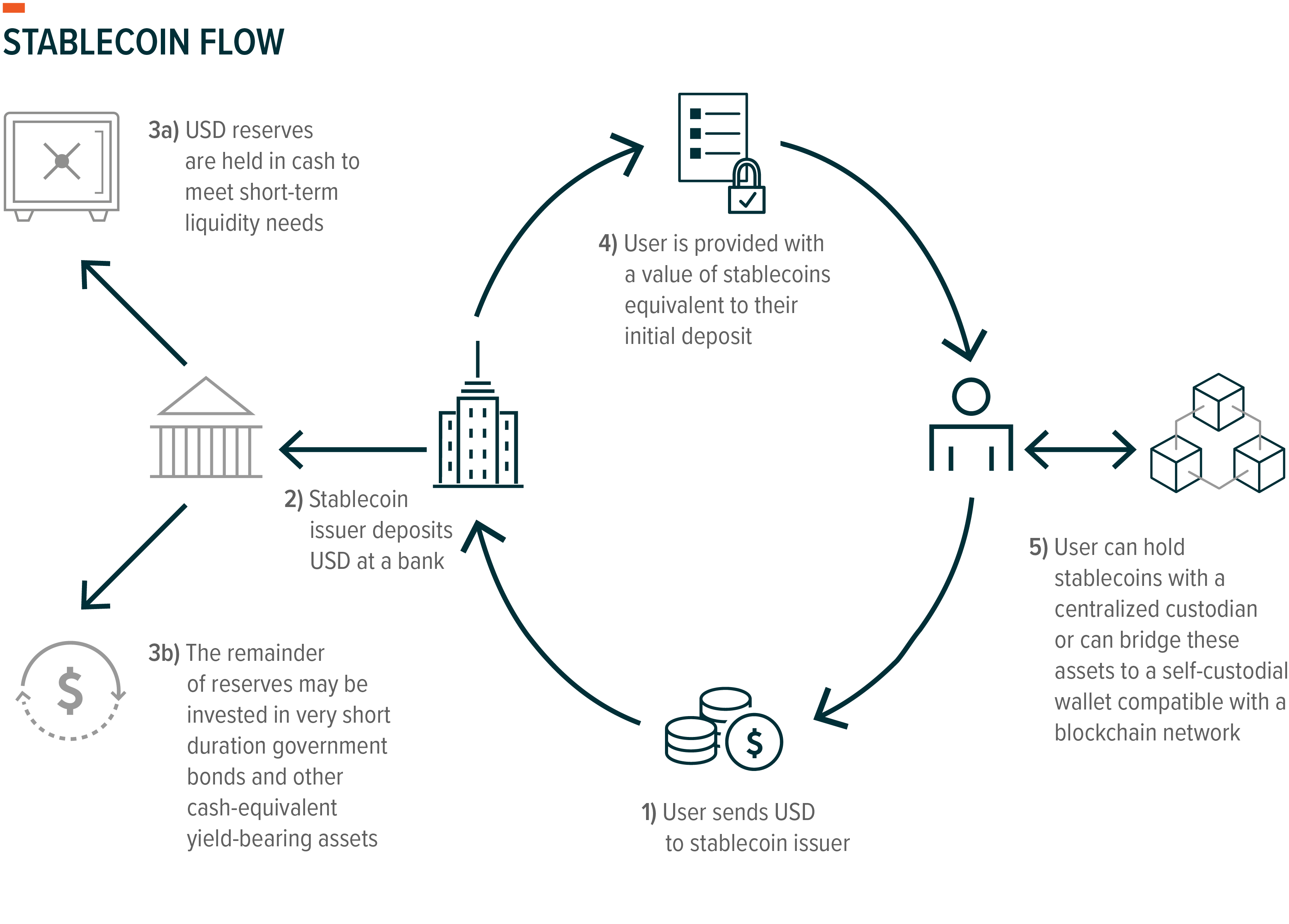
The conversation around stablecoins is moving beyond simple transaction volume. The real story for 2026 is how infrastructure shifts are redefining cross-border settlement. This isn't just about faster transfers; it's about the underlying rails changing how value moves across borders.
Native stablecoins—those issued directly on-chain rather than as wrapped tokens—are becoming the standard for institutional settlement. This shift reduces counterparty risk and increases transparency. For businesses and individuals, this means lower friction and higher confidence in cross-border payments.
McKinsey notes that stablecoins are transforming payments globally, with tailwinds likely to cause a material shift across the industry in 2025 and beyond. This isn't speculation; it's a structural change in how money moves. The infrastructure is being rebuilt to support this new reality.
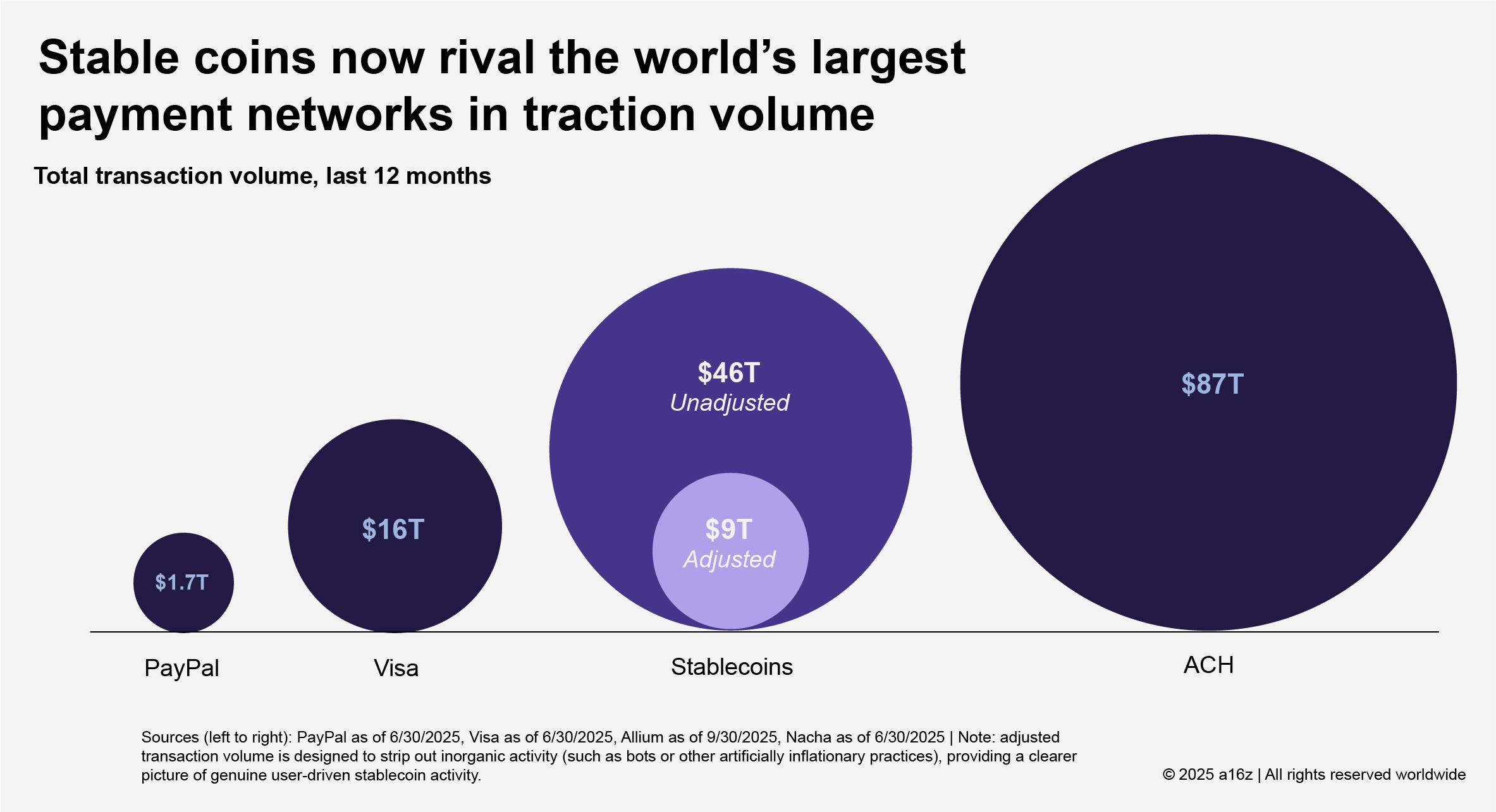
Chainalysis projects adjusted stablecoin volume could reach $719 trillion by 2035. This growth is driven by organic adoption and macro catalysts. The infrastructure shift is enabling this scale, making native stablecoins a critical component of the future financial system.
For those analyzing the landscape, the focus should be on the underlying infrastructure. Which chains are supporting native issuance? How are regulatory frameworks adapting? These are the questions that will define the next phase of stablecoin adoption.
The shift toward native stablecoins is not just a technological upgrade; it's a fundamental change in the architecture of global finance. Understanding this shift is essential for anyone involved in cross-border payments or digital assets.
Native stablecoin analysis choices that change the plan
Evaluating native stablecoins requires looking past the headline volume figures to the underlying infrastructure mechanics. The market is shifting from speculative trading to utility-driven settlement, a transition documented by McKinsey as a material shift in the payments industry. To navigate this, you must weigh the cost of execution against the security of the settlement layer. The choice of blockchain network dictates the friction you will face in cross-border transactions, influencing everything from finality time to treasury management overhead.
Settlement cost and speed
The most immediate differentiator is the transaction fee, which varies drastically across networks. According to Boston Consulting Group, a native transfer can cost as little as $0.0001 on Aptos or $0.0004 on Polygon. In contrast, Ethereum still commands a minimum of $0.01, though it hosts the majority of the market. For high-volume remittance or micro-payments, these fractions of a cent compound into significant savings. However, lower fees often come with trade-offs in decentralization or finality speeds that must be weighed against your specific use case.
Reserve transparency and compliance
Stablecoins preserve value by being tied to reserves of assets, as defined by Investopedia. The critical analysis lies in the composition of those reserves. Are they held in short-term US Treasuries, commercial paper, or cash deposits? Regulatory scrutiny is tightening around these compositions, making real-time proof of reserves a non-negotiable metric. You should prioritize issuers that publish monthly attestations from independent auditors, ensuring that the peg is backed by liquid, high-quality assets rather than opaque financial instruments.
Liquidity and market depth
Volume projections from Chainalysis suggest adjusted stablecoin volume could reach $719 trillion by 2035, but not all tokens share this liquidity. Deep liquidity ensures that large settlements do not slip the price, which is vital for institutional adoption. When analyzing tradeoffs, look at the order book depth on major exchanges and the ease of on/off-ramping. A token with a strong peg but shallow liquidity poses a hidden risk during market volatility, potentially locking capital or forcing unfavorable exit prices.
| Metric | Low-Cost L2s (e.g., Polygon) | Established Chains (e.g., Ethereum) | Emerging Networks (e.g., Aptos) |
|---|---|---|---|
| Avg. Transaction Fee | <$0.01 | $1.00 - $10.00+ | <$0.001 |
| Settlement Finality | Seconds | Minutes (12-15 min) | Seconds |
| Reserve Transparency | Varies by Issuer | High (Major Issuers) | |
| Liquidity Depth | Deep on Major Pairs | Deepest Market | Moderate to Low |
| Regulatory Scrutiny | High | Very High | Lower (Current) |
These metrics form the baseline for any native stablecoin analysis. The infrastructure is maturing, but the tradeoffs remain distinct. Low-cost networks offer speed and efficiency but may lack the liquidity depth for massive institutional flows. Established chains provide security and deep markets at a higher cost. Emerging networks offer the lowest fees but carry higher regulatory and liquidity risks. Your selection should align with whether your priority is minimizing friction, maximizing security, or accessing new market efficiencies.
Choose the next step
Native Stablecoin Analysis works best as a clear sequence: define the constraint, compare the realistic options, test the tradeoff, and choose the path with the fewest hidden costs. That order keeps the advice usable instead of decorative. After each step, pause long enough to check whether the recommendation still fits the reader's actual situation. If it depends on perfect timing, unusual access, or a best-case budget, include a simpler fallback.
Avoid the weak options
Use this section to make the Native Stablecoin Analysis decision easier to compare in real life, not just on paper. Start with the reader's actual constraint, then separate must-have requirements from details that are merely nice to have. A practical choice should survive normal use, maintenance, timing, and budget. If a recommendation only works in an ideal situation, call that out plainly and give the reader a fallback path.
The simplest way to use this section is to write down the must-have criteria first, then compare each option against those criteria before weighing nice-to-have features.
Native stablecoin analysis: what to check next
Stablecoins dominate blockchain settlement activity, accounting for approximately 60–80% of all on-chain value transfers. This dominance is driven by their ability to bridge traditional fiat reserves with decentralized efficiency. Below, we address the practical concerns surrounding infrastructure shifts and cross-border settlements in 2026.
For a visual representation of current market dynamics, refer to the technical chart below. This data reflects the real-time volatility and trading volume that underpins stablecoin utility in the current financial landscape.
Helpful gear
Use these product recommendations as a starting point, then choose the size, material, and price point that fit how you actually use the gear.

As an Amazon Associate, we may earn from qualifying purchases.
No comments yet. Be the first to share your thoughts!