Defining your native stablecoin strategy
A native stablecoin strategy shifts your focus from treating crypto as a speculative asset to using it as a settlement layer. This approach requires building infrastructure that supports real-time settlement while managing the unique risks of on-chain transactions. The goal is to integrate stablecoin-native payments directly into your applications, connecting your code to global rails without relying on pre-funded wallets or complex key management.
Start by mapping your current payout flows. Identify which transactions can be settled instantly on-chain versus those that require traditional banking rails. For stablecoin payouts, consider enabling users to create a wallet at the point of withdrawal. This improves adoption among non-crypto native users by removing the friction of upfront onboarding.
Next, evaluate your risk exposure. Native strategies require robust compliance checks and real-time monitoring. Use provider-backed widgets to track the performance of the stablecoins you intend to use, ensuring liquidity and stability before integration.
Finally, test your integration with small transactions. Verify that settlement times match your expectations and that your backend can handle the asynchronous nature of blockchain confirmations. This practical testing phase is critical before scaling to larger volumes.
Native stablecoin strategy choices that change the plan
Building a stablecoin infrastructure requires balancing speed, cost, and regulatory compliance. There is no single best approach; the right choice depends on your volume, target regions, and existing banking relationships. Evaluate these factors to determine which settlement layer fits your operational needs.
| Feature | Direct Rails (Visa/Stripe) | Self-Custody Wallets | Bank Partnership Model |
|---|---|---|---|
| Settlement Speed | Near-instant (T+0) | Variable (Network dependent) | Slow (T+1 or T+2) |
| User Friction | Low (Card-like UX) | High (Wallet creation) | Medium (Account linking) |
| Cost Structure | Higher per-transaction fees | Low (Network gas only) | Negotiated flat rates |
| Compliance Burden | Issuer-managed | Full user responsibility | Shared liability |
| Best For | High volume, low AOV | Crypto-native audiences | Enterprise/Whale clients |
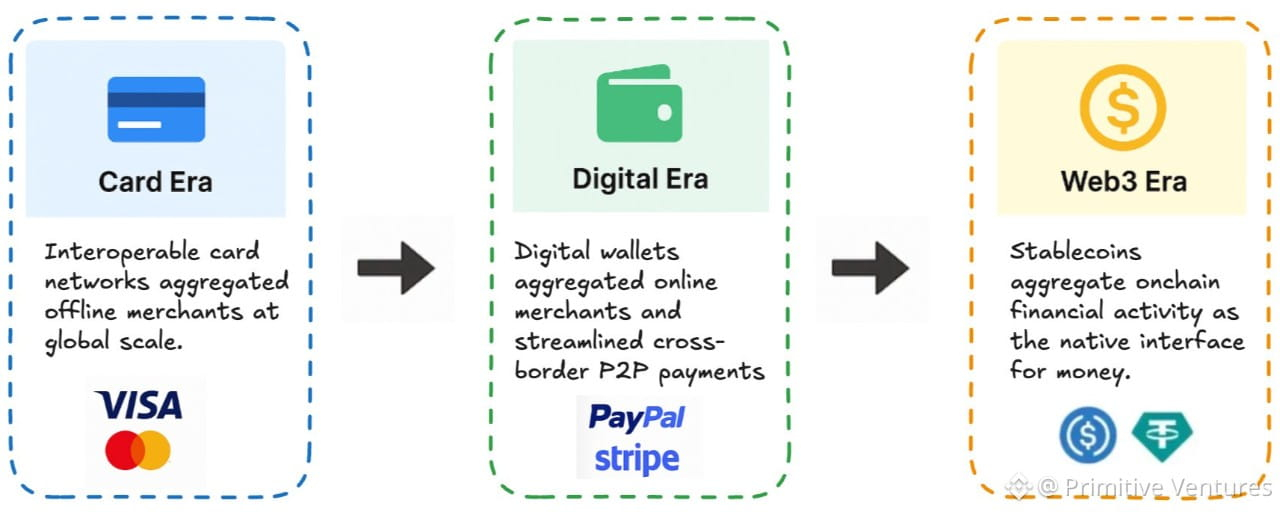
Direct rails integrate stablecoin payments directly into existing applications. Providers like Visa allow developers to connect code to global rails without managing pre-funded wallets or complex key management. This reduces friction for users who prefer card-like experiences but comes with higher transaction fees. It is ideal for high-volume, low-average-order-value scenarios where conversion rate matters more than margin.
Self-custody wallets offer the lowest transaction costs because you only pay network gas fees. However, the user experience is a significant barrier. Non-crypto-native users often abandon checkout flows when asked to create or connect a wallet. This model works best for audiences already familiar with digital asset management or for high-value transactions where fee savings outweigh onboarding friction.
Bank partnerships provide a hybrid approach. Strategic partnerships with stablecoin issuers allow traditional banks to stay connected to digital rails while maintaining regulatory oversight. This model suits enterprise clients or cross-border remittances where compliance and audit trails are paramount. Settlement is slower than direct rails, but the trust factor is higher for institutional users.
Before finalizing your strategy, verify the stability and liquidity of the chosen stablecoin. Use a provider-backed chart to monitor real-time performance against major fiat pairs. Avoid static price snapshots, as they do not reflect current market conditions or potential de-pegging risks during high volatility.
Choose the next step
Native Stablecoin Strategy works best as a clear sequence: define the constraint, compare the realistic options, test the tradeoff, and choose the path with the fewest hidden costs. That order keeps the advice usable instead of decorative. After each step, pause long enough to check whether the recommendation still fits the reader's actual situation. If it depends on perfect timing, unusual access, or a best-case budget, include a simpler fallback.

Spotting Weak Stablecoin Infrastructure
Many platforms market "native" stablecoin capabilities while relying on legacy banking rails that introduce settlement delays. This creates a false sense of speed. If your payout infrastructure still requires pre-funded wallets or manual reconciliation, it fails the real-time test.
Common Mistakes to Avoid
The most frequent error is assuming API integration equals instant settlement. Visa’s recent stablecoin solutions emphasize connecting code to global rails without pre-funded wallets to bypass these bottlenecks. If your provider requires you to hold balances in advance, you are not truly native.
Another trap is ignoring user onboarding friction. Forcing users to create wallets far in advance of withdrawal reduces adoption. The better approach is enabling wallet creation at the point of withdrawal, allowing non-crypto natives to participate without prior setup.
Proof Checks
Before committing to a provider, verify their settlement finality. Ask for documentation showing how they handle network congestion. If they cannot guarantee immediate finality during peak hours, their infrastructure is likely weak. Stick to providers with transparent, official documentation on their settlement layers.
Native stablecoin strategy: what to check next
Before committing capital or infrastructure to a native stablecoin model, teams need to address the practical friction points that separate pilot projects from scalable operations. The following answers address the most common operational, regulatory, and technical objections raised during 2025-2026 infrastructure upgrades.
These answers reflect the current operational reality for 2026 infrastructure upgrades. For specific market data on stablecoin velocity, refer to the technical charts below.
Helpful gear
Use these product recommendations as a starting point, then choose the size, material, and price point that fit how you actually use the gear.



As an Amazon Associate, we may earn from qualifying purchases.
No comments yet. Be the first to share your thoughts!