Defining the Native Stablecoin Strategy
A native stablecoin strategy treats stablecoins not as a speculative asset class, but as the underlying settlement layer for payments. This approach shifts focus from trading volatility to leveraging real-time, 24/7 settlement capabilities. The goal is to reduce friction in cross-border transactions and improve capital efficiency for businesses and consumers alike.
The core of this strategy lies in integration. Rather than treating stablecoins as an afterthought, organizations build them into the core financial infrastructure. This means enabling users to create wallets at the point of withdrawal or payment, lowering the barrier to entry for non-crypto native users. By embedding stablecoin rails directly into existing workflows, businesses can offer faster, cheaper cross-border payments, particularly in remittance corridors where traditional banking systems are slow and costly.
This shift requires a careful balance of compliance and user experience. The strategy must account for regulatory scrutiny, particularly from traditional banking institutions that view stablecoins as a competitive threat. However, the potential for improved payment efficiency and global financial inclusion remains a compelling driver for adoption. Organizations must navigate these regulatory landscapes while ensuring that their stablecoin offerings are robust, secure, and truly beneficial to the end-user.
Native stablecoin strategy choices that change the plan
Choosing a stablecoin strategy requires balancing speed, cost, and regulatory exposure. There is no single best option for every use case. The right choice depends on whether you prioritize finality, user accessibility, or yield generation.
The following comparison outlines the primary tradeoffs between the dominant stablecoin architectures used in global finance today.
| Type | Settlement | Cost | Primary Risk |
|---|---|---|---|
| USD-Backed (USDC/USDT) | Near-instant | Low | Regulatory/Reserve transparency |
| Central Bank Digital Currency | Real-time | Minimal | Privacy/Adoption inertia |
| Crypto-Backed (DAI) | 10-30s | Moderate | Smart contract/Over-collateralization |
| Tokenized Cash | 1-3 days | High | Legacy bridge failure |
USD-Backed Stablecoins offer the liquidity and familiarity needed for mass adoption. They settle near-instantly with low fees, making them ideal for cross-border remittances and B2B payments. However, they carry regulatory risk. Users must trust the issuer’s reserve transparency and face potential freezing of assets if sanctions or compliance flags are triggered.
Tokenized Cash and Legacy Bridges provide direct exposure to traditional banking rails. While they offer regulatory certainty through existing banking licenses, they suffer from slow settlement times (T+1 or T+2) and higher transaction costs. These models are generally unsuitable for real-time commerce but remain relevant for institutional treasury management.
Crypto-Backed Stablecoins like DAI operate on decentralized protocols. They offer censorship resistance and global accessibility but require users to manage complex wallet infrastructure. The primary risks here are smart contract vulnerabilities and the volatility of the underlying collateral assets, which can trigger liquidation events during market stress.
Key considerations for implementation
When building your strategy, focus on the end-user experience. Enabling users to create wallets at the point of withdrawal improves adoption among non-crypto native users. This reduces friction significantly compared to requiring upfront wallet setup.
Consider the geographic context. In regions with high inflation or limited banking access, stablecoins serve as a critical store of value. In developed markets, they are primarily a payment efficiency tool. Align your choice with the specific financial behaviors of your target audience.
Choose the next step for your stablecoin strategy
Turning research into a practical decision framework requires moving from abstract benefits to concrete implementation. The shift toward native stablecoins is not just about faster settlements; it is about restructuring how your organization handles liquidity, compliance, and user onboarding. Use this step-by-step guide to determine the right path for your specific infrastructure and market needs.
1. Define the settlement layer
Start by identifying where the friction lies in your current payment rails. If your primary pain point is cross-border latency or high remittance fees, a stablecoin strategy focused on interoperability with traditional banking rails is likely your best entry point. The goal is to replace slow, multi-day ACH or wire transfers with real-time settlement. This step requires auditing your current transaction volumes to justify the infrastructure change.
2. Select the stablecoin type
Not all stablecoins are built for the same use case. For B2B payments, regulatory-compliant fiat-backed tokens like USDC or USDT offer the lowest risk and highest merchant acceptance. For consumer-facing applications, consider whether you need a programmable stablecoin that supports smart contract logic for automated escrow or conditional payments. The choice here dictates your entire tech stack, from custody solutions to wallet integration.
3. Build the user onboarding flow
Adoption fails when the crypto friction is too high for non-native users. Instead of forcing users to pre-configure wallets, implement a "wallet-on-ramp" strategy. Allow users to create a custodial wallet at the point of withdrawal or deposit, abstracting the complexity of private keys and seed phrases. This approach mirrors the ease of traditional fintech apps while leveraging the speed of blockchain settlement.
4. Establish compliance and audit trails
Real-time settlement does not mean real-time anonymity. Your strategy must include robust KYC/AML checks integrated into the transaction flow. Use off-chain identity verification for on-chain transactions to ensure regulatory compliance without slowing down the user experience. This is critical for maintaining partnerships with traditional financial institutions that are increasingly cautious about stablecoin exposure.
5. Test with a limited pilot
Before a full-scale rollout, run a pilot program with a small subset of transactions. Monitor gas fees, settlement times, and user drop-off rates during the onboarding process. This data will help you refine your smart contract logic and user interface. Avoid over-engineering the initial version; focus on reliability and clarity.
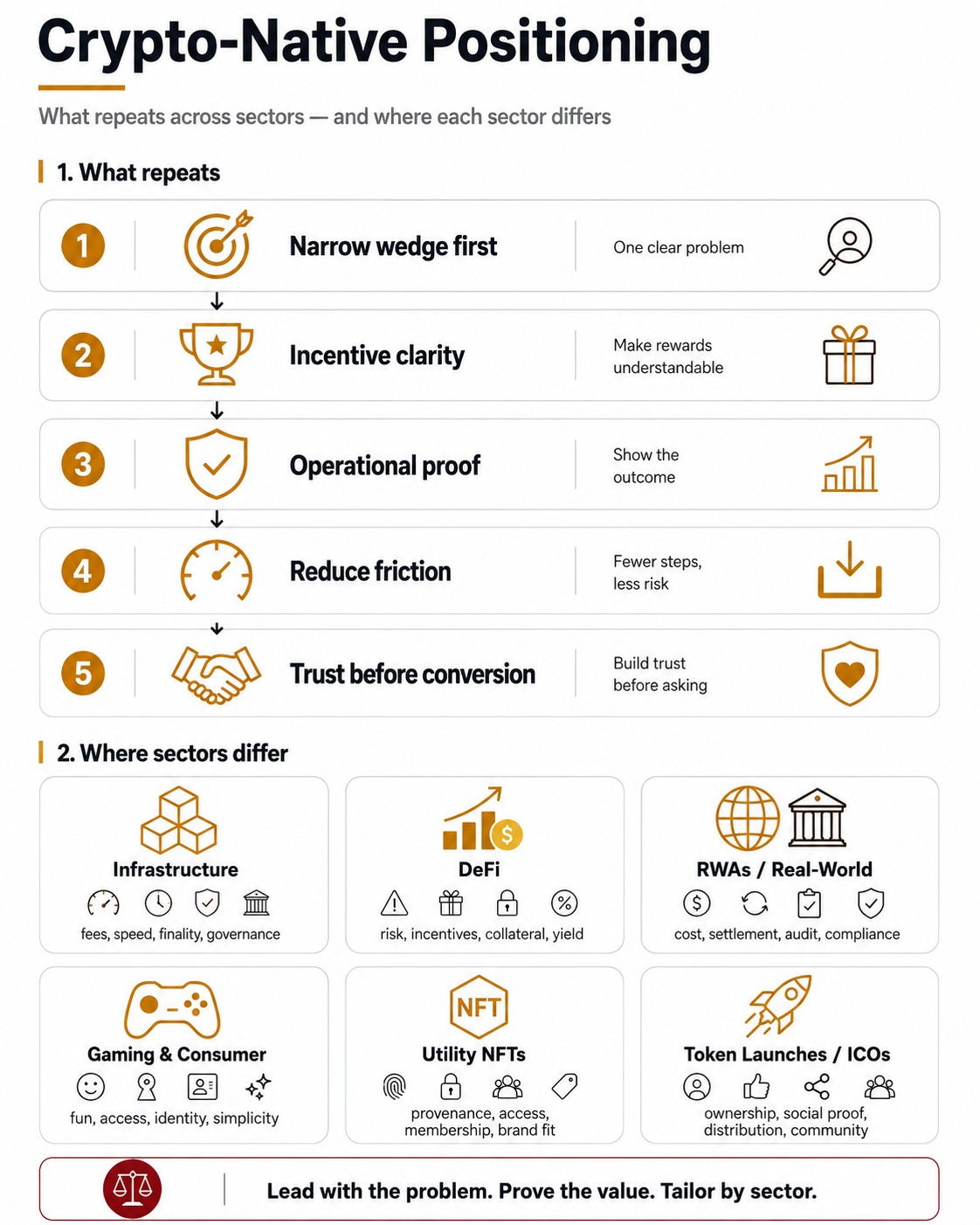
Identify where friction exists in current payment rails. If cross-border latency is the main issue, prioritize interoperability with traditional banking systems to replace slow ACH transfers with real-time settlement.

Choose between fiat-backed tokens for B2B stability and programmable stablecoins for consumer applications requiring smart contract logic. Your choice dictates the custody and wallet integration stack.
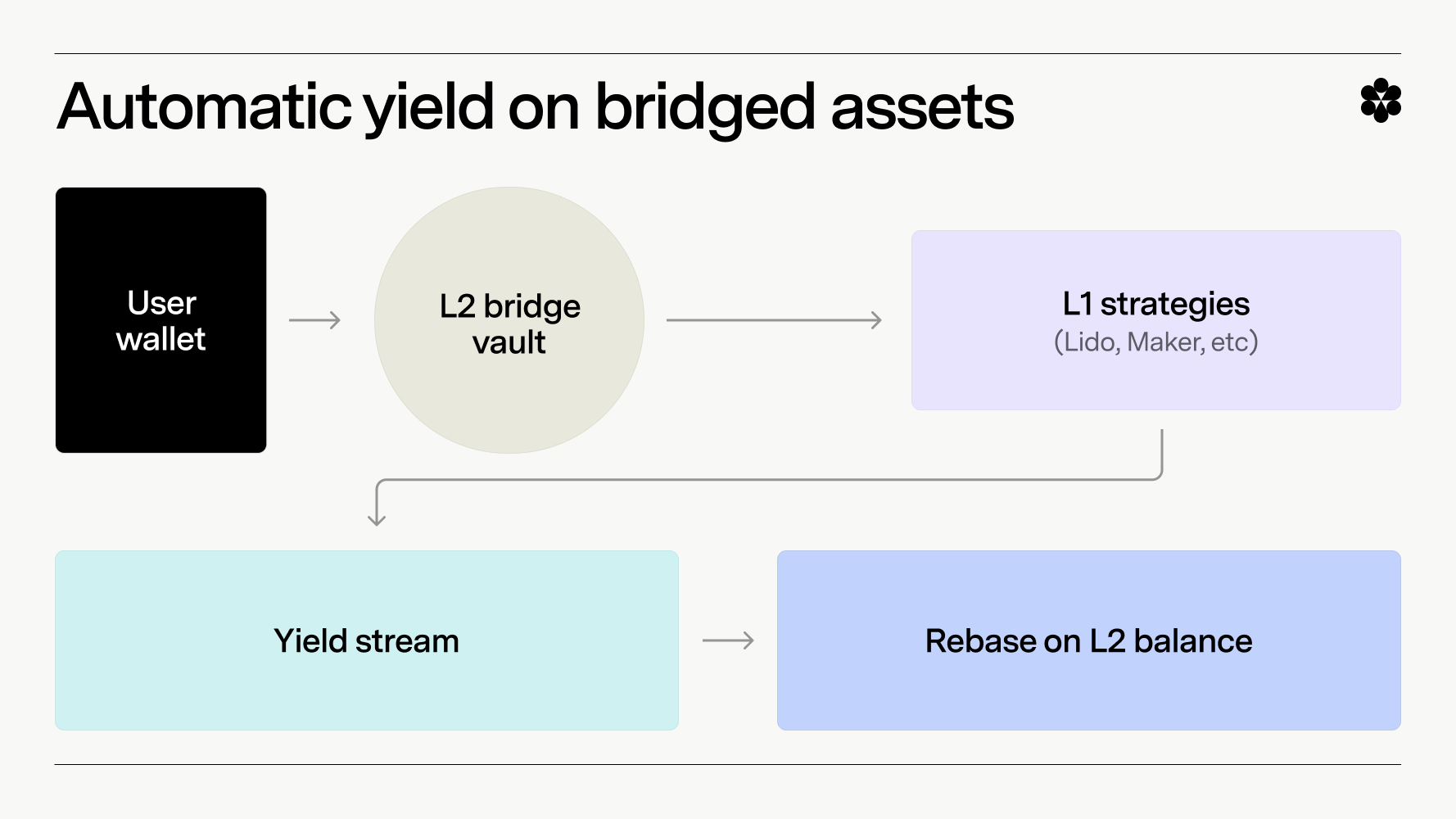
Implement a wallet-on-ramp strategy. Allow users to create custodial wallets at the point of withdrawal to abstract private key complexity, mirroring the ease of traditional fintech apps.
Integrate off-chain identity verification (KYC/AML) into the transaction flow. This ensures regulatory compliance and maintains partnerships with traditional financial institutions wary of stablecoin exposure.

Run a pilot program with a small subset of transactions. Monitor gas fees, settlement times, and user drop-off rates to refine smart contract logic and user interface before full-scale rollout.
Watch out for weak stablecoin options
Not every stablecoin integration is ready for prime time. Before committing to a 2026 infrastructure strategy, you need to spot the traps that drain yield or break compliance. Most failures come from ignoring regulatory friction or overestimating liquidity in niche chains. Here is how to separate viable settlement rails from expensive distractions.
Avoid algorithmic and low-reserve coins
Algorithmic stablecoins lack the hard collateral backing required for institutional trust. Relying on them for payroll or B2B settlement introduces unacceptable de-peg risk. Stick to coins with transparent, daily attestations of reserves. If a project cannot provide a real-time proof-of-reserves report from a major auditor, it is not a settlement asset; it is a speculative token.
Skip chains with poor fiat on-ramps
A stablecoin is only as useful as its ability to enter and exit the real economy. Integrating a coin on a niche L2 with no direct USD on-ramp creates operational drag. Your users will face high slippage and long wait times when cashing out. Prioritize networks where major exchanges and payment processors offer direct fiat gateways. This reduces friction and keeps your treasury liquid.
Don’t ignore regulatory classification
The IMF notes that stablecoins can improve global finance, but only if they meet strict standards. Banks often resist stablecoins because they fear AML/KYC gaps. If your chosen coin operates in a regulatory gray zone, you risk sudden de-banking or frozen assets. Choose coins that have explicitly engaged with regulators and obtained necessary licenses in your target markets. This isn’t just about compliance; it’s about business continuity.
Beware of hidden settlement fees
Some platforms advertise zero fees but charge hidden spreads or withdrawal minimums. These costs erode margins on small transactions. Always calculate the total cost of ownership, including gas, network fees, and exchange spreads. A coin with slightly higher visibility but lower overall fees is often the better choice for high-volume, low-value settlements.
Native stablecoin strategy: what to check next
Stablecoins operate differently than traditional banking rails, which creates specific operational and regulatory trade-offs. Understanding these mechanics helps teams structure compliant infrastructure and realistic yield strategies.
Helpful gear
Use these product recommendations as a starting point, then choose the size, material, and price point that fit how you actually use the gear.



As an Amazon Associate, we may earn from qualifying purchases.
No comments yet. Be the first to share your thoughts!