Define your native stablecoin strategy
A native stablecoin strategy isn't just about adding another payment rail; it's about restructuring how value moves through your business. The goal is to replace fragmented legacy banking interfaces with direct, programmable settlement layers that reduce friction and cost. This shift requires treating stablecoins not as speculative assets, but as core infrastructure for real-time liquidity.
1. Map your settlement pain points
Start by identifying where traditional fiat rails create bottlenecks. Look for high cross-border fees, settlement delays exceeding T+2, or manual reconciliation processes that drain operational efficiency. These are the areas where native stablecoin infrastructure delivers immediate ROI. If your business relies heavily on international payroll or supplier payments, the savings from bypassing correspondent banks can be substantial.
2. Select the right stablecoin architecture
Not all stablecoins are built for enterprise-grade settlement. You need to evaluate whether to use centralized issuers like USDC or USDT, which offer regulatory clarity and deep liquidity, or explore decentralized alternatives for specific use cases. The choice depends on your risk tolerance and regulatory jurisdiction. For most businesses entering the space, regulated, fiat-backed stablecoins provide the necessary compliance backbone.
3. Integrate with compliant on-ramps
You cannot simply "send" stablecoins without a clear path for users to enter and exit the system. Partner with licensed payment processors that support native stablecoin payouts. As noted by BVNK, enabling users to create wallets at the point of withdrawal significantly improves adoption among non-crypto native users. This frictionless onboarding is critical for mass-market adoption.
4. Implement real-time monitoring
Set up dashboards to track transaction volumes, failure rates, and gas costs in real time. Unlike traditional banking, blockchain transactions are immutable and public. This transparency allows for instant fraud detection and audit trails. However, it also means you must have robust customer support for handling failed transactions or user errors.
5. Test with non-critical flows
Before rolling out stablecoin payments for core revenue, test with low-risk transactions. Use internal vendor payments or employee expense reimbursements as pilot programs. This allows your team to troubleshoot integration issues and understand user behavior without risking significant capital or reputational damage.
Why banks resist stablecoin adoption
The banking sector's hesitation often stems from regulatory uncertainty and the threat to traditional fee structures. Banks profit from cross-border payment margins and settlement delays. Stablecoins disrupt this model by enabling near-instant, low-cost transfers that bypass the correspondent banking network entirely. This displacement of revenue streams creates significant institutional resistance, even as regulatory frameworks slowly evolve to accommodate digital assets.
Common mistakes to avoid
Many businesses fail because they treat stablecoin integration as a simple API update. It requires a fundamental shift in treasury management, compliance training, and customer education. Another common error is ignoring the volatility of the underlying assets if using non-pegged tokens. Always stick to fiat-pegged stablecoins for settlement purposes to avoid balance sheet risk.
Proof checks for implementation
Before going live, verify that your chosen stablecoin issuer has undergone regular attestation audits. Check the reserve composition to ensure it is fully backed by liquid assets. Additionally, confirm that your payment processor supports the specific blockchain network you plan to use, as gas fees and transaction speeds vary significantly between Ethereum, Solana, and Layer 2 solutions.
Native stablecoin strategy choices that change the plan
Choosing a stablecoin strategy requires balancing speed, cost, and regulatory compliance. There is no single best option; the right choice depends on your target geography and settlement volume. You must evaluate infrastructure costs against the need for real-time finality.
Regulatory and Compliance Risks
Regulatory uncertainty remains the primary friction point. Banks often resist stablecoin integration due to anti-money laundering (AML) and know-your-customer (KYC) complexities. Emerging frameworks in the EU (MiCA) and the US provide clearer paths but require strict adherence to reserve auditing. Ignoring these compliance layers can lead to frozen assets or legal penalties.
Settlement Speed and Finality
Traditional banking systems settle in T+1 or T+2 days, while stablecoins offer near-instant finality. This speed reduces counterparty risk and improves cash flow for businesses. However, blockchain congestion can cause temporary delays or spike transaction fees during peak hours. Evaluate the specific blockchain’s throughput to ensure it meets your volume requirements.
Cost Efficiency
Transaction fees vary significantly across networks. Ethereum mainnet fees can be prohibitive for small-value transactions, whereas Layer 2 solutions or alternative L1s like Solana or Polygon offer lower costs. Calculate the total cost of ownership, including gas fees, bridge costs, and exchange slippage, to determine true efficiency.
Liquidity and Interoperability
Liquidity depth affects the ability to execute large trades without significant price impact. USDT and USDC dominate global liquidity, but regional stablecoins may offer better local fiat on-ramps. Ensure your chosen stablecoin is supported by the exchanges and wallets your users prefer. Fragmented liquidity can increase operational complexity.
| Stablecoin | Regulatory Status | Settlement Speed | Avg. TX Cost |
|---|---|---|---|
Build a Stablecoin Deployment Strategy
Turning research into a live settlement layer requires moving from theoretical benefits to technical integration. The IMF notes that stablecoins can significantly improve cross-border payments by reducing the latency inherent in traditional banking systems [src-serp-2]. However, speed is only one variable; the infrastructure must also support real-time liquidity and regulatory compliance.
Use this ordered framework to structure your native stablecoin strategy. Each step addresses a critical component of the deployment pipeline, from user onboarding to reserve management.

Identify the blockchain rails that will handle your transactions. Prioritize networks with proven finality and low fees. For a native stablecoin, you must decide whether to issue on an existing L1/L2 or build a dedicated chain. Evaluate the network's developer ecosystem and existing liquidity pools to ensure your asset can settle in real-time without high slippage.
Reduce friction at the point of entry. Research shows that enabling users to create a wallet at the moment of withdrawal improves adoption among non-crypto native users [src-serp-1]. Implement non-custodial wallet creation or account abstraction solutions so users can interact with your stablecoin without managing private keys manually.

Define how your stablecoin is backed and audited. Whether you choose a fully fiat-backed model or a hybrid algorithmic approach, transparency is non-negotiable for institutional trust. Integrate real-time attestation services that can verify reserve ratios on-chain. This allows regulators and users to verify solvency instantly, a key requirement for high-stakes financial applications.

Connect your stablecoin to payment processors and liquidity providers. The goal is to ensure that when a user initiates a transfer, the funds settle immediately. Test the system under peak load to verify that gas fees or network congestion do not delay transactions. Use provider-backed widgets to monitor the asset's performance and liquidity depth during testing.
| Feature | Traditional Banking | Native Stablecoin |
|---|---|---|
| Settlement Time | T+2 days | Real-time |
| Cross-Border Cost | High fees | Low fees |
| Availability | Business hours | 24/7 |
Watch out for weak stablecoin options
Not every stablecoin integration delivers real-time settlement. Some projects rely on opaque reserve structures or slow off-chain bridges that introduce delay and counterparty risk. Before committing infrastructure, audit the underlying mechanics to separate viable settlement layers from speculative tokens.
Banks often resist stablecoins due to regulatory uncertainty and compliance burdens, not technical limitations. This friction can stall adoption if your strategy ignores local banking partnerships or fails to meet anti-money laundering standards. Ensure your chosen asset has clear regulatory standing in your target markets.
Avoid confusing XRP with stablecoins. XRP is a bridge currency designed for liquidity, not a pegged asset. Using it for stable settlements introduces volatility that defeats the purpose of stablecoin infrastructure. Stick to assets with transparent, audited reserves.
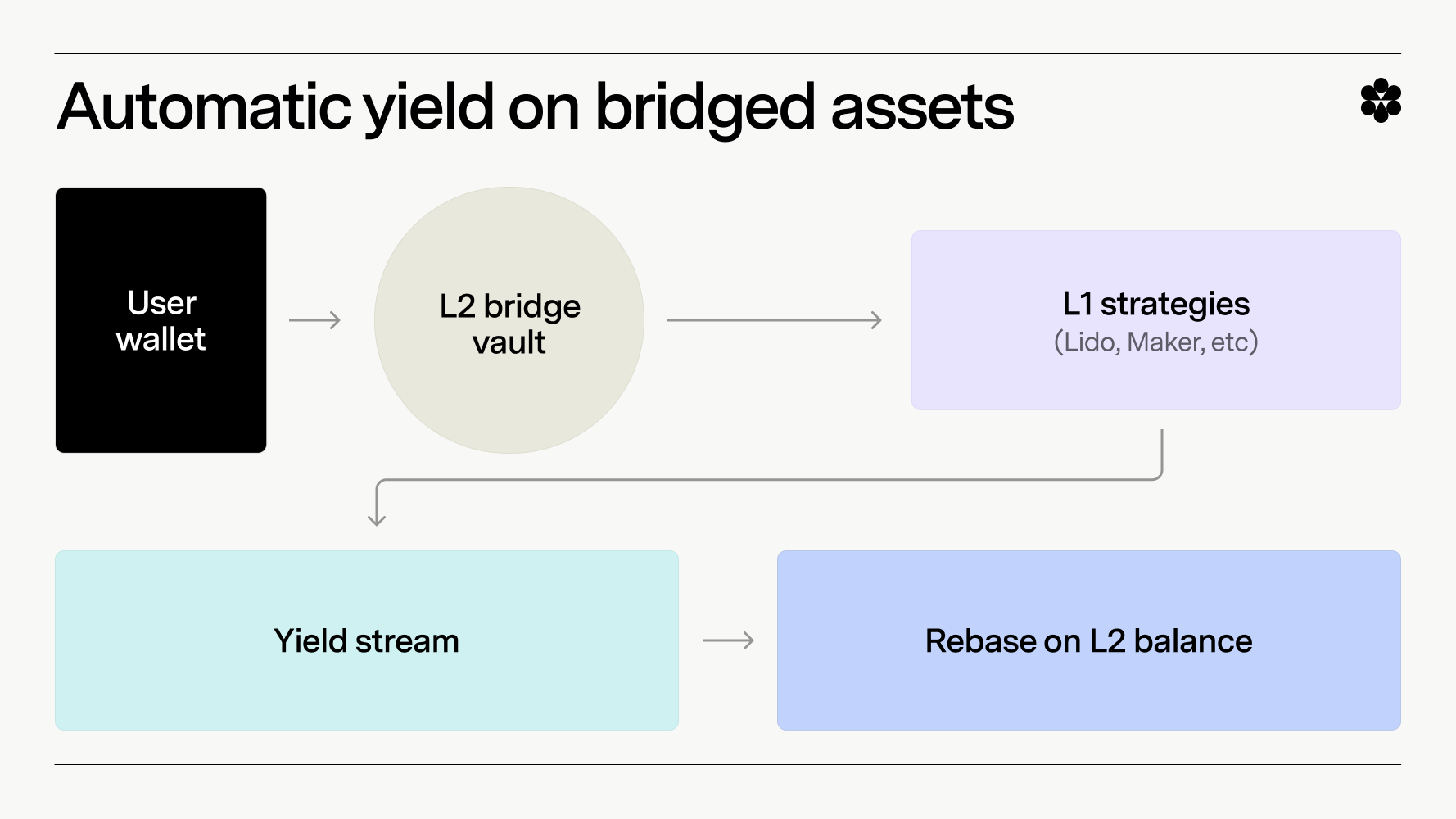
You cannot make money simply by holding stablecoins. They are designed to maintain value, not appreciate. If you seek yield, you are taking on smart contract or issuer risk, not earning a stablecoin feature. Keep your strategy focused on settlement efficiency, not speculation.
Native stablecoin strategy: what to check next
Addressing practical objections helps clarify how native stablecoins fit into your settlement infrastructure. The following answers cover the most common questions about market structure, regulatory friction, and yield mechanics.
Helpful gear
Use these product recommendations as a starting point, then choose the size, material, and price point that fit how you actually use the gear.



As an Amazon Associate, we may earn from qualifying purchases.
No comments yet. Be the first to share your thoughts!